

As the art world becomes increasingly professionalized and digitized, the value of accurate, detailed, and accessible documentation has never been greater. Whether it’s a private collector managing a growing portfolio, a gallery prepping for a fair, or a museum preserving cultural history, cataloging is the bedrock of art stewardship.
However, not every art owner or institution has the time, skillset, or bandwidth to maintain high-standard documentation internally. This is where outsourcing art cataloging and documentation services becomes a strategic, scalable, and cost-effective solution.
More than just a logistical fix, outsourcing enables organizations to elevate their collections to museum-grade standards without building internal infrastructure from scratch.
What Does Outsourcing Art Cataloging Involve?
Outsourcing art cataloging refers to engaging external specialists—typically conservators, archivists, researchers, and digital technicians—to document, organize, and preserve your collection.
A professional cataloging provider will typically offer:
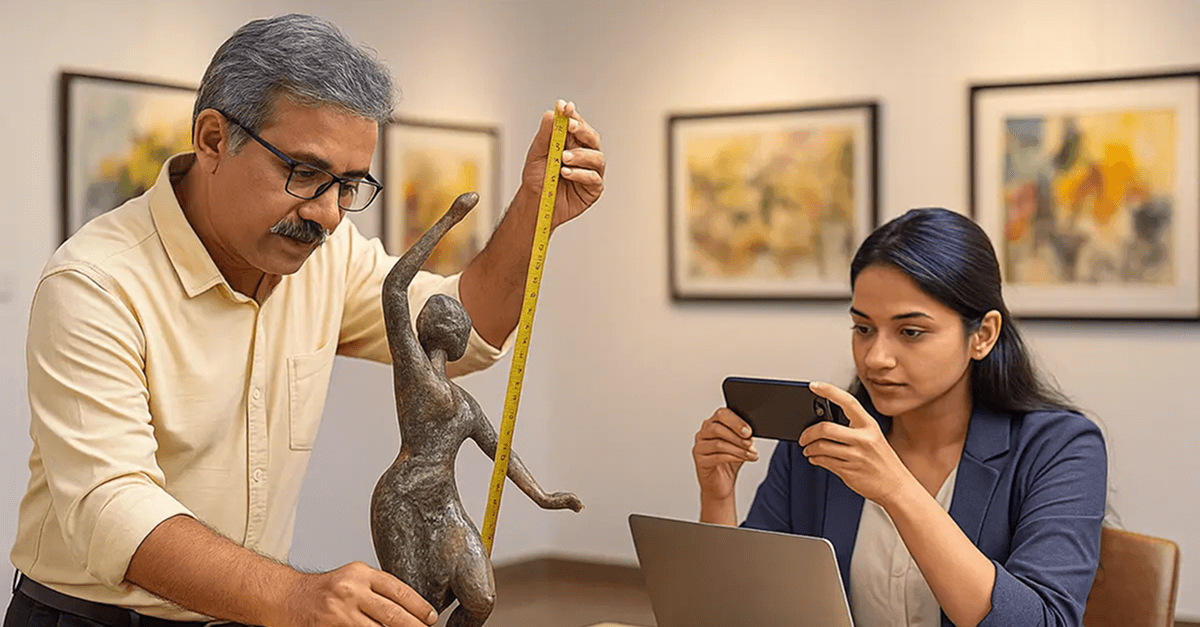
- Inventory Audit: Physical verification and listing of all artworks
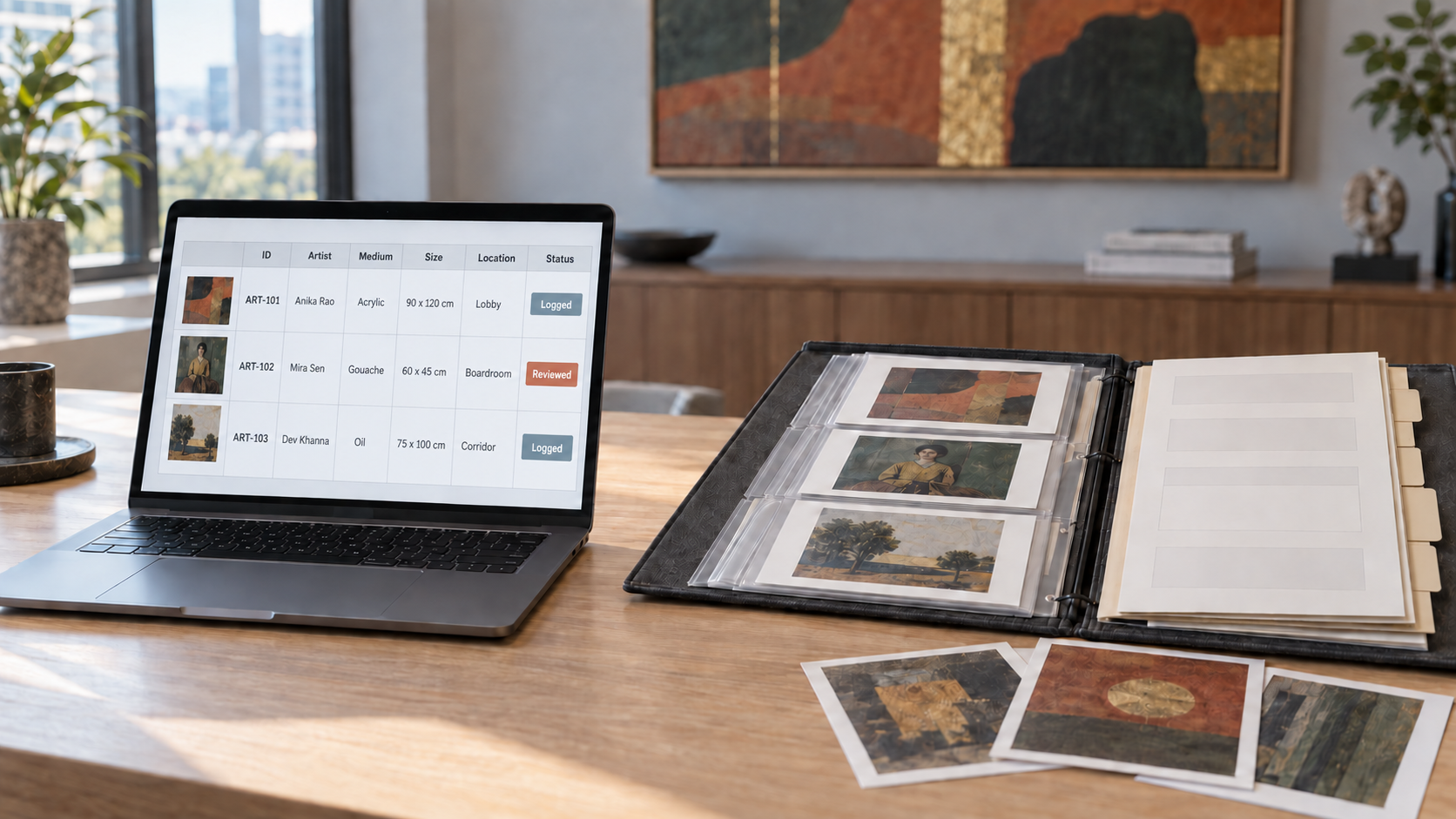
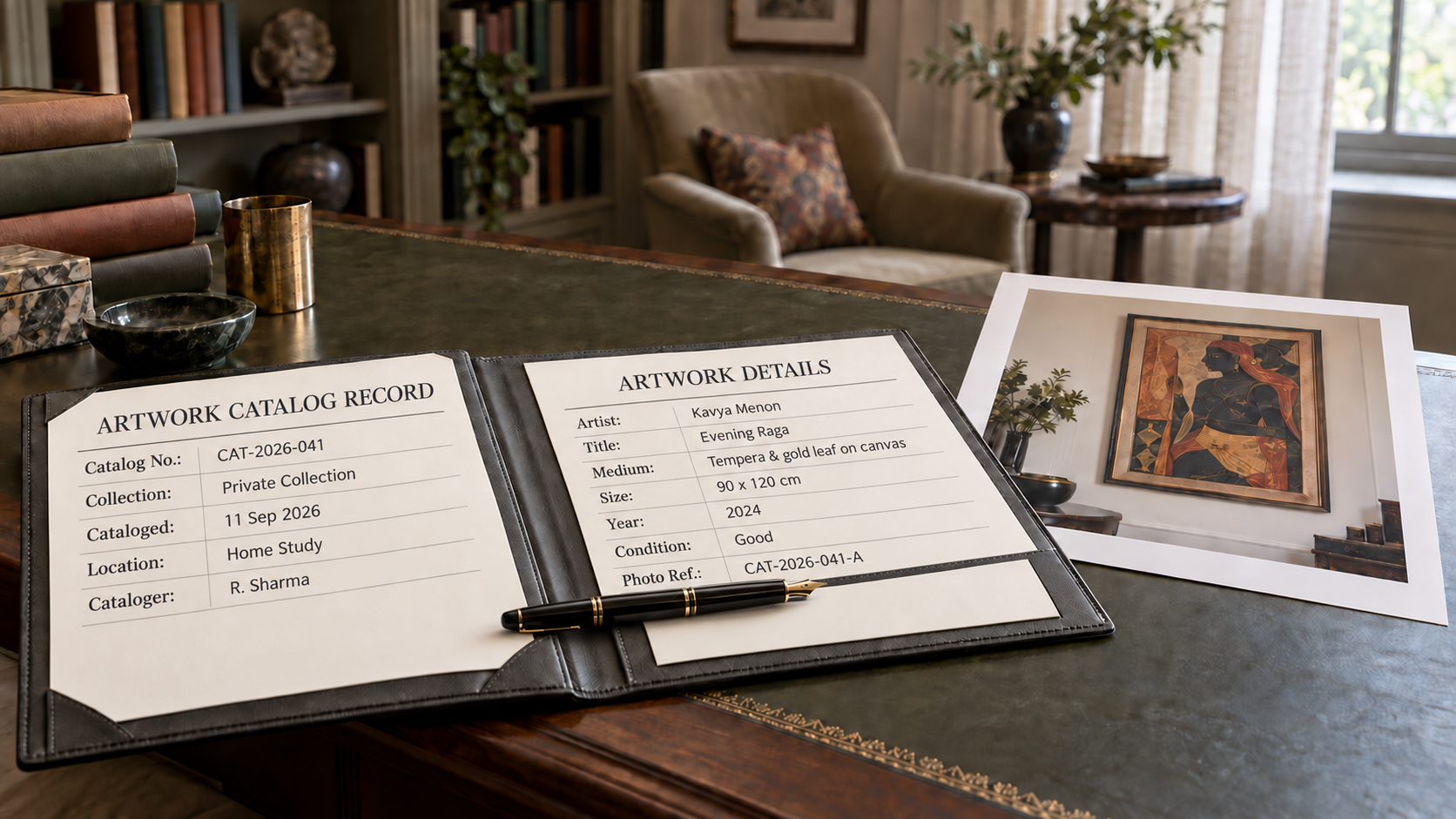
- Metadata Compilation: Titles, artist details, medium, dimensions, provenance
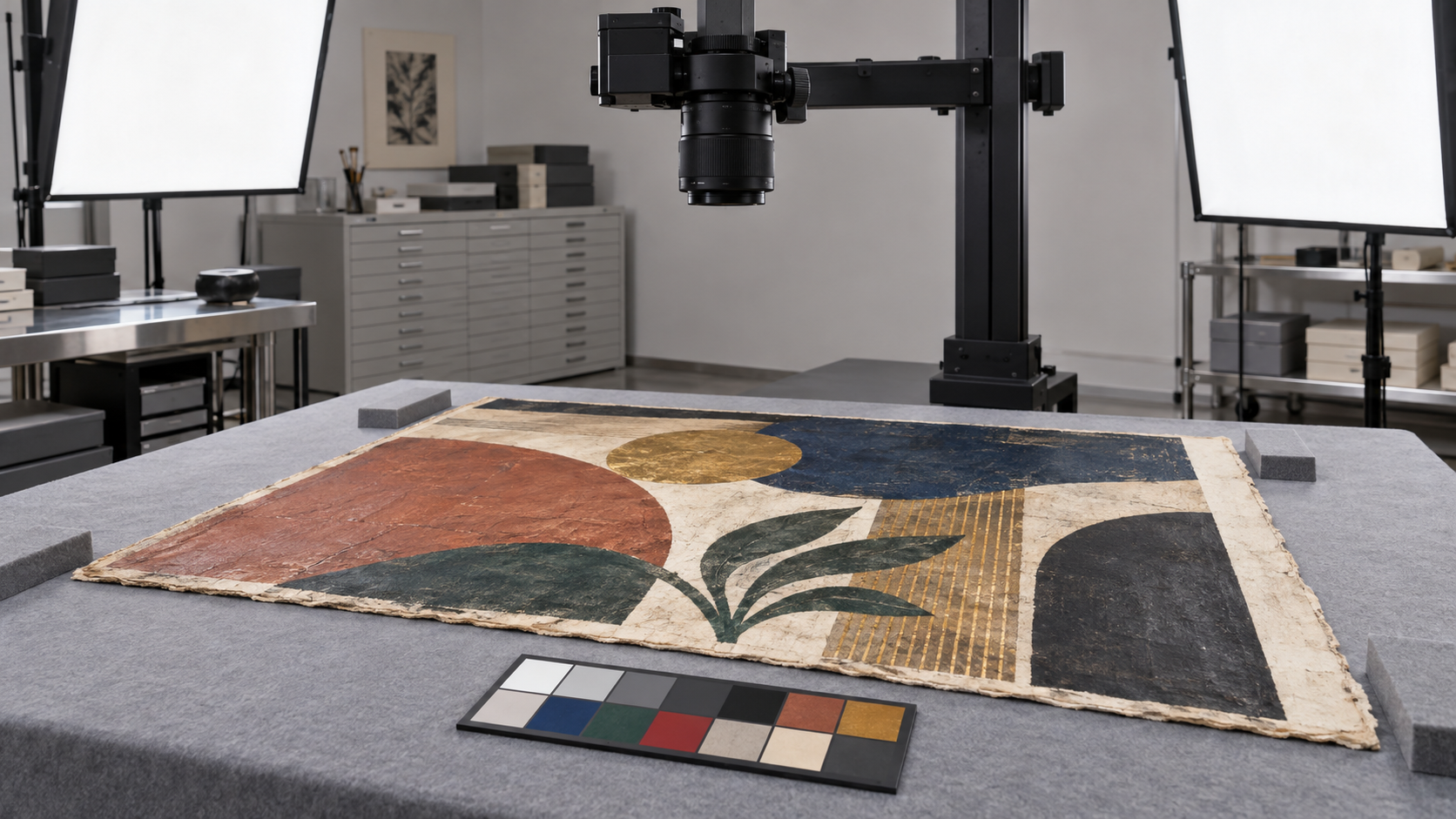
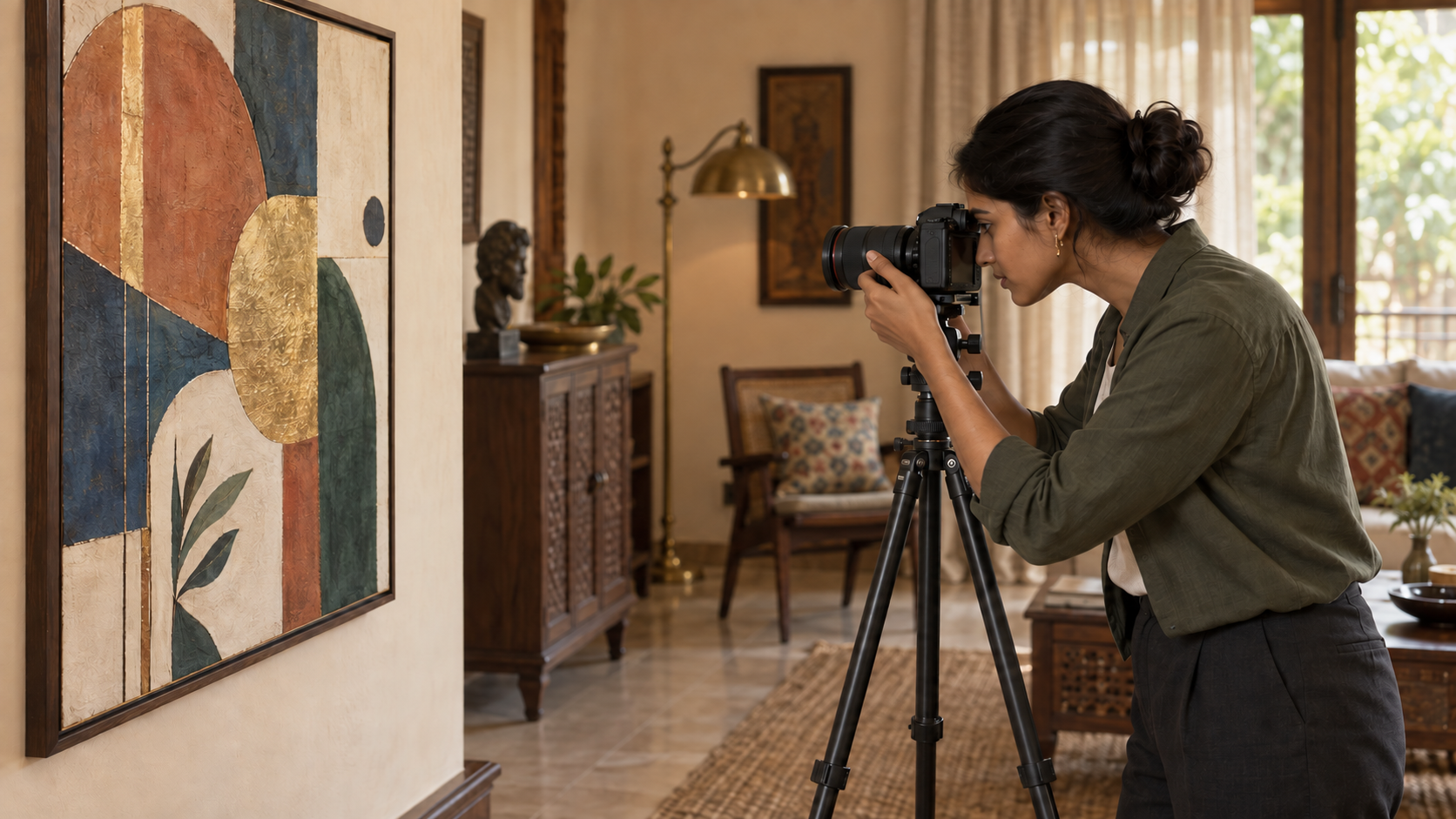
- Photographic Documentation: High-resolution images, including detail shots and condition views
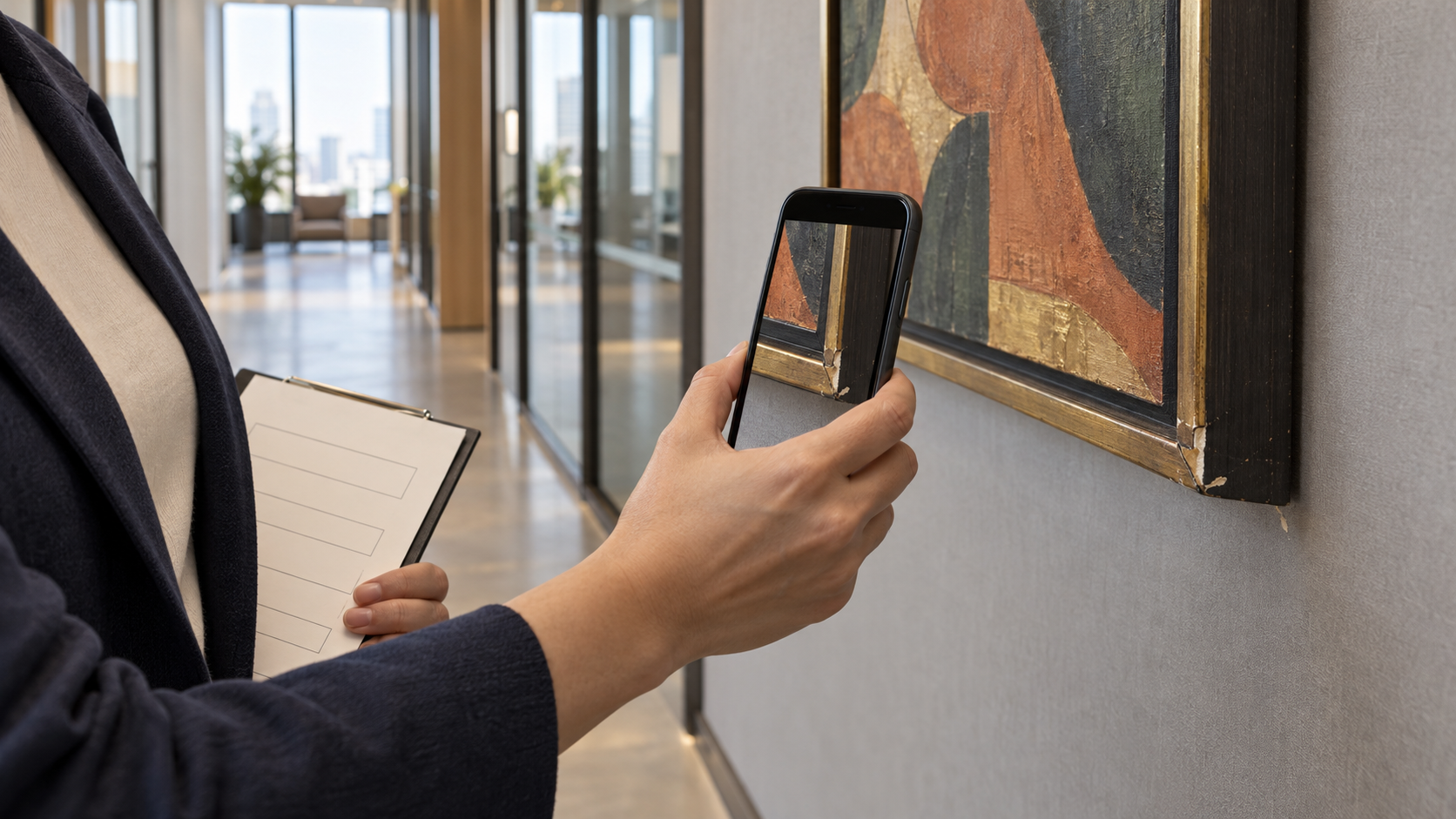
- Condition Reporting: Current state of each work with expert notes
- Provenance and Historical Context: Research and validation of ownership history
- Valuation-ready Documentation: In alignment with insurance or resale needs
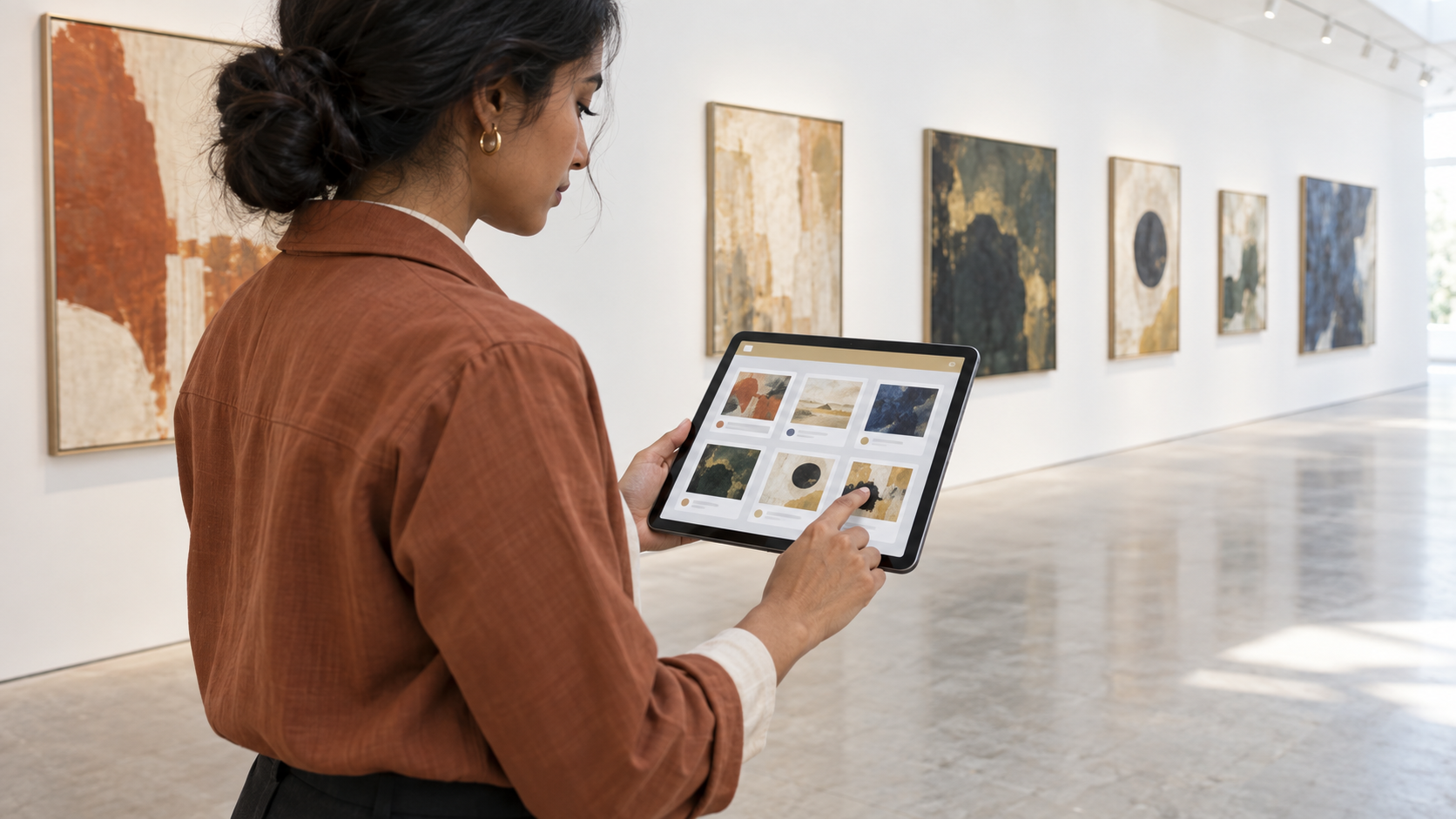
- Digital Archiving: Using cloud-based or on-premise software solutions
- Labeling and Tagging: QR codes, barcodes, or catalog IDs for tracking
By outsourcing this entire process, art owners gain both precision and peace of mind—knowing that their collections are managed with industry best practices and without the burden of internal resource allocation.
Top Reasons to Consider Outsourcing Your Cataloging Needs
Outsourcing isn’t just for large museums or mega-collectors. In fact, most clients who outsource cataloging fall into three categories: collectors with limited time, galleries in transition, or institutions lacking internal expertise.
Here’s why outsourcing makes sense:
Expertise You Can Trust
Cataloging professionals are trained in documentation standards (e.g., SPECTRUM, CDWA) and have domain-specific experience across materials, styles, and historical periods.
Saves Time and Internal Bandwidth
Rather than dedicating weeks or months to data entry, photography, or research, you can continue focusing on curation, sales, or conservation while experts handle the documentation.
Ensures Objectivity and Standardization
External providers use impartial, consistent frameworks that remove bias or inconsistency often found in DIY catalogs.
Access to Specialized Tools
From lighting rigs and archival scanners to cataloging software and valuation networks, providers bring high-end infrastructure you might not otherwise afford or need long-term.
Scalability
Have a 50-piece collection today and expect to grow to 500? Outsourcing allows your cataloging system to evolve seamlessly as your collection expands.
Confidentiality and Discretion
Reputed providers maintain strict confidentiality protocols—an important factor for HNIs, private collections, and estate transfers.
In-House vs. Outsourced Cataloging: A Comparative Look
| Aspect | In-House Approach | Outsourced Services |
| Expertise | Dependent on available staff | Domain specialists with art-world experience |
| Time Investment | High (especially for large collections) | Minimal client-side effort |
| Technology Access | Requires setup of tools/software | Comes with professional-grade equipment/software |
| Scalability | Hard to manage with limited team | Easily scales with collection growth |
| Documentation Quality | Variable depending on skill | High and consistent across pieces |
| Cost Efficiency | Low upfront cost, but time-consuming | Cost-effective at scale, with faster turnarounds |
| Legal/Valuation Ready | May not align with standards | Delivered to insurer or estate planner requirements |
The difference becomes particularly evident for collectors managing legacy transfer, insurance claims, or exhibition loans.
Signs Your Collection or Institution Should Outsource
Not sure if outsourcing is right for you? Here are telltale signs that you should consider professional help:
- Your catalog exists only in spreadsheets or handwritten logs
- There’s no standardized format across artworks
- You struggle to locate documentation or images quickly
- You’re planning a sale, inheritance, or insurance appraisal
- Your team lacks training in art documentation
- You’ve acquired a new set of works and haven’t cataloged them yet
- You want to create a virtual archive or website listing
- You need to digitize a legacy archive or estate collection
If any of these apply, outsourcing can transform your collection from informal to institution-ready.
Challenges Solved by Professional Cataloging Providers
Professional cataloging partners don’t just fill a gap—they solve complex problems. Here’s how:
- Fragmented Records: Consolidate artworks documented across files, devices, or emails into a unified system.
- Missing Provenance: Where possible, researchers assist in tracing history through interviews, gallery records, or auction databases.
- Lack of Photography: Photographers ensure studio-quality images for insurance, display, or digital sharing.
- No Software Infrastructure: Providers offer proprietary or third-party platforms to house your catalog securely.
- Collections in Multiple Locations: Teams can travel to record pieces across storage units, residences, or gallery spaces.
- Need for Confidentiality: Sensitive collections are handled with strict NDAs, encryption, and client-led access controls.
With a trusted provider like TurmericEarth, these pain points are met with structured, customized solutions.
How to Choose the Right Art Cataloging Partner
Here are a few factors to consider when evaluating cataloging partners:
- Track Record: Look for experience with your type of collection—be it modern art, antiquities, folk art, or sculpture.
- Service Scope: Ensure they offer end-to-end services including condition reporting, valuation coordination, and digital archiving.
- Reference Standards: Ask whether their documentation aligns with SPECTRUM, CDWA, or other recognized frameworks.
- Confidentiality Measures: Verify their NDA protocols, storage methods, and data backup systems.
- Customizability: Do they adapt to your needs—hybrid cataloging, multilingual labels, estate-ready reports, etc.?
- Ease of Collaboration: A good partner provides regular updates, access dashboards, and prompt communication.
- Post-Cataloging Support: Will they help you update the catalog over time or train your team?
Choosing the right partner is not about offloading—it’s about elevating your collection.
How TurmericEarth Delivers End-to-End Cataloging Solutions
At TurmericEarth, we’ve helped private collectors, corporate institutions, and foundations across India bring order and clarity to their art collections.
Here’s what sets our Art Cataloging Services apart:
- Custom On-Site Documentation: Our team travels to your location, minimizing art movement risks.
- Specialized Teams: Researchers, catalogers, art handlers, and photographers—each expert in their domain.
- Museum-Grade Protocols: We follow globally recognized cataloging and archiving standards.
- Digital Platforms: We offer both cloud and local solutions, mobile-friendly, searchable, and secure.
- Legacy & Estate Support: Including reports for legal transfers, valuations, and family settlements.
- Confidential and White-Labeled: We act as an invisible partner, allowing you to retain ownership of presentation and brand.
- Update and Maintenance Plans: Optional services to help keep your records current.
Whether you’re cataloging 25 pieces or 2,500, we tailor our services to meet your goals—discreetly, professionally, and efficiently.
Checklist Before You Begin the Outsourcing Process
- List the artworks you want cataloged (or request an audit)
- Gather existing paperwork, photographs, or invoices
- Set goals: insurance, estate, exhibition, or digital archive
- Decide on digital vs. physical outputs
- Identify internal stakeholders to collaborate with the provider
- Choose a provider with relevant domain experience
- Clarify confidentiality, turnaround time, and post-project access
- Review sample reports and references before signing a contract
- Schedule and plan for on-site visits if needed
- Ensure your cataloging aligns with long-term collection strategy
Strategic Value of Outsourcing Art Documentation
In the modern art ecosystem, documentation is no longer a luxury—it’s a necessity. But doing it well takes time, training, and tools that most collectors or institutions don’t have in-house. Outsourcing art cataloging and documentation services offers a smart, scalable path to professionalism—one that reduces risk, preserves legacy, and unlocks future possibilities.
Whether you’re building a legacy, preparing for sale, or simply organizing your holdings, let experts carry the weight.
Partner with TurmericEarth to bring global standards and personal care to your art collection. Learn more about our Art Cataloging Services and discover the peace of mind that comes with proper documentation.