

Museums are the custodians of human history, culture, and creativity. Whether housing ancient sculptures, rare manuscripts, folk textiles, or modern paintings, museums serve as public archives that educate, inspire, and preserve knowledge across generations.
But behind every exhibit lies an intricate system of organization, verification, and preservation. As collections grow, change hands, or move between galleries and exhibitions, the need for comprehensive art documentation and cataloging for museums becomes central—not optional.
In India, where many museums are transitioning from colonial archives to modern institutions, cataloging is not just about inventory—it is about safeguarding cultural identity, enabling research, and engaging global audiences. The question is no longer should museums invest in documentation, but how soon and how well.
What is Museum-Grade Art Documentation?
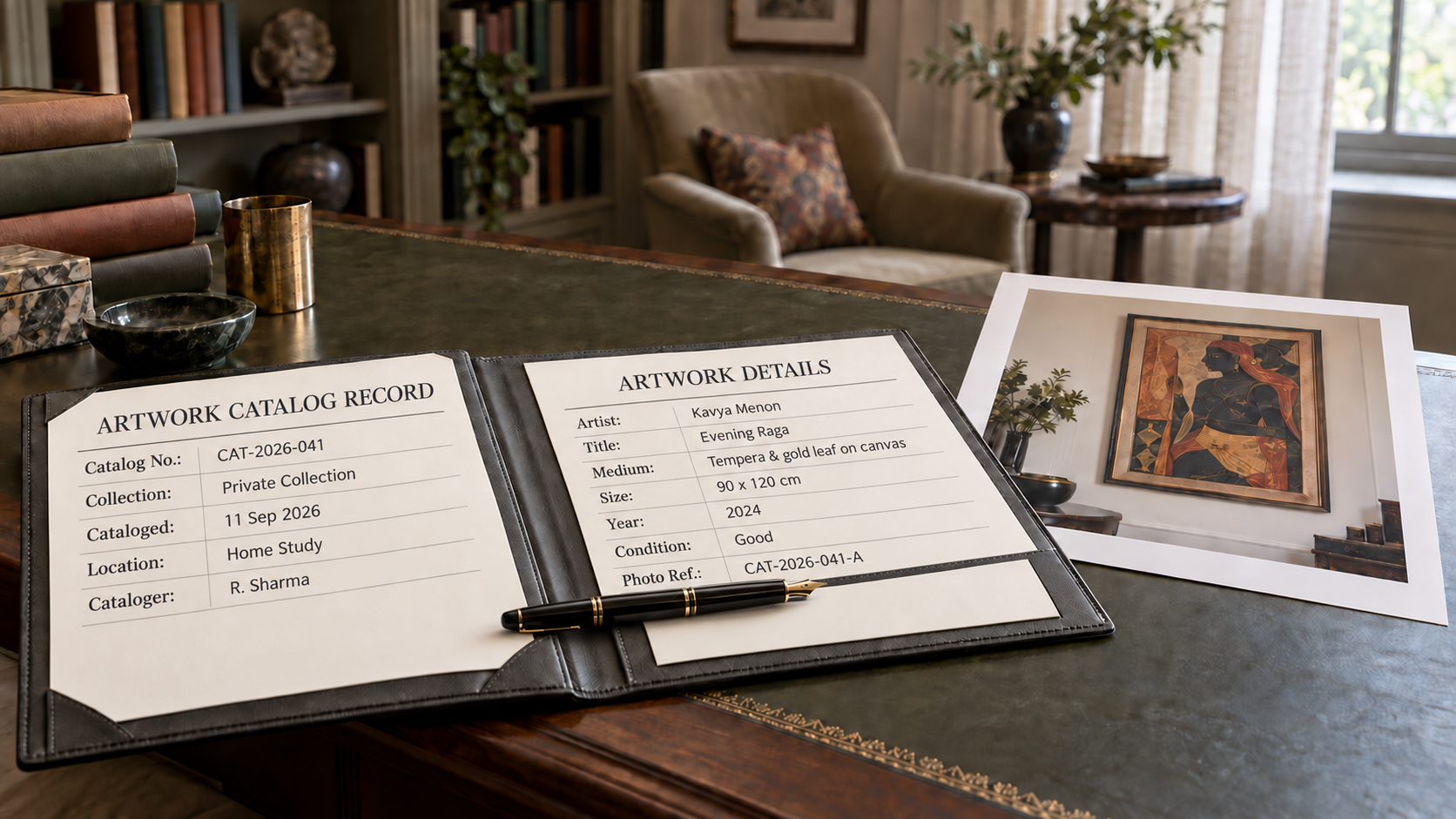
Museum-grade documentation refers to a standardized and deeply detailed method of cataloging art objects that belong to a public, private, or academic museum collection.
It goes beyond recording basic artwork information. It includes:
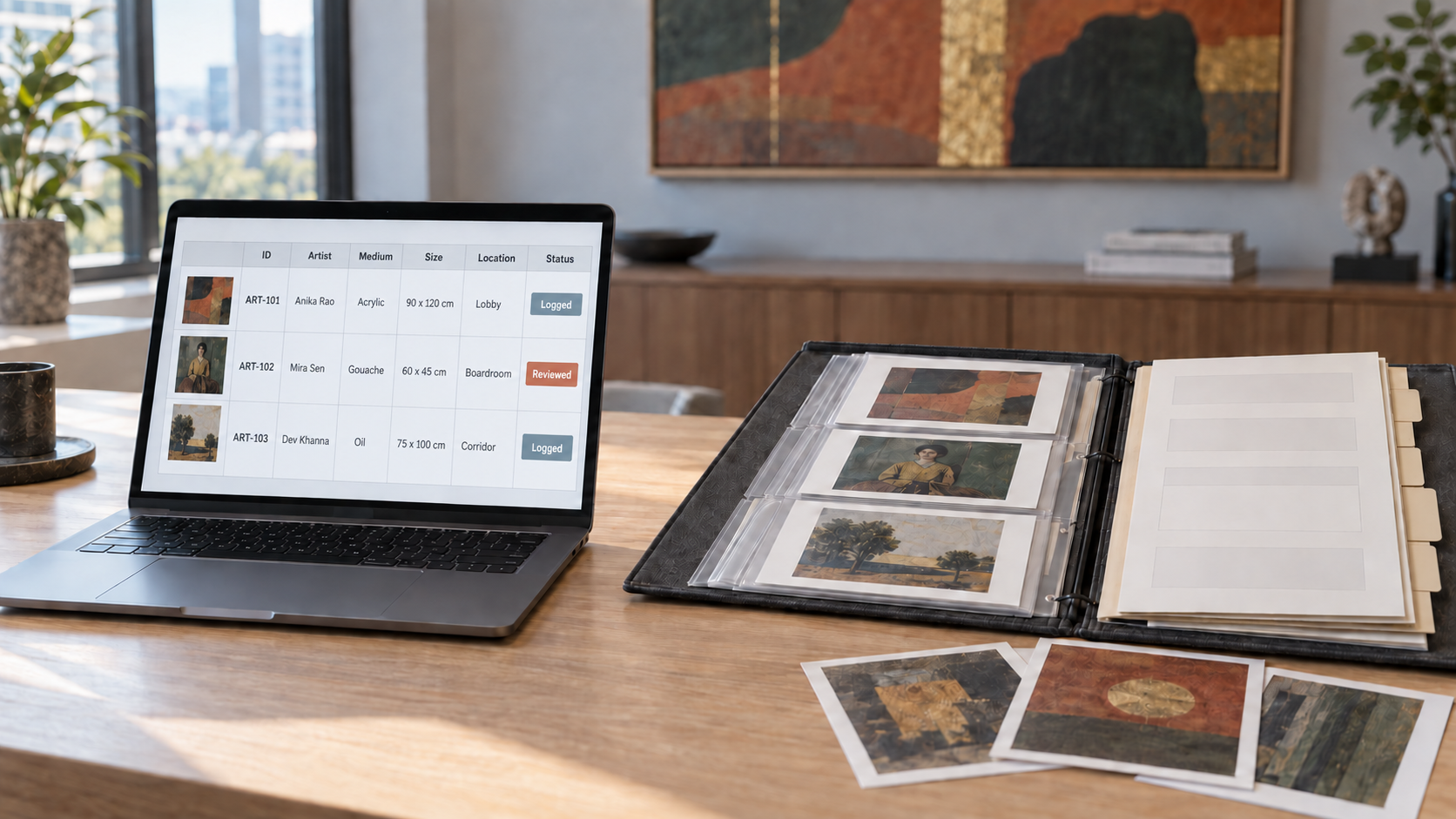
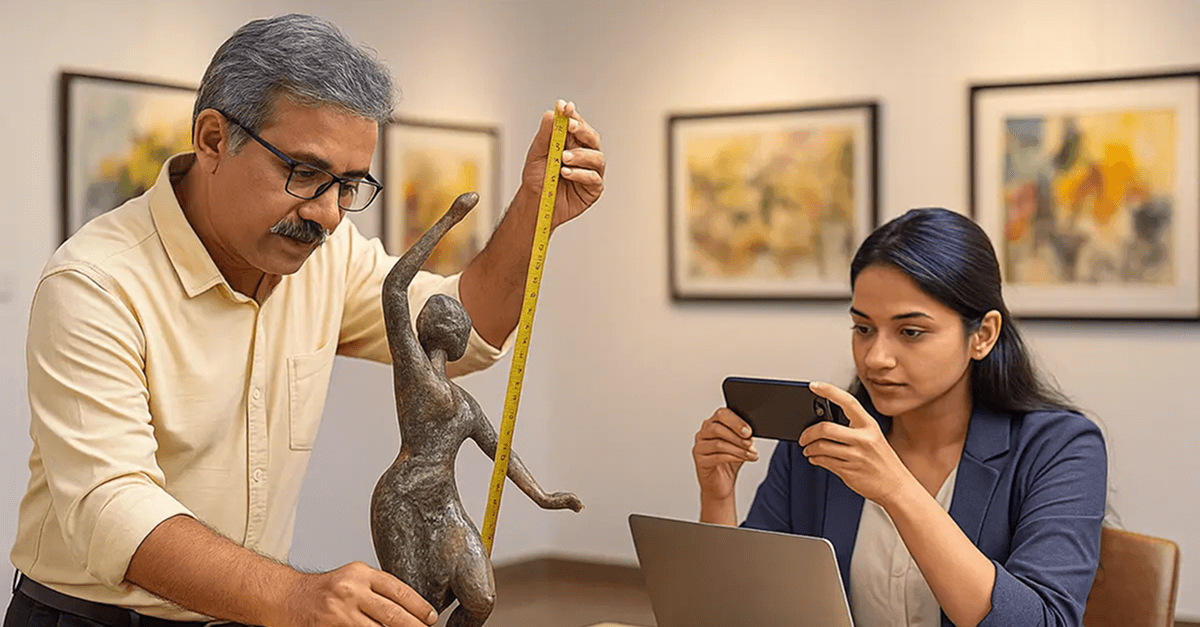
- Physical Description: Material, technique, dimensions, markings, damage, and condition notes.
- Provenance: History of ownership, acquisition details, transfers.
- Cultural Context: Regional, religious, historical, or social significance.
- Artist and Period Information: For attribution, comparison, or scholarly classification.
- Storage and Handling Notes: Climate requirements, fragility indicators, handling protocols.
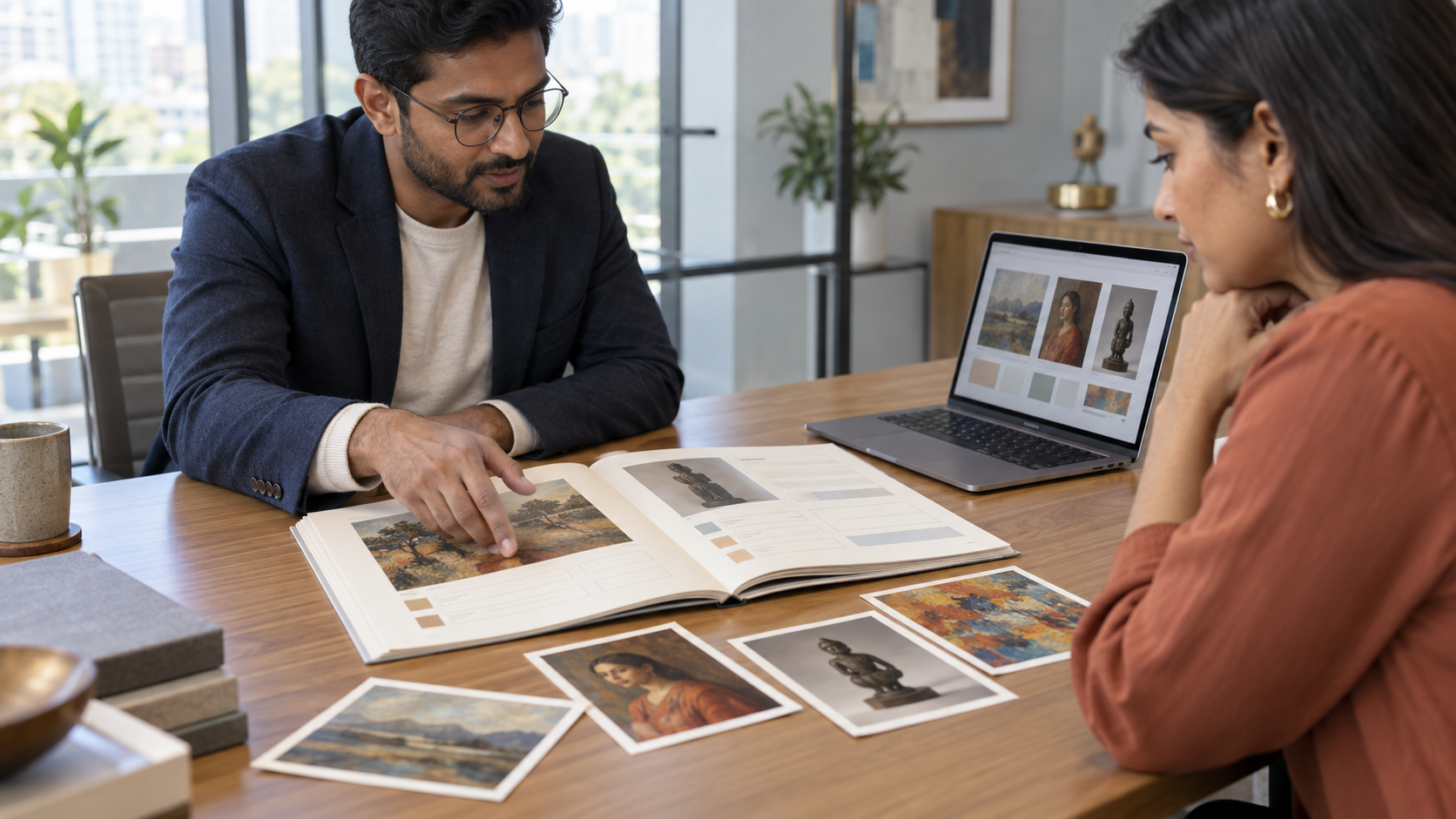
- Photographic Documentation: Studio-quality imagery from multiple angles with color calibration.
- Digitization: High-resolution scans or digital twins for virtual archives or online museums.
This process ensures that every item in a museum’s collection—whether on display or in deep storage—is traceable, protected, and accessible to staff, researchers, and (when appropriate) the public.
Key Elements of Effective Museum Cataloging
The most effective museum cataloging systems are built on three core principles: accuracy, accessibility, and longevity.
Here’s what they include:
1. Standardized Metadata Structure
Using global frameworks such as CDWA (Categories for the Description of Works of Art) or Spectrum Standards from the UK, museums ensure consistent data entry across all records.
2. Unique Object Identification
Every item receives a catalog number or barcode for tracking, often linked with RFID or QR codes in modern systems.
3. Photographic and Condition Reports
Images include front, back, detail views, and scale references. Condition reports are periodically updated after exhibitions or transport.
4. Digital Access and Software Integration
Databases are often cloud-based or hosted via museum software like TMS, MuseumPlus, or PastPerfect, offering real-time access to stakeholders.
5. Multi-Language and Regional Taxonomy Support
For Indian museums, cataloging often requires bilingual descriptions and references to regional classifications or art traditions.
6. Security Protocols
Sensitive artworks are cataloged with access restrictions and digital watermarking to prevent data misuse or intellectual property theft.
Benefits of Cataloging for Institutional and Cultural Preservation
Investing in professional documentation and cataloging offers long-term returns, both institutionally and culturally:
Preserving Knowledge Across Generations
When artworks are documented in detail, their stories, symbolism, and socio-political context remain intact—even if the object is damaged or lost.
Supporting Research and Scholarship
Catalogs help academics, students, and conservators analyze works for publications, exhibitions, or restoration projects.
Enhancing Public Access and Engagement
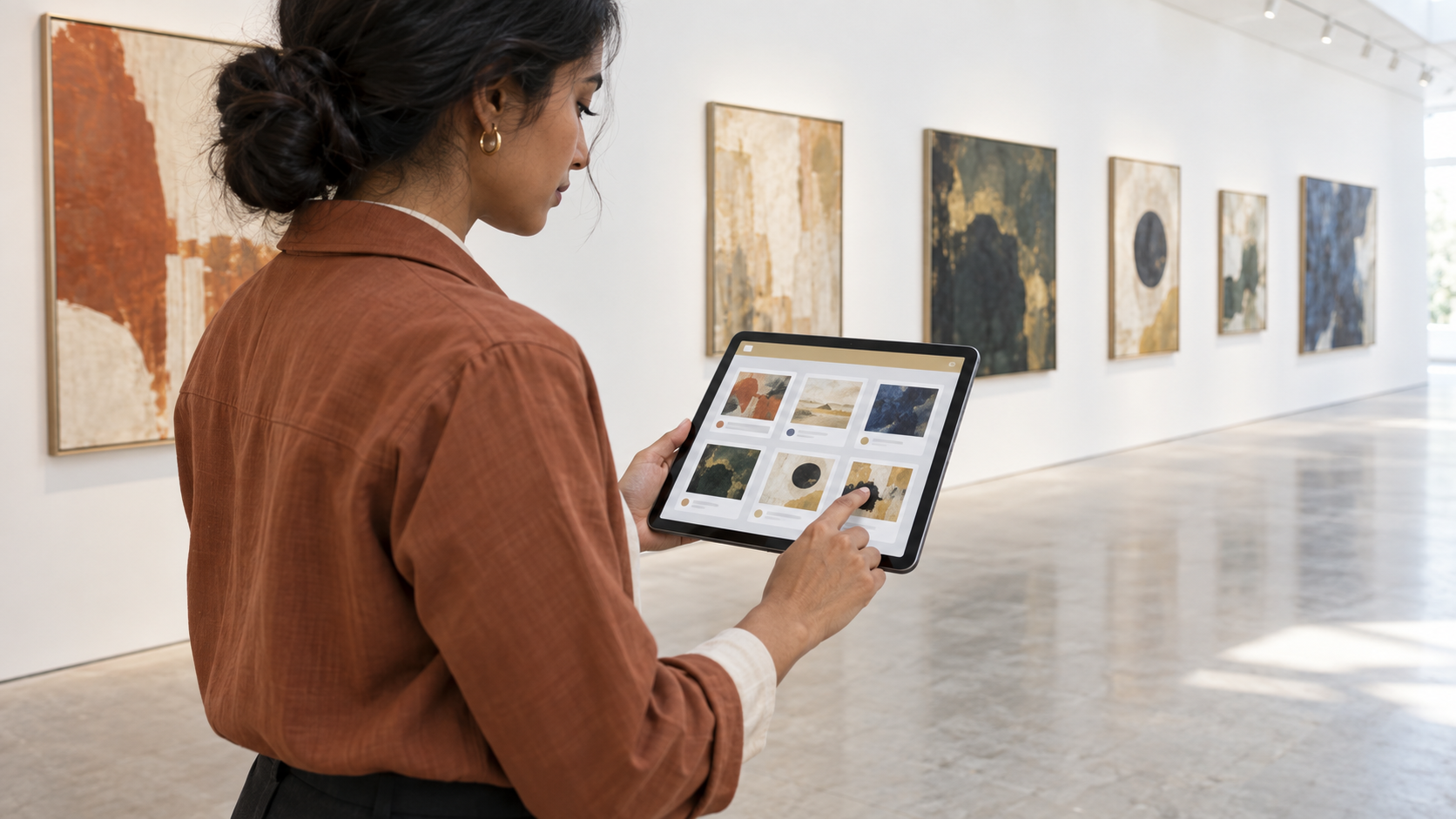
Online catalogs and virtual galleries widen public outreach, helping museums connect with younger, tech-savvy audiences.
Enabling International Collaborations
Digitally cataloged collections are easier to loan, exhibit, or share with global institutions or platforms like Google Arts & Culture.
Ensuring Accountability and Provenance
With looted or contested artifacts in global headlines, clear provenance records protect museums from ethical or legal disputes.
Streamlining Logistics and Insurance
From valuation to transport, cataloged data simplifies interactions with insurers, packers, and customs officials.
Challenges Museums Face in Documentation and How to Address Them
Despite the importance of cataloging, many Indian museums and institutional collections still struggle with:
❌ Legacy Systems and Paper Records
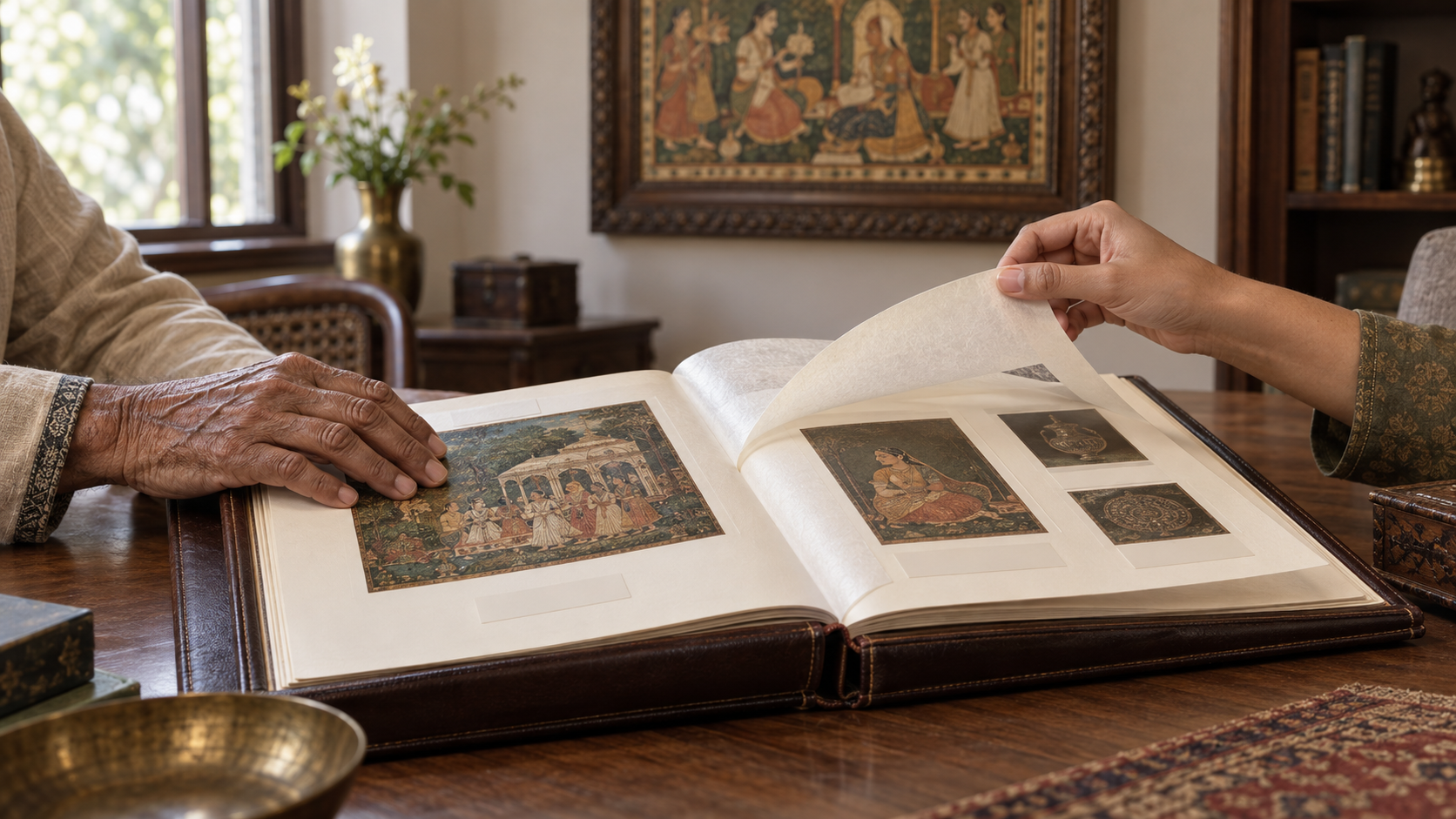
Large parts of existing collections remain un-digitized, recorded in fragile ledgers or outdated formats.
✅ Solution: Begin phased digitization with expert partners who can validate and upgrade old records.
❌ Inconsistent Standards: Different departments or time periods may have used non-standardized methods, leading to fragmented data.
✅ Solution: Adopt a unified metadata model (e.g., Spectrum) and reconcile legacy inconsistencies gradually.
❌ Budget and Staffing Constraints: Many institutions lack trained staff or funding to conduct large-scale cataloging.
✅ Solution: Outsource cataloging to specialized service providers like TurmericEarth who offer scalable packages based on volume and scope.
❌ Lack of Training: Staff may be unfamiliar with digital tools or archival standards.
✅ Solution: Include skill development as part of any digitization initiative—via workshops or onboarding modules.
Global Standards and Best Practices in Museum Cataloging
Museums that wish to align their documentation with international standards should consider the following:
- Spectrum Standard (UK): A globally accepted framework for collections management.
- CIDOC CRM: A semantic standard that enables sharing across databases and institutions.
- Getty Vocabularies: For artists’ names, geographic locations, and art terminologies.
- LODA and CDWA: For descriptive and contextual data modeling.
It’s also important to ensure your digital files follow sustainable formats like TIFF, JPEG2000, or PDF/A, and that backups are maintained on secure servers with version control.
Institutions like the British Museum, The Met, and the Smithsonian set high benchmarks. Indian museums are increasingly aligning with these through partnerships, grants, and private expertise.
Case Examples: Museum Cataloging Done Right
Case 1: Digitizing a Regional Museum in Karnataka
A city museum partnered with an external documentation team to digitize its collection of 1,200 folk artifacts. Within eight months, the museum launched an online gallery with multilingual descriptions and added QR codes to in-gallery labels. Visitor engagement grew by 40%.
Case 2: Archiving an Academic Collection
An art department at a leading Indian university used professional cataloging services to create an integrated archive of over 800 works by alumni and visiting artists. This catalog has since supported international academic collaborations and funding applications.
These examples prove that professional cataloging is not limited to large national institutions—it can elevate museums of all scales.
How TurmericEarth Supports Museum Documentation in India
At TurmericEarth, we understand that art documentation and cataloging for museums requires both cultural sensitivity and global rigor.
Here’s what we offer:
- Audit and Planning: We assess the current state of your archives and create a phased plan.
- Digitization of Paper Records and Objects: Including scanning, high-resolution photography, and metadata entry.
- Standards-Based Catalog Design: We follow international frameworks while adapting to Indian needs (vernacular terms, regional art forms).
- Cloud-Based and Secure Access Systems: Tailored for museums that need internal and public-facing access.
- Training and Capacity Building: To ensure your team can maintain and update the catalog going forward.
Explore our full scope of services on our Art Cataloging page.
Action Plan for Museums to Upgrade Their Cataloging Systems
Here’s a step-by-step roadmap:
- Inventory Your Collection: Begin by physically verifying what you own and its current documentation status.
- Prioritize: Start with fragile, high-value, or high-visibility items.
- Choose a Framework: Adopt an international metadata and cataloging model.
- Digitize Gradually: Schedule batches for scanning, photography, and data entry.
- Centralize Records: Use a shared software or database.
- Train Staff: Upskill your team in digital tools and cataloging techniques.
- Update Regularly: Ensure records reflect loans, condition changes, or exhibitions.
Consistency is key. Even partial progress can dramatically improve collection management.
Conclusion: Safeguarding Cultural Legacy Through Documentation
Cataloging is more than an administrative function—it is the heartbeat of every museum’s ability to preserve and interpret culture. As India’s museums step into a new era of accessibility, global collaboration, and digitization, robust documentation is the bridge between our artistic past and the digital future.
Partner with TurmericEarth to ensure your museum’s legacy is cataloged with care, precision, and purpose. Learn more about our Art Cataloging Services and how we can help you preserve culture for generations to come.