

Art is more than a visual treasure—it’s a high-value asset. Whether you’re a private collector, gallery owner, or institutional custodian, safeguarding your artworks against theft, fire, accidental damage, or natural disasters is non-negotiable. And in the world of fine art, the most reliable safety net is insurance.
Yet, securing insurance for art collections isn’t as simple as sending an email to your insurer. It hinges on how well your collection is cataloged. Without detailed documentation, claims are often denied, undervalued, or delayed.
That’s why art collection cataloging for insurance valuation has become a critical step in the ownership journey. This blog explores how cataloging bridges the gap between asset protection and insurance readiness—helping collectors in India and globally safeguard both financial and emotional investments.
The Link Between Cataloging and Insurance Valuation
At the heart of every art insurance policy lies one question: What exactly are you insuring—and for how much? Cataloging provides the evidence-based answer.
A professionally created catalog serves as:
- Proof of ownership
- Evidence of condition at time of coverage
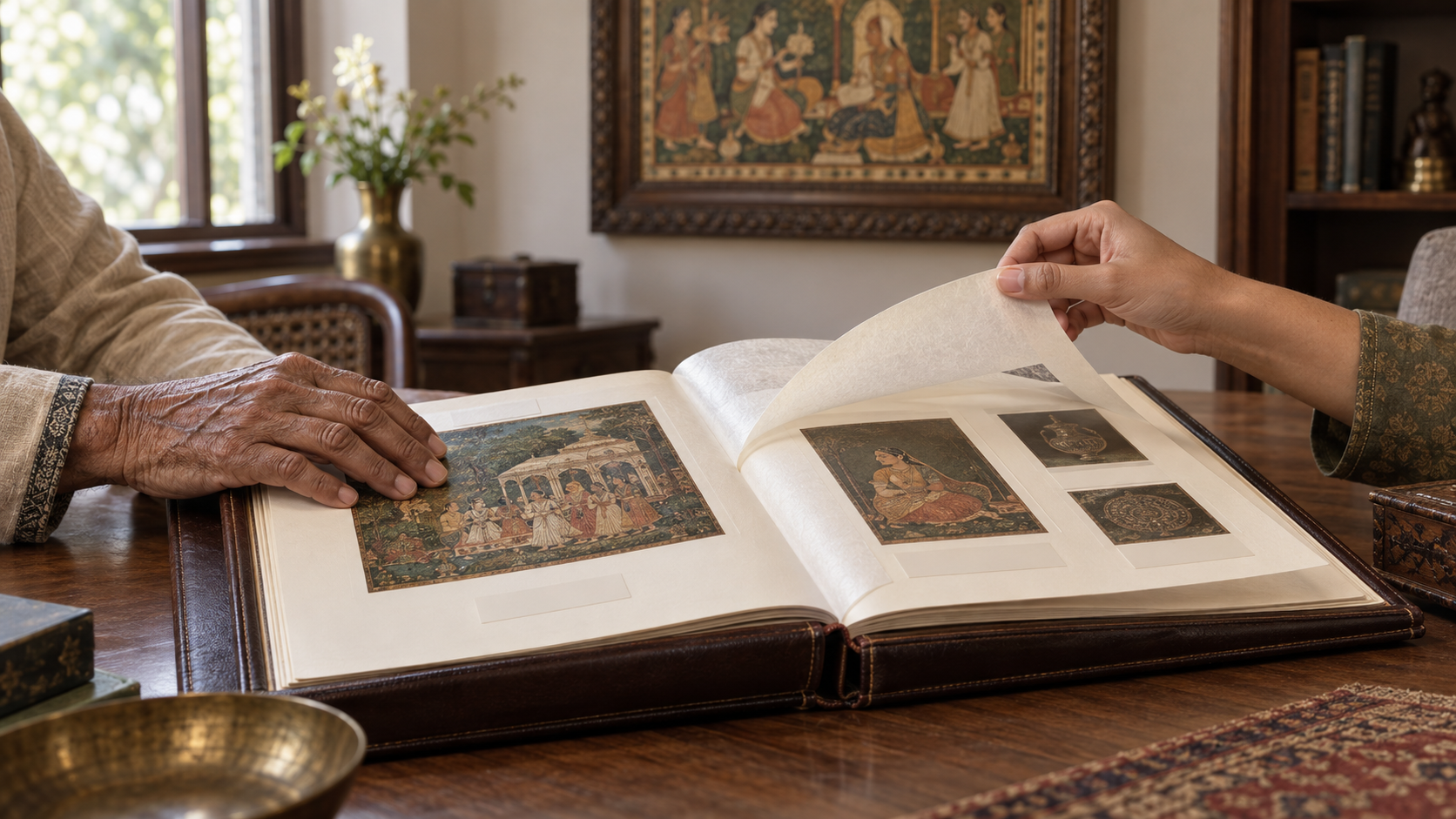
- Record of provenance
- Basis for appraisals and valuations
- Documentation for recovery, in case of theft or loss
Without cataloging, insurers may not accept your valuation or could dispute coverage. Worse, in the event of a claim, you may be unable to demonstrate what you lost or its insured value.
That’s why cataloging isn’t just helpful—it’s essential to any serious collector or institution’s risk management strategy.
What Insurers Look for in an Art Inventory
Insurance companies require specific documentation to underwrite or process claims for artwork. A comprehensive art catalog should ideally include the following:
Detailed Descriptions
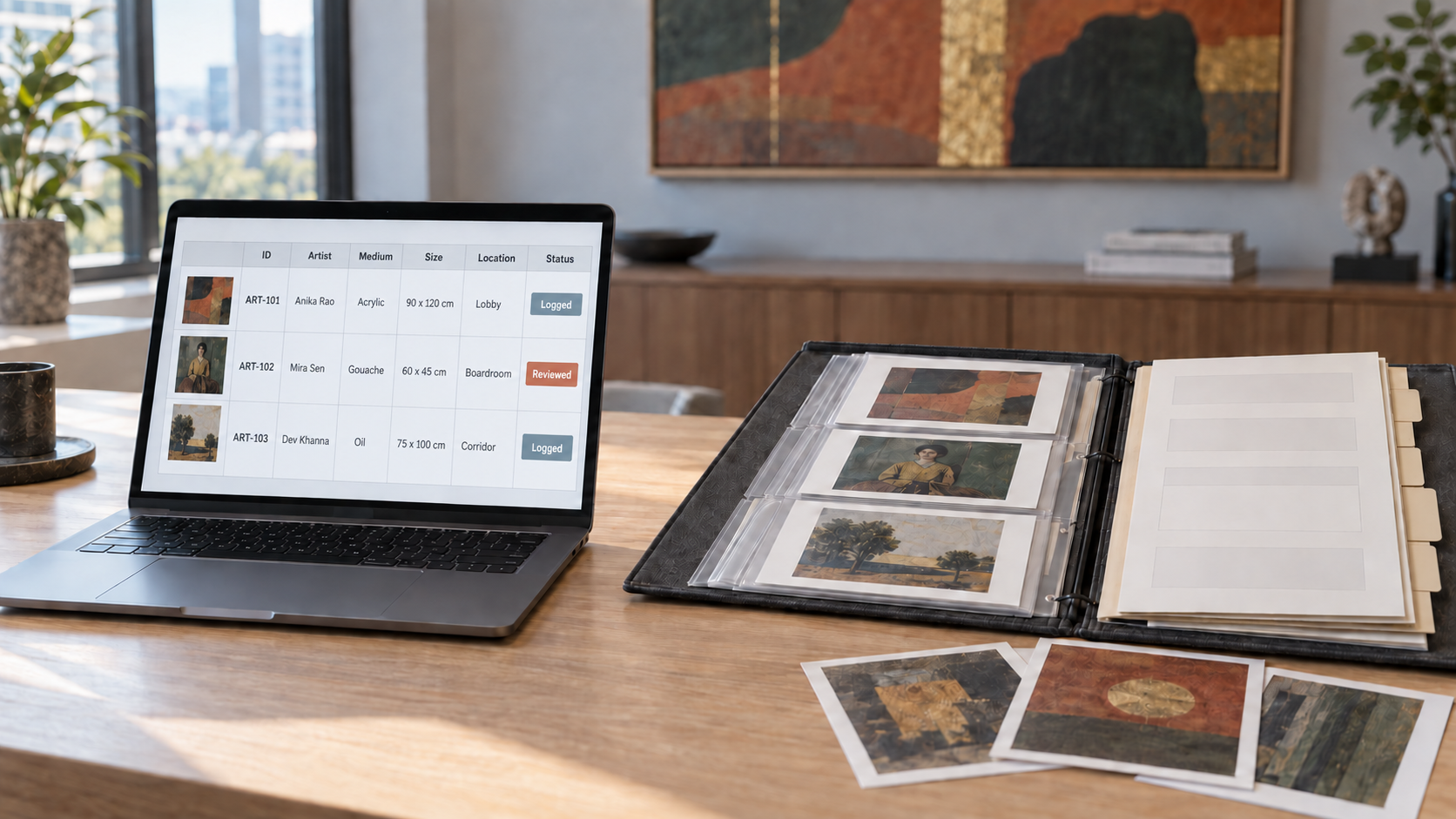
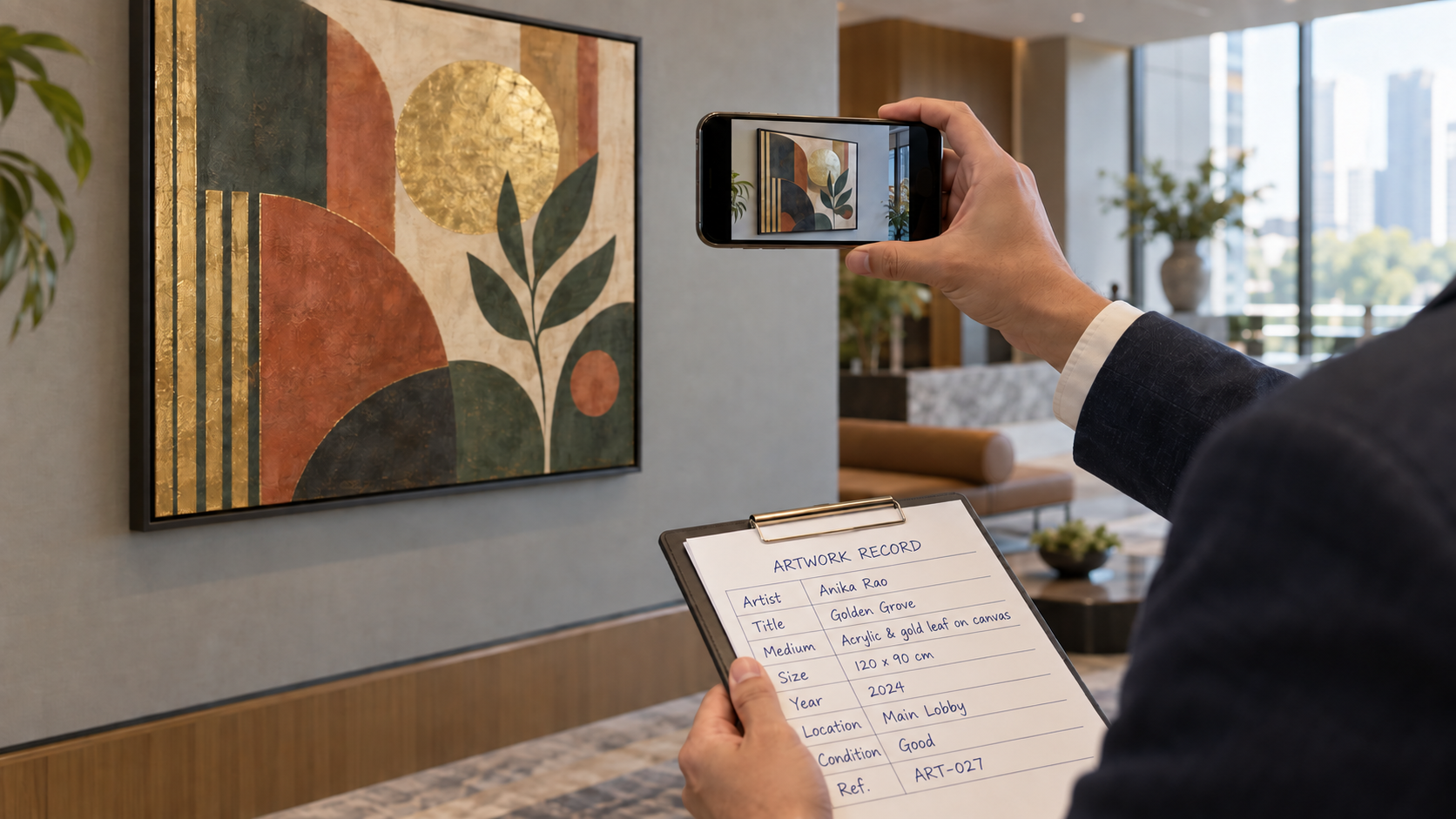
- Title, artist name, medium, size, date of creation
- Frame details or inscriptions (if applicable)
High-Quality Photographs
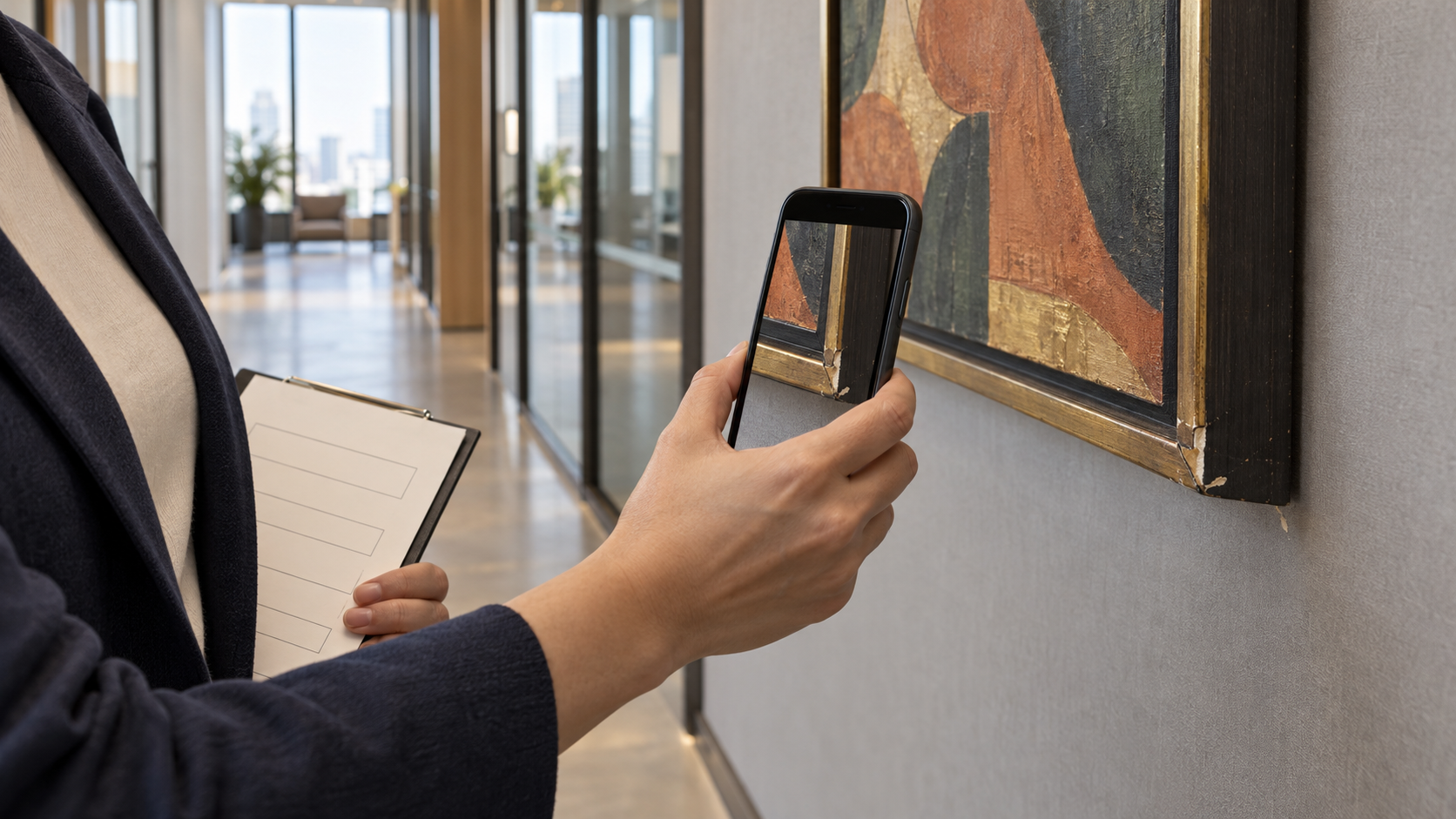
- Front, back, and detail views
- Condition and damage (if any) clearly captured
Provenance Records
- Purchase invoice, auction records, or artist certification
- History of ownership and previous appraisals
Condition Reports
- Expert evaluation of the physical state of the work at the time of cataloging
- Updates following restoration, framing, or transport
Appraisal or Valuation Certificates
- Ideally by a recognized art appraiser or registered valuer
Location and Movement Logs
- Where the piece is housed, whether it’s on loan or in transit
Insurers assess these records to determine both replacement value and likelihood of a valid claim.
How to Build an Insurance-Ready Catalog
To build an insurance-compliant art catalog, follow a step-by-step approach:
1. Inventory All Works
List all artworks you own, including those not on display—such as items in storage, warehouses, or other properties.
2. Assign Unique Identifiers
Create catalog numbers or codes for each piece. These can be numerical, barcode, or QR-based.
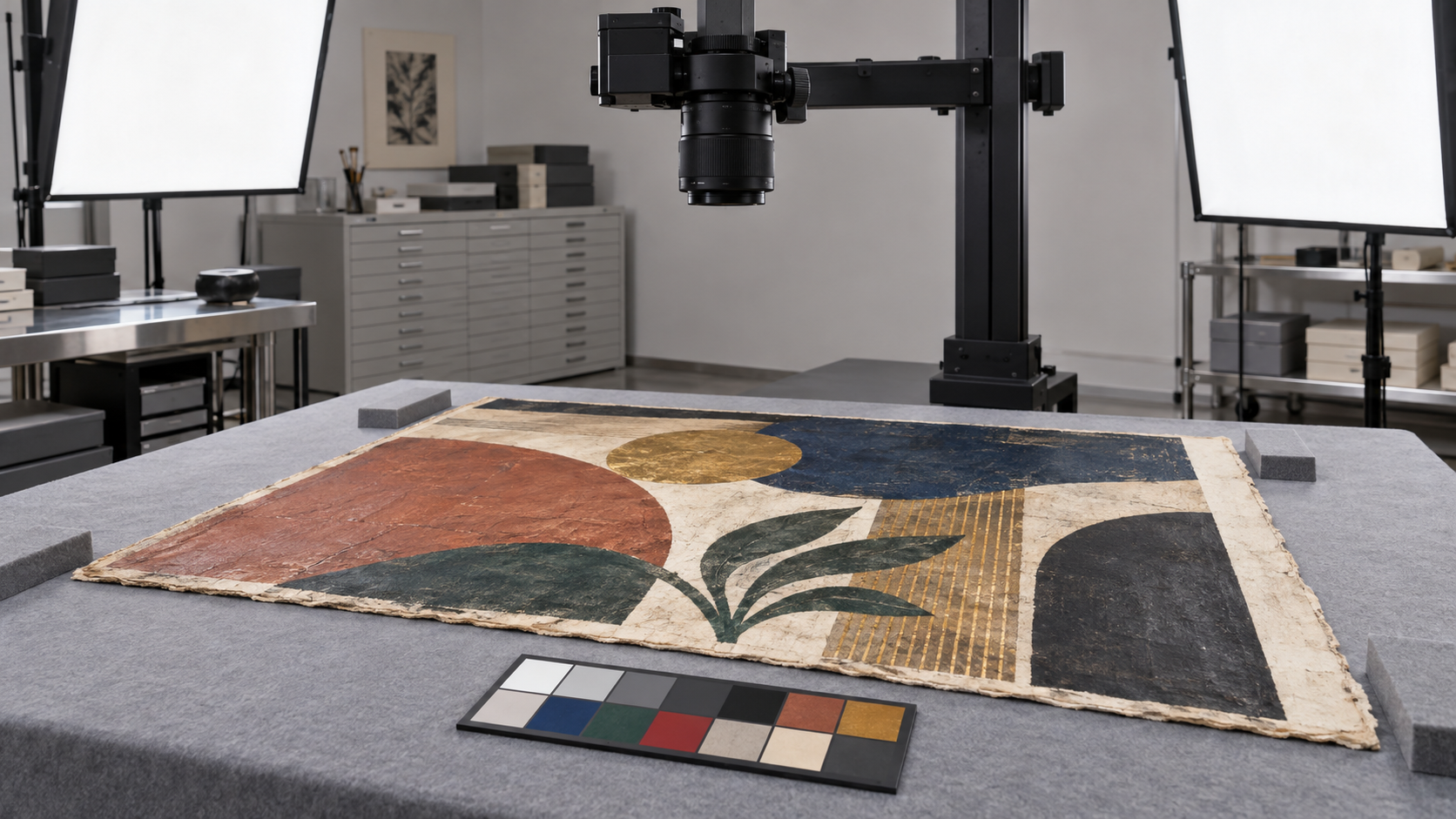
3. Capture Photographic Evidence
Use natural or controlled lighting. Capture front, back, side angles, signatures, and any visible wear or restoration work.
4. Compile Artwork Details
Include:
- Artist biography (if known)
- Year created
- Style, genre, school of art
- Medium and technique
5. Add Provenance and Valuation
Upload or attach scanned copies of:
- Invoices
- Artist certifications
- Appraisals from credible sources
6. Maintain Digital and Physical Versions
While digital catalogs are easier to update and share, always maintain a hard copy or backup on a secure drive or cloud system.
7. Update Regularly
Each time the work is moved, restored, re-valued, or exhibited, update the catalog accordingly.
Platforms like TurmericEarth’s Art Cataloging Services make this process seamless, combining archival accuracy with insurance-readiness.
Common Mistakes Collectors Make When Cataloging for Insurance
While intentions are good, collectors often fall into avoidable traps when documenting art for insurance purposes:
❌ Using Incomplete or Generic Descriptions
Insurers need detail. “Abstract acrylic painting by unknown artist” won’t cut it.
❌ Ignoring Condition Reports
Condition is critical for claims. Without documentation, insurers can contest whether damage was pre-existing.
❌ Failing to Update the Catalog
Art values change. If your artwork was last appraised 10 years ago, your coverage may be underinsured today.
❌ Skipping Professional Help
Self-made spreadsheets lack the standardization and structure that insurers prefer. Engaging cataloging professionals ensures the format and completeness meet requirements.
❌ No Backup: Hard drives crash. Fires happen. If your only catalog is physical, you’re exposed.
Being proactive today can mean peace of mind tomorrow.
Types of Art Insurance Policies and How Cataloging Supports Each
Understanding your policy type can guide how you structure your catalog.
1. Agreed Value Policies
The insurer and policyholder agree on a set value based on documentation. Cataloging ensures this value is defensible.
2. Replacement Value Policies
These require recent valuations to determine what the piece would cost to replace. Cataloging allows quick reassessment.
3. Title Insurance
Especially for artworks with unclear provenance. A complete history from cataloging supports legitimate ownership.
4. Transit or Exhibition Coverage
If a work is traveling, detailed catalog entries (with condition reports and location tracking) help insure and protect it during movement.
5. Blanket Policies for Collections
These need periodic updates and accurate records. Your catalog becomes the foundation for determining aggregate value.
Insurers like Tata AIG, HDFC ERGO, and even global providers such as AXA XL often request these kinds of records when underwriting fine art insurance in India.
Real-Life Cases: When Cataloging Saved the Day
Case 1: A Collector in Mumbai
A collector insured her collection of modern Indian art. When a minor fire damaged three framed pieces, her insurance claim was processed in just 10 days because her catalog included high-res images, appraisals, and recent condition reports.
Case 2: An Art Dealer’s Nightmare Averted
A Delhi-based gallerist had a sculpture damaged during interstate shipping. Thanks to QR-tagged inventory and condition reports embedded in his catalog, he not only secured a full insurance payout but also identified the responsible logistics partner with time-stamped records.
These examples underscore that documentation protects not just objects, but also reputation and liquidity.
How TurmericEarth Helps with Insurance-Focused Cataloging
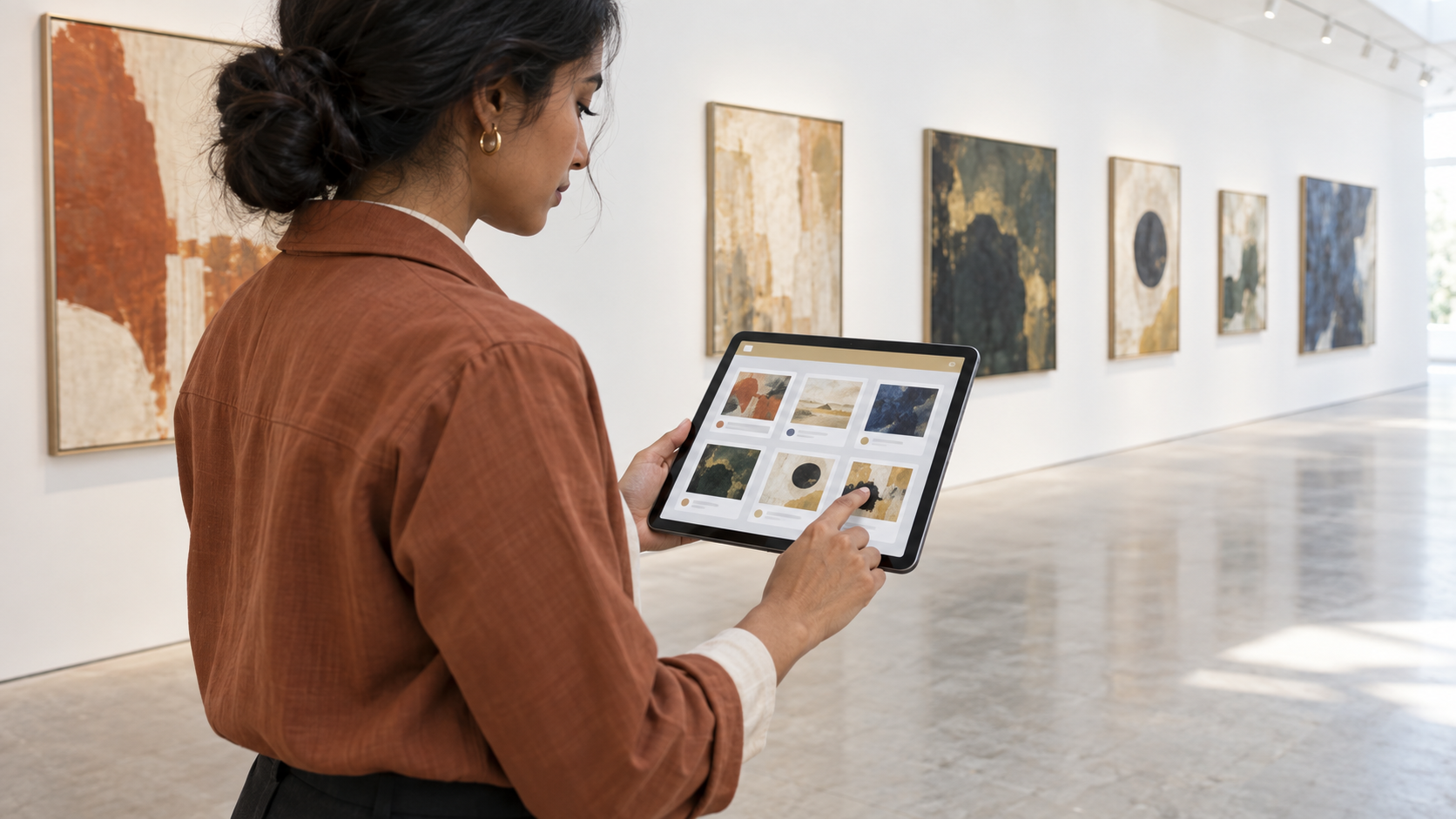
At TurmericEarth, we offer customized art cataloging services designed to align with the requirements of leading insurance companies and valuation experts.
Here’s how we support insurance-readiness:
- Audit and digitization of existing records
- Standardized catalog formats preferred by insurers
- Condition reporting with expert notes and timestamps
- Valuation-ready data (optional integration with certified appraisers)
- Cloud-based archives with backup and secure sharing options
- QR/barcode tagging for easier reference and tracking
Our expertise lies in blending archival quality with practical risk management, ensuring your collection is protected on paper—and in reality.
Checklist for an Insurance-Compliant Art Catalog
- List all artworks, even those in storage
- Include title, artist, medium, dimensions, and date
- Add high-resolution images with detail views
- Record current condition and past restorations
- Attach purchase records, provenance, and certifications
- Store physical and digital copies (with backup)
- Use unique IDs or QR codes for traceability
- Update annually or after any significant event
- Align formats with your insurance provider’s preferences
- Engage professionals like TurmericEarth for validation
Conclusion: Protecting Value with Proper Documentation
Art may be priceless in sentiment, but in practice, its financial worth deserves protection. Without proper cataloging, even the best insurance policy may fall short when you need it most. By creating an insurance-ready catalog, you’re not only preparing for uncertainty—you’re taking ownership of your legacy.
At TurmericEarth, we help collectors transform their art into well-documented, insurable assets. Explore our Art Cataloging Services to begin your journey towards safer, smarter collecting.