

India’s art market has seen remarkable growth in the last two decades, driven not only by galleries and museums but also by private collectors. From modern masters like Raza and Husain to emerging contemporary talents, individual collectors are amassing artworks with significant cultural and financial value.
With this growth, the responsibility of preserving, documenting, and managing these collections has never been more crucial. Yet, many private collectors underestimate the importance of professionally cataloging their artworks. While walls might display a few chosen pieces, many others lie undocumented, tucked away in storage or spread across homes and offices, exposed to the risk of loss, misplacement, or devaluation.
This is where art cataloging services for private collectors in India become not just helpful—but essential.
Why Cataloging is Essential for Private Art Collectors
The process of collecting art isn’t just about acquisition—it’s about stewardship. Whether you’re building a collection for legacy, investment, or personal passion, cataloging ensures that every artwork is part of a documented narrative. Here’s why this matters:
1. Preserving Provenance
Provenance—or the history of ownership—is critical in establishing the authenticity and value of an artwork. A well-maintained catalog provides traceability, including purchase records, artist information, and past exhibitions or publications.
2. Insurance and Legal Clarity
Without proper documentation, insuring your artworks or making claims in case of loss or damage becomes nearly impossible. Cataloging provides the foundational records required for insurance valuation, legal disputes, or asset division.
3. Collection Planning and Curation
Cataloging helps you make sense of your collection. Whether you’re loaning works to exhibitions or re-evaluating display themes, a centralized digital or physical record allows for thoughtful curation.
4. Estate and Succession Planning
As art becomes part of your legacy, your heirs will need clarity on the size, worth, and distribution of your collection. Cataloging supports smooth estate management and prevents future legal complications.
5. Market Readiness
For collectors who eventually wish to donate or sell part of their collection, having a well-documented catalog increases market value and credibility among galleries, institutions, and buyers.
What Professional Art Cataloging Services Include
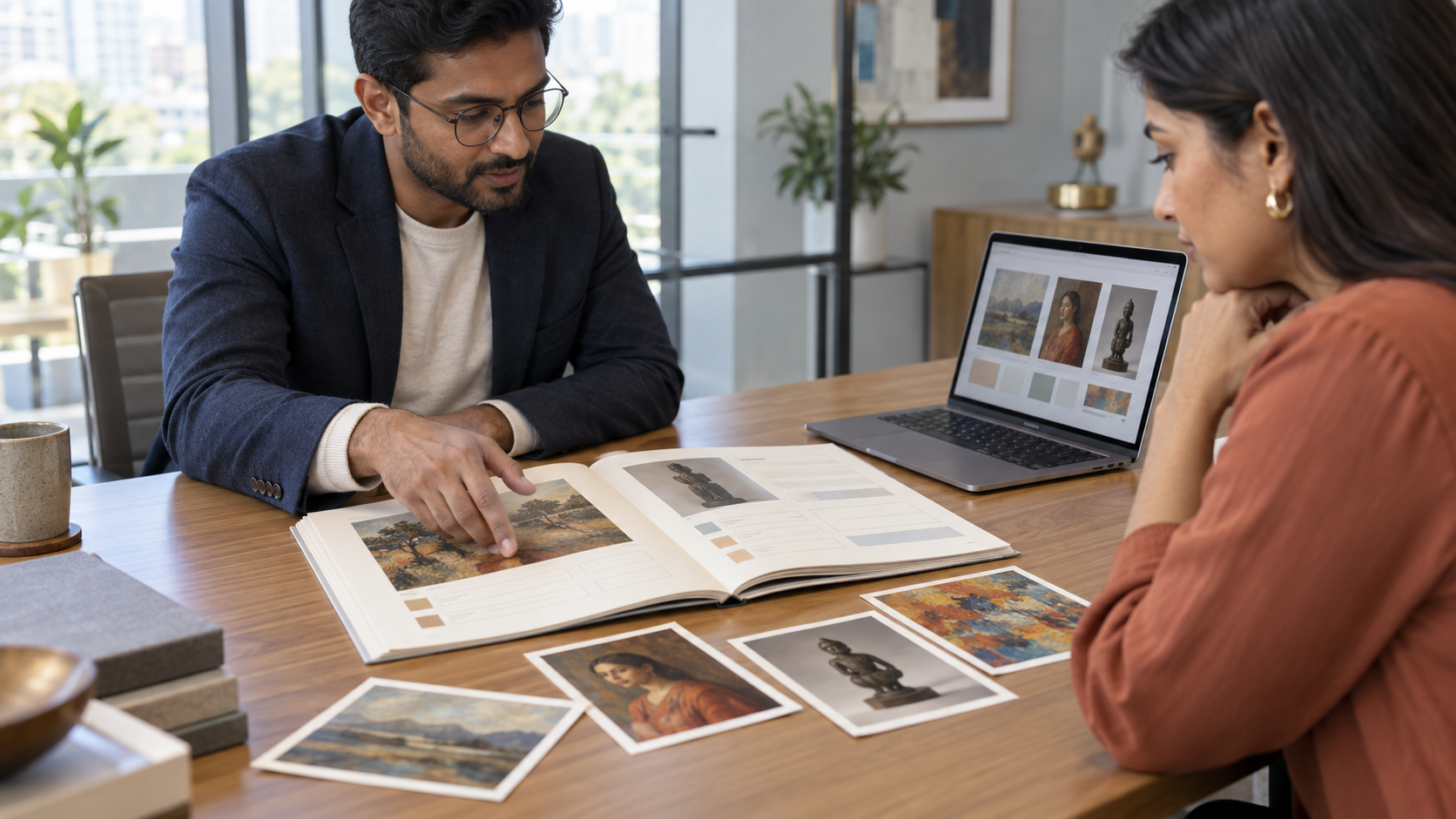
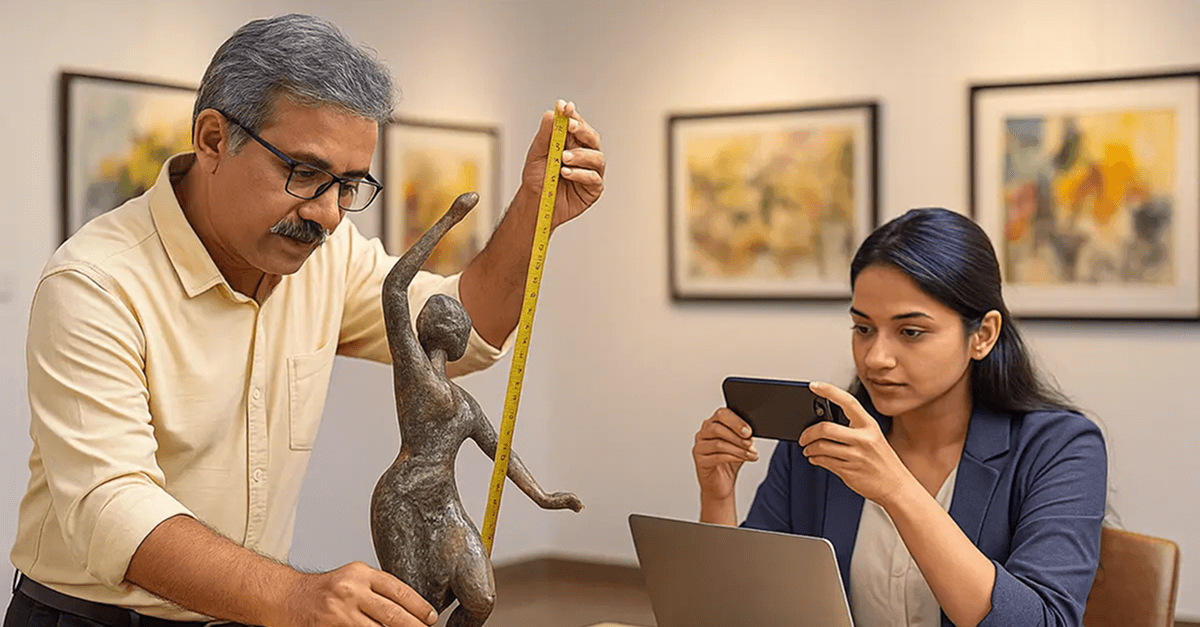
Professional cataloging is much more than listing artwork titles in a spreadsheet. Expert art cataloging services—like those offered by TurmericEarth—ensure your collection is documented with museum-grade precision.
Here’s what’s typically included:
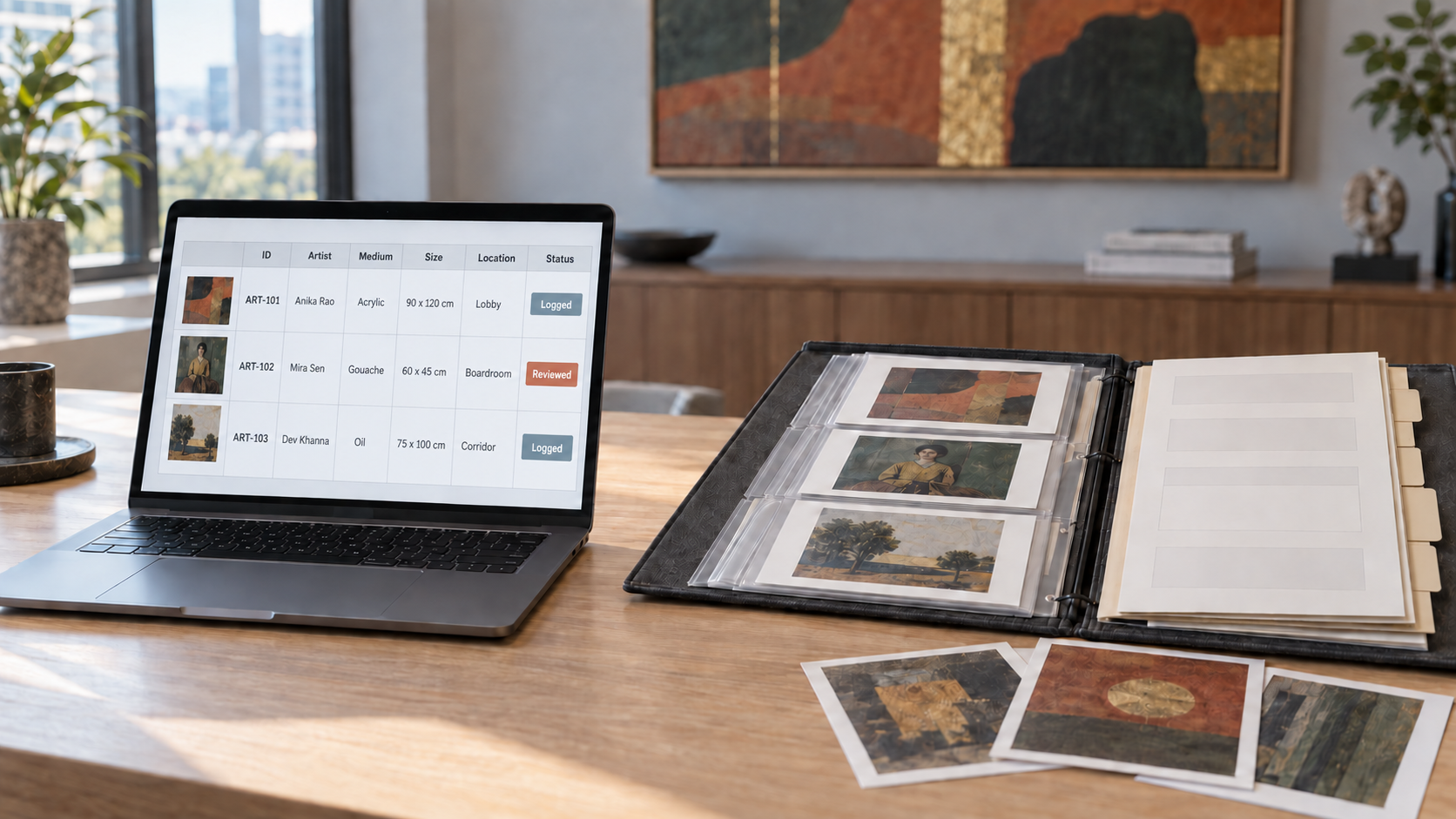
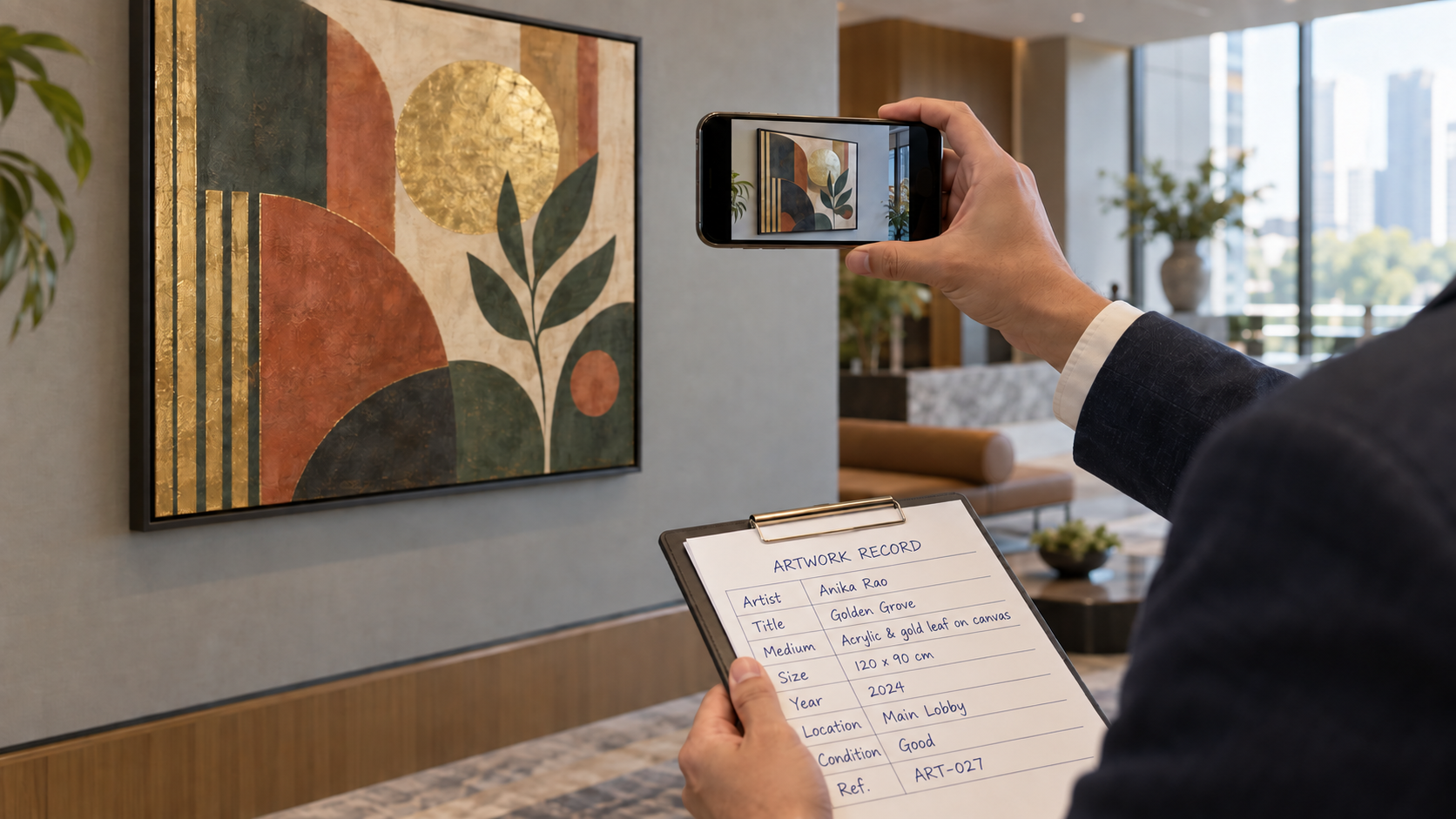
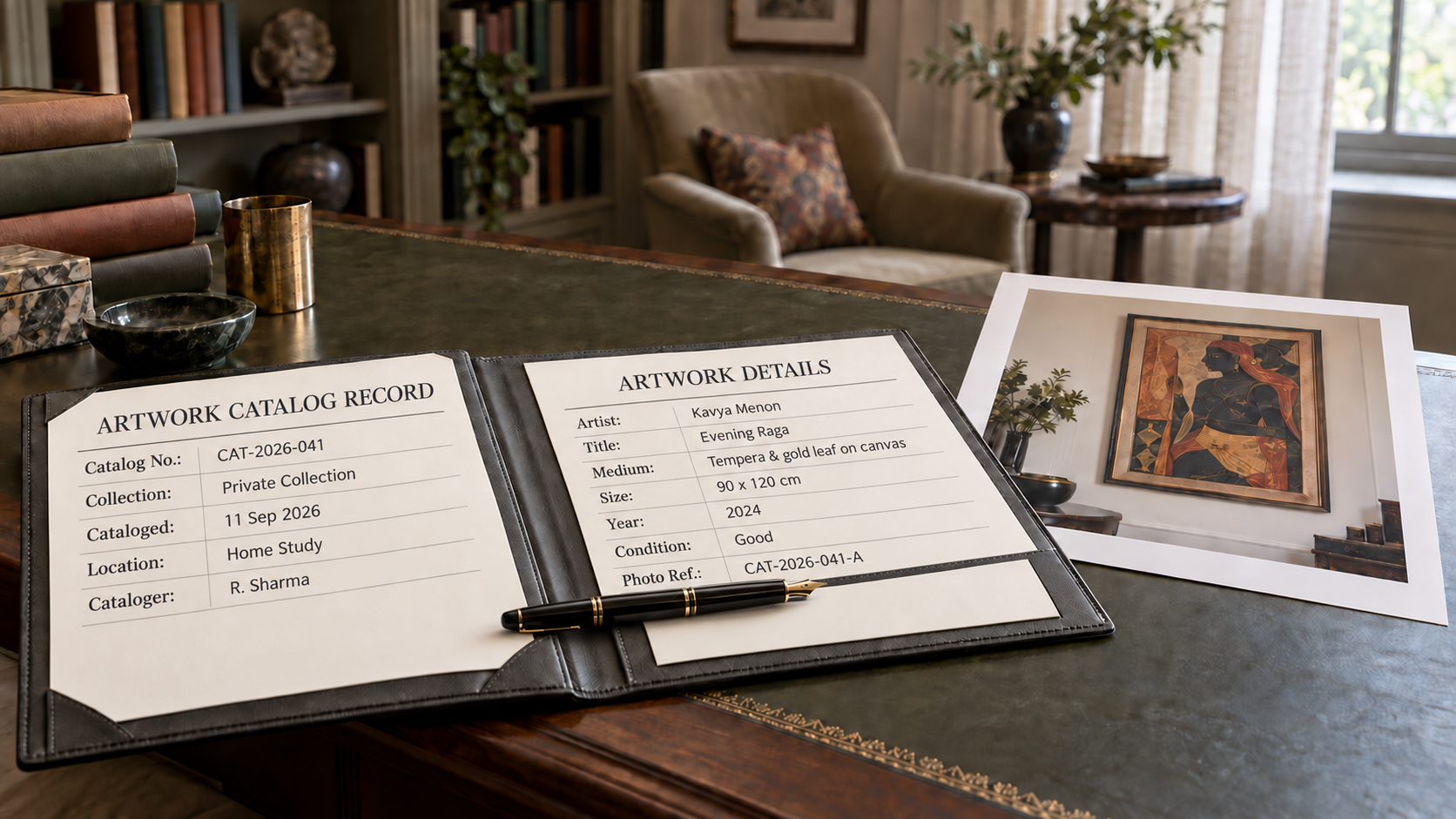
- Artwork Identification: Title, artist, medium, dimensions, date, edition numbers (if applicable).
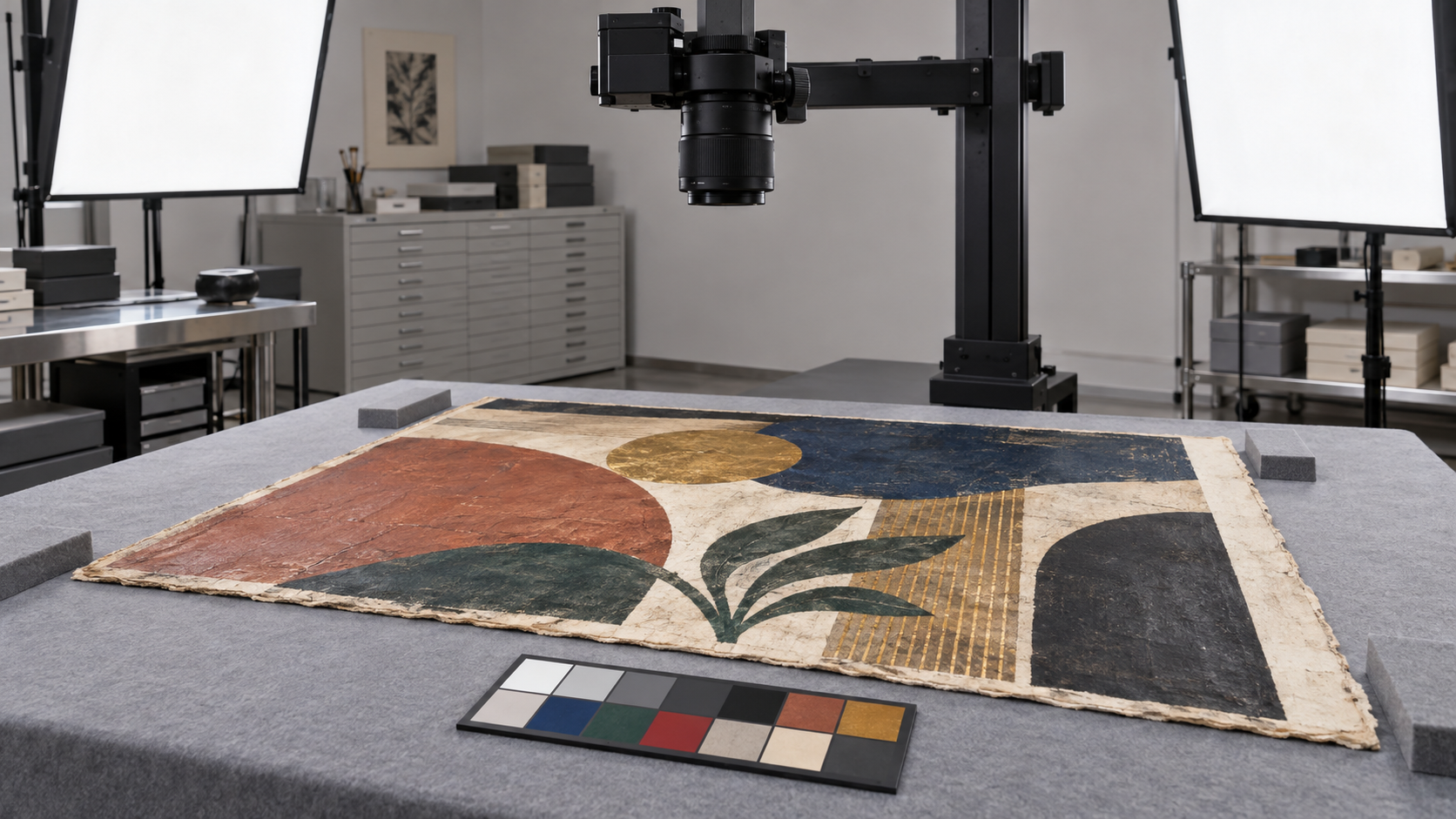
- Photographic Documentation: High-resolution images, including condition documentation and detail shots.
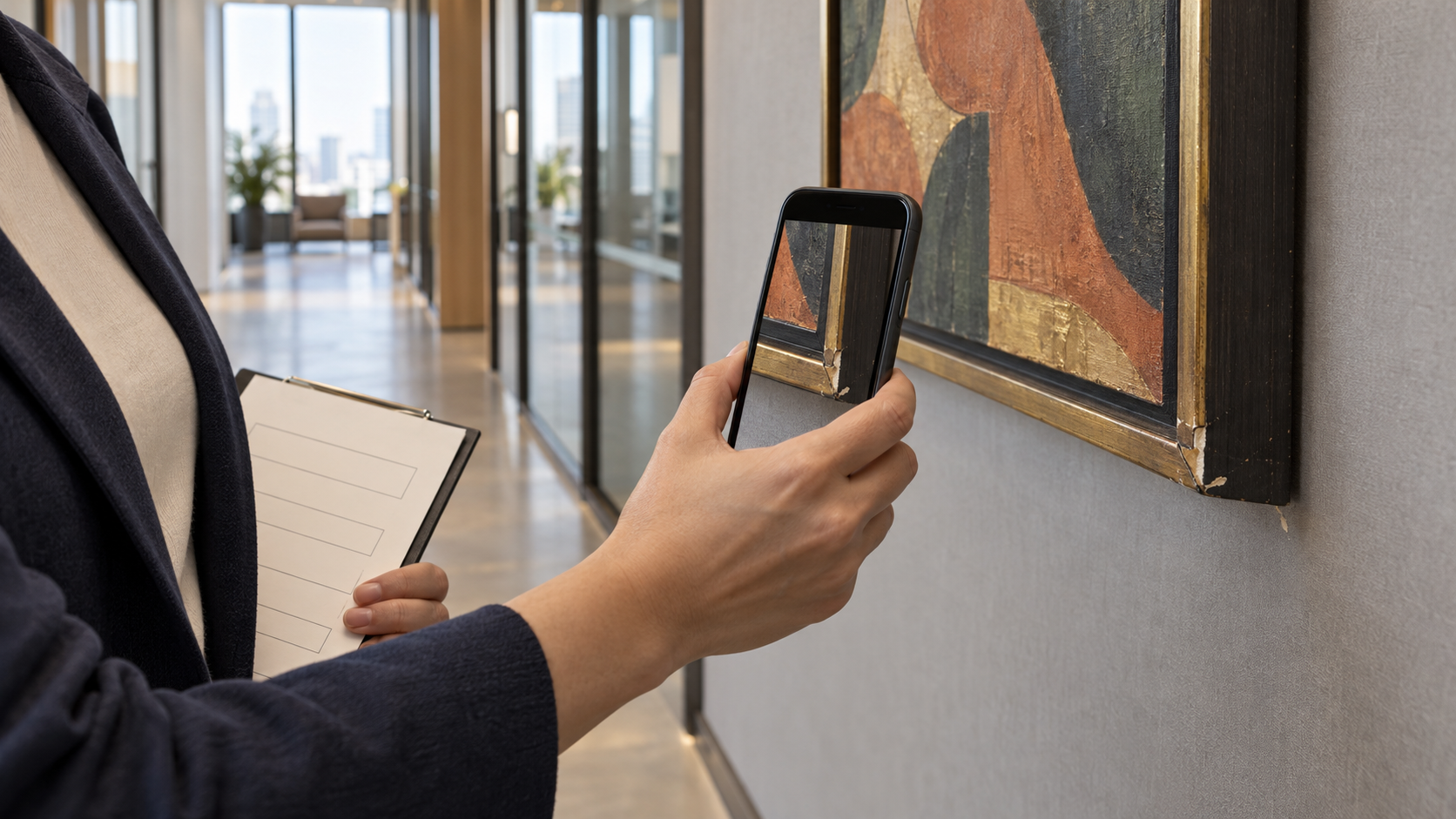
- Condition Reporting: Expert notes on the current physical state of each artwork.
- Provenance and Exhibition History: Including purchase details, certificates, and any historical or curatorial context.
- Valuation Integration: Cross-referenced data for appraisals or market value estimation.
- Digital Archiving: Cloud-stored or software-based inventory systems with user-friendly access.
- Metadata and Search Functionality: Categorization based on artist, period, type, or location.
- Secure Backup and Access Control: Especially important for high-value or sensitive collections.
With these elements in place, your collection becomes not only secure but also ready for future transitions—be it lending, insuring, exhibiting, or bequeathing.
Consequences of Not Cataloging Art Collections
The absence of cataloging isn’t just a missed opportunity—it’s a risk.
- Loss of Value: Without documentation, it’s difficult to verify authenticity, significantly reducing resale or insurance value.
- Heir Disputes: Art is increasingly being contested in wills and family settlements. Lack of documentation can create ambiguity or conflict.
- Poor Storage Decisions: Works not properly tracked may deteriorate in unsuitable conditions.
- Lack of Control: You may forget what’s stored where, what’s loaned out, or what’s been damaged—especially if your collection spans multiple locations.
- Barrier to Growth: As a collection grows, lack of inventory can lead to redundancies or missed acquisition opportunities.
Case Studies: Lessons from Indian Collectors
The Collector Who Lost a Tagore
A Mumbai-based collector once found an unsigned charcoal sketch in his father’s archives. Years later, it was confirmed to be an original Rabindranath Tagore—yet the lack of any cataloging delayed authentication and valuation by months. Had it been cataloged earlier, the work could have featured in institutional exhibitions and fetched a higher valuation.
Legacy Locked in Storage
A second-generation art collector from Chennai inherited a collection of over 200 works, including rare lithographs and tribal art. With no documentation in place, she spent a year working with professionals to catalog and value the collection, delaying her plans for a family trust exhibition and partnership with local museums.
These stories are common—and avoidable with timely cataloging.
Digital vs. Physical Cataloging – What Should You Choose?
Both methods have merits, and the best cataloging strategies often combine them.
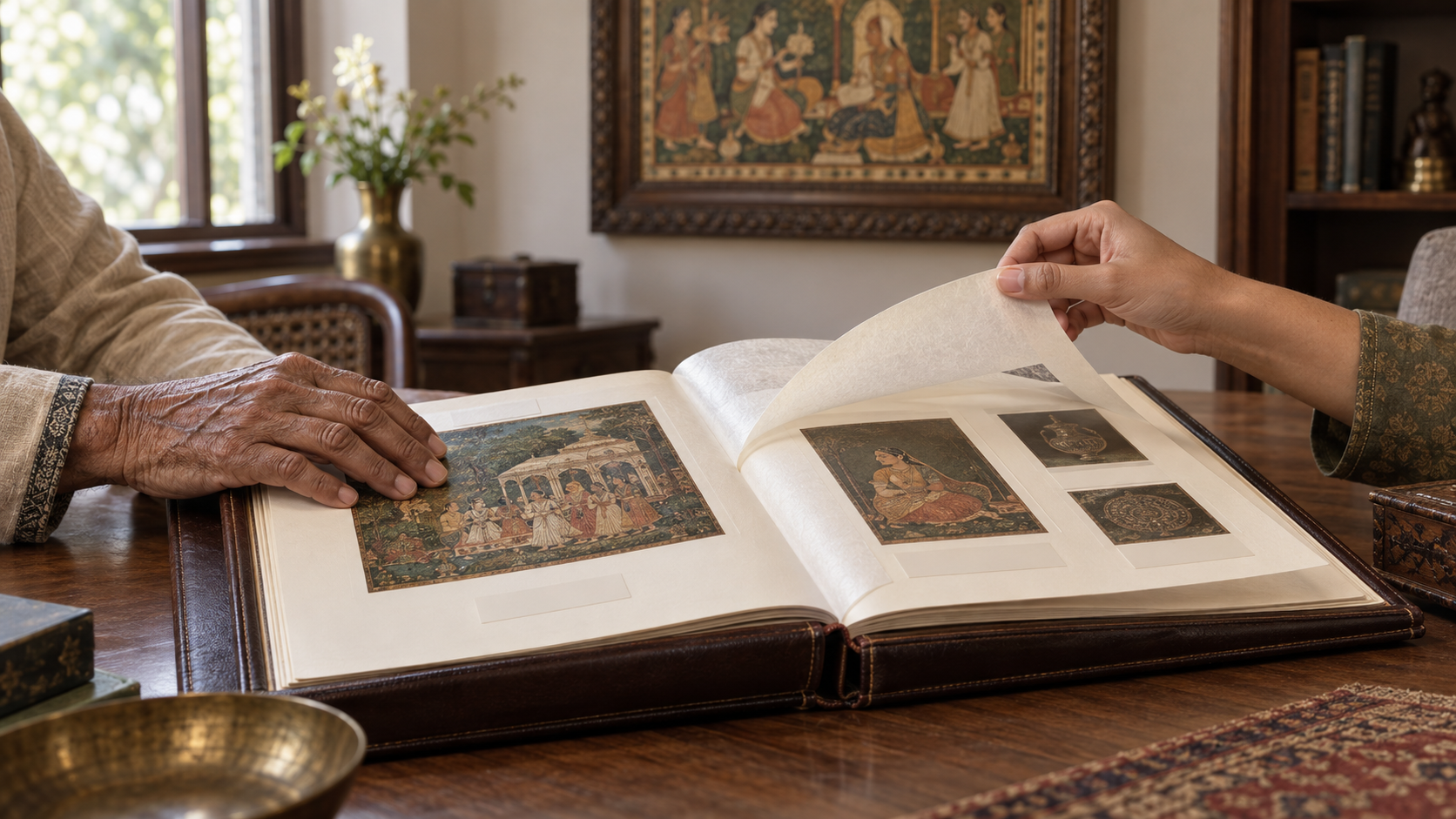
Physical Cataloging
- Tangible records and hard-copy archives
- Useful for older collectors not comfortable with tech
- Needs safe physical storage and backup
Digital Cataloging
- Accessible anytime, anywhere
- Easy search and filtering options
- Integration with valuation, insurance, and exhibition platforms
- Can include cloud storage, software tools, and password protection
At TurmericEarth, our Art Cataloging Services are tailored to offer both options—or a hybrid, depending on collector preference and scale of the collection.
How TurmericEarth Supports Private Collectors
We specialize in art cataloging services for private collectors in India, bringing together deep domain expertise, museum-standard processes, and tailored digital solutions.
Our team works closely with collectors to:
- Audit and inventory existing collections
- Digitize physical records and photographs
- Standardize data across multiple acquisitions
- Create secure, accessible archives that reflect the uniqueness of each collector’s journey
- Integrate cataloging with valuation, estate planning, and insurance workflows
Whether you’re a new collector looking to organize your first 10 artworks, or a seasoned investor managing a multi-location legacy, we bring clarity, structure, and long-term value to your collection.
Visit our Art Cataloging page to explore our complete offering.
Tips to Start Your Cataloging Journey
If you’re unsure where to begin, here are some practical tips:
- Start small: Begin with 5–10 key works and document them thoroughly.
- Organize paperwork: Gather receipts, artist bios, certificates, and past communications.
- Photograph well: Use natural lighting and shoot close-up details for each artwork.
- Use a spreadsheet or software tool: Begin categorizing basic fields like title, artist, medium, and dimensions.
- Consult a professional: As your collection grows, expert support will save time and ensure accuracy.
Conclusion: Preserve Value, Preserve Legacy
Art collecting is deeply personal—but the responsibility it carries is long-term and financial, not just aesthetic. A well-cataloged art collection is easier to manage, insure, exhibit, and eventually pass on to the next generation or institution.
Whether you’re preserving your family’s artistic legacy or preparing for future transactions, investing in professional cataloging is not just a best practice—it’s a necessity.
Explore how our Art Cataloging Services can help you preserve, protect, and elevate your collection today.