

In the evolving landscape of art presentation and management, galleries are no longer just physical spaces. They are becoming digital platforms, interactive archives, and data-driven institutions. With artworks multiplying and art fairs, exhibitions, and global trade growing more complex, maintaining control over inventory, provenance, and documentation is critical.
Manual record-keeping, handwritten logs, and scattered spreadsheets are proving to be inefficient and vulnerable. Galleries must now embrace digital cataloging solutions not only to organize and preserve their collections but also to increase engagement, streamline operations, and build long-term credibility.
The transition to digital isn’t just a matter of efficiency—it’s a strategic shift toward sustainability, scalability, and future-readiness.
What is Digital Art Cataloging?
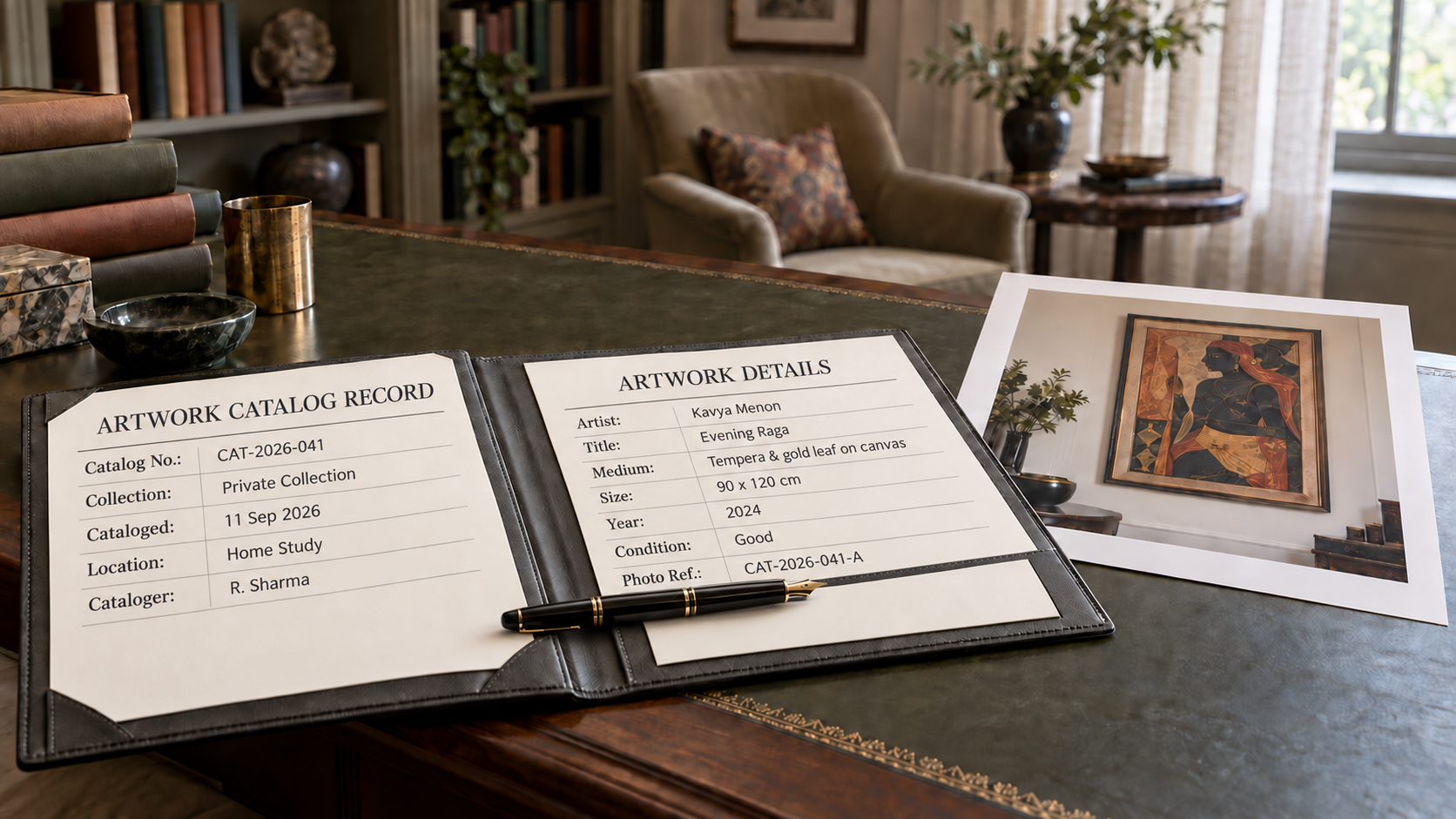
Digital art cataloging is the process of documenting, organizing, and managing a gallery’s collection using digital tools and software. It involves creating comprehensive records of each artwork and storing them in a centralized, searchable, and secure digital environment.
A typical digital art cataloging system will contain:
- Artwork metadata: title, artist, medium, year, dimensions
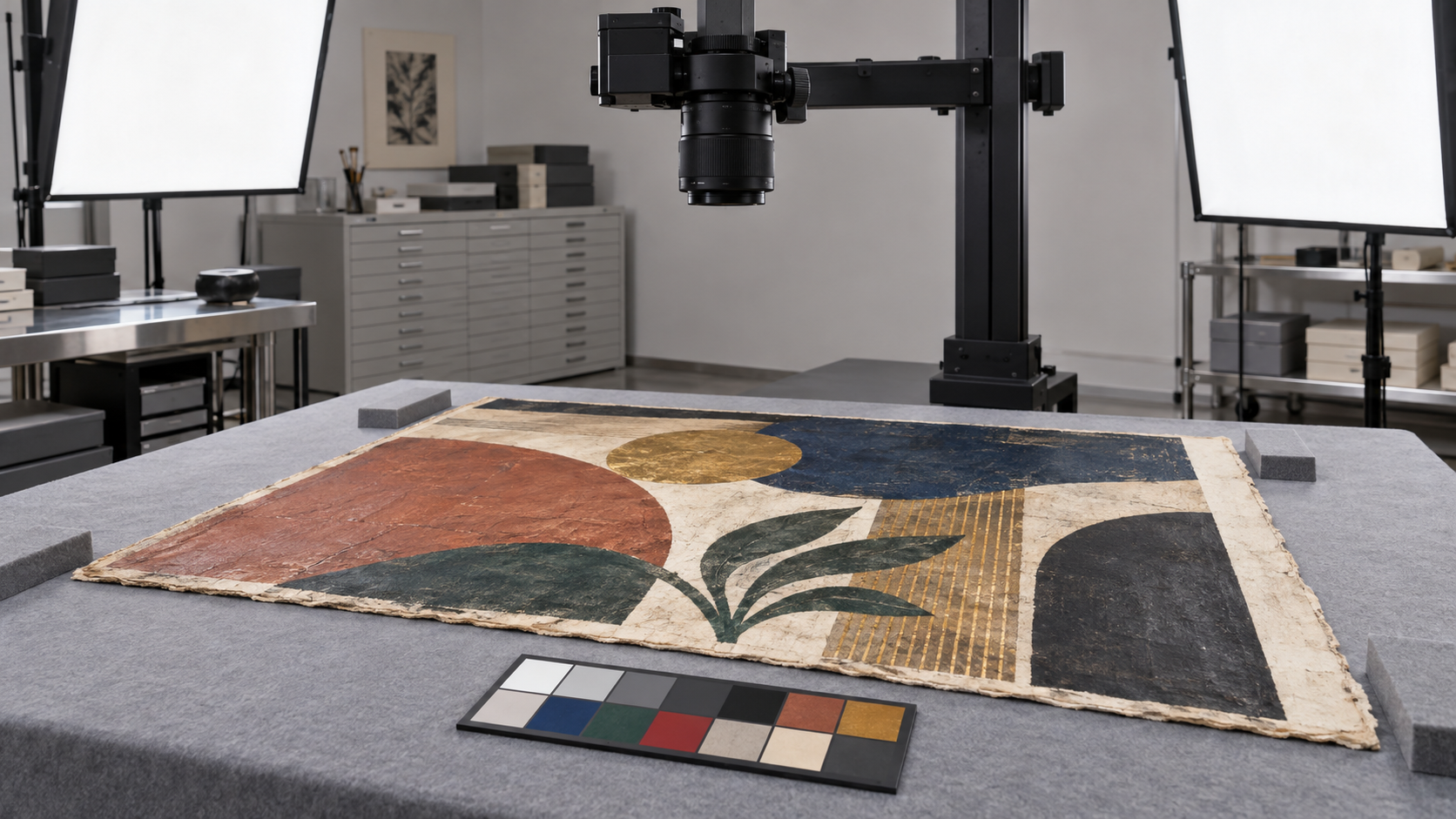
- High-resolution images of the work
- Exhibition history
- Provenance and acquisition records
- Restoration and condition reports
- Location tracking (storage, on loan, on display)
- Valuation and insurance information
These records can be stored in cloud-based databases or proprietary art management software, with permissions for curators, gallery staff, collectors, and even external partners.
By digitizing these processes, galleries ensure consistency, reduce human error, and provide a scalable infrastructure for future growth.
Benefits of Digital Cataloging for Galleries
Digitally cataloging artworks brings tangible benefits to galleries, especially in the areas of operational efficiency, client experience, and institutional credibility.
1. Improved Collection Management
No more sifting through paperwork. With digital tools, a curator can instantly access artwork details, condition reports, or images—saving time and reducing errors.
2. Enhanced Accessibility
Digital records allow gallery staff and even clients to browse artworks from any device. This is especially helpful during remote exhibitions or private sales.
3. Insurance and Risk Management
Accurate, timestamped documentation simplifies insurance processes and supports claims in case of theft, loss, or damage.
4. Better Curation and Research
Searchable digital databases help identify thematic links between works, track artist journeys, or prepare for curated shows with greater ease.
5. Streamlined Sales and Logistics
With up-to-date inventory data, galleries can provide clients, auction houses, and shipping partners with quick, reliable information.
6. Improved Branding and Professionalism
A well-organized digital catalog positions the gallery as future-ready and trustworthy, especially when engaging with international collectors, museums, or partners.
Top Features to Look for in Digital Cataloging Tools
When choosing digital cataloging solutions for your gallery, it’s important to look beyond basic inventory management. The best tools offer features that cater to the unique needs of the art world.
Here are some features to prioritize:
- User-Friendly Interface: Simple navigation and accessibility across desktop and mobile devices.
- Custom Metadata Fields: To allow classification by artist, genre, medium, style, etc.
- Image Upload & Watermarking: High-resolution image support with optional copyright protection.
- Exhibition & Loan Tracking: Record history of where artworks have been displayed or sent.
- Sales & Contact Integration: Tag prospective buyers and maintain sales history.
- Condition Reports: Include updates post-transport or handling.
- Multi-User Permissions: Different access levels for curators, assistants, directors, and collaborators.
- Cloud Backup & Security: Encrypted data with regular backups and remote access.
- Mobile Support: For use during offsite exhibitions or warehouse audits.
- QR Code/Barcode Integration: For tagging and tracking artworks in physical spaces.
These features ensure your catalog is more than just a list—it becomes a dynamic, living system for art management.
Popular Digital Tools Used by Galleries
Globally, several software solutions have gained popularity for digital art cataloging. While some are enterprise-grade platforms, others are ideal for smaller galleries or independent curators.
1. Artlogic
Used by galleries and artists alike, it offers CRM, inventory, website integration, and private viewing rooms.
2. Art Galleria
An all-in-one gallery management platform with a powerful mobile app and client-facing modules.
3. Collector Systems
Popular with museums and institutional clients, it focuses on high security and detailed cataloging.
4. Artwork Archive
Affordable and intuitive—ideal for smaller galleries or private collectors.
5. Vernon CMS
A museum-grade solution for cultural institutions, offering extensive customization.
While international tools are popular, Indian galleries may also benefit from localized solutions that understand the Indian art market’s documentation and regulatory requirements. In such cases, custom cataloging services like those offered by TurmericEarth can tailor a digital system to your operational context.
Challenges and How to Overcome Them
Despite its advantages, transitioning to digital cataloging may bring a few challenges:
❌ Lack of Digital Literacy: Not all gallery staff or curators may be comfortable with software tools.
✅ Solution: Begin with intuitive platforms and offer internal training.
❌ Incomplete Historical Records: Older artworks may lack complete information or provenance.
✅ Solution: Start with what is available and update over time as you gather data from past correspondence, certificates, or dealers.
❌ Budget Constraints: High-end platforms can be costly.
✅ Solution: Opt for tiered pricing models or work with service providers like TurmericEarth who offer scalable cataloging packages suited for Indian galleries.
❌ Data Migration from Legacy Systems: Moving data from old formats (Excel, paper) can be tedious.
✅ Solution: Use service partners for smooth migration, validation, and cleanup.
The key is to start small and expand gradually. Even digitizing 50% of your collection is a huge step forward.
Case Examples: How Galleries Improved with Digital Cataloging
Case 1: Mid-size Gallery in Delhi
A contemporary gallery adopted a hybrid digital catalog to manage over 800 artworks from 60+ artists. This helped them:
- Generate quick client previews
- Prepare for art fairs with digital exports
- Simplify insurance audits
Their sales improved by 15% within a year as they could respond faster to inquiries and track interest more effectively.
Case 2: Regional Art Space in Kochi
With limited budget, this gallery used a customized digital spreadsheet solution with cloud backups and QR-coded labels on storage units. They now have real-time visibility on the location and condition of their inventory across two locations.
These examples show that digital cataloging is scalable and adaptable—whether you’re an emerging gallery or a blue-chip player.
How TurmericEarth Can Help
At TurmericEarth, we understand that every gallery is unique. Our Art Cataloging Services are customized for art institutions, ensuring high-quality documentation and digital readiness.
We offer:
- Complete audit and digital migration of existing records
- Standardized catalog formats aligned with industry best practices
- Cloud-based archives with secure remote access
- Custom templates and reports for exhibitions, sales, or insurance
- QR-enabled cataloging for storage and loans
- Support for legacy digitization (photographs, paper archives)
Whether you need a full-service solution or just help setting up a sustainable cataloging process, we act as your extended team—ensuring your gallery’s collection is organized, accessible, and future-ready.
Checklist to Get Started with Digital Cataloging
Here’s a quick checklist to begin your digital transformation:
✅ List all artworks, including those in storage
✅ Gather certificates, receipts, and provenance documents
✅ Photograph each work in high resolution
✅ Choose a digital platform or consult a cataloging service
✅ Start with your most valuable or active inventory
✅ Establish cataloging protocols for future acquisitions
✅ Assign roles and train staff
✅ Schedule regular audits and updates
Consistency is more important than perfection. Begin with a clear framework, and your catalog will evolve with you.
Conclusion and Call to Action
Digital cataloging is not just a technological upgrade—it’s a strategic move for art galleries that care about longevity, legacy, and professionalism. By adopting the right tools and practices, galleries can operate more efficiently, attract global partners, and preserve their collections with care and confidence.
If you’re ready to transition your gallery toward digital excellence, explore how our Art Cataloging Services at TurmericEarth can support your journey—from audit to archive.