

Art is no longer just a symbol of personal taste or cultural expression in India—it has become a valuable component of family wealth. Across metros and tier-2 cities alike, families are accumulating significant collections of modern, folk, tribal, and contemporary art.
These collections—whether passed down through generations or built over a lifetime—now hold not only sentimental but also financial value. However, when it comes to estate planning, artworks are often overlooked or poorly documented.
The absence of professional cataloging can lead to undervaluation, inheritance disputes, and even loss of assets. As the Indian HNI ecosystem matures, professional art cataloging for estate planning in India is emerging as a key tool to preserve legacy and ensure lawful transfer.
Why Estate Planning Must Include Art Cataloging
Estate planning is the process of determining how an individual’s assets will be managed, transferred, or distributed after death. Just like real estate, jewellery, or stocks, art must be clearly identified, valued, and documented to be included in this process.
Here’s why:
- Art is a High-Value, Non-Liquid Asset
Unlike bank accounts or bonds, artworks often lack ready liquidity or market visibility. Cataloging helps establish verifiable value and ownership.
- Absence of Records Leads to Disputes
Without clear documentation, multiple family members may claim the same artwork, or the art may be excluded from the will due to uncertainty.
- Inheritance Tax Preparedness
As India debates the return of inheritance taxes or wealth disclosure norms, documented art will be easier to declare and process.
- Makes Legal Transfer Simpler
When artworks are properly cataloged and referenced in wills or trusts, executors and lawyers can manage distribution with clarity.
In short, cataloging acts as both a legal safeguard and a relational buffer—reducing ambiguity, preventing future conflict, and preserving the spirit of the inheritance.
Legal and Tax Implications of Undocumented Art
Art ownership in India has unique legal and taxation complexities, especially when the collection is inherited. When artworks are undocumented, families face several risks:
❌ Ownership Disputes
If a collector passes away without recording the pieces owned and their acquisition history, multiple heirs may claim the same artwork—leading to prolonged legal battles.
❌ Tax Underreporting or Penalties
Without formal records or valuation, heirs may misreport asset values—leading to scrutiny from tax authorities and penalties under the Income Tax Act.
❌ Sale Restrictions
When artworks are inherited without provenance or appraised value, they are harder to sell. Reputed auction houses and buyers require documentation for authentication.
❌ Risk of Seizure or Non-Transfer
If artworks are discovered during the estate settlement process without supporting paperwork, they may be treated as suspicious or undeclared wealth under various legal provisions.
By contrast, a professionally cataloged art collection can be seamlessly integrated into a will, a private trust, or a family settlement agreement, supporting both transparency and asset protection.
How Cataloging Supports Fair and Dispute-Free Distribution
Cataloging brings objectivity into what is often a highly emotional process—distributing inherited artworks among family members.
Here’s how it helps:
1. Transparency
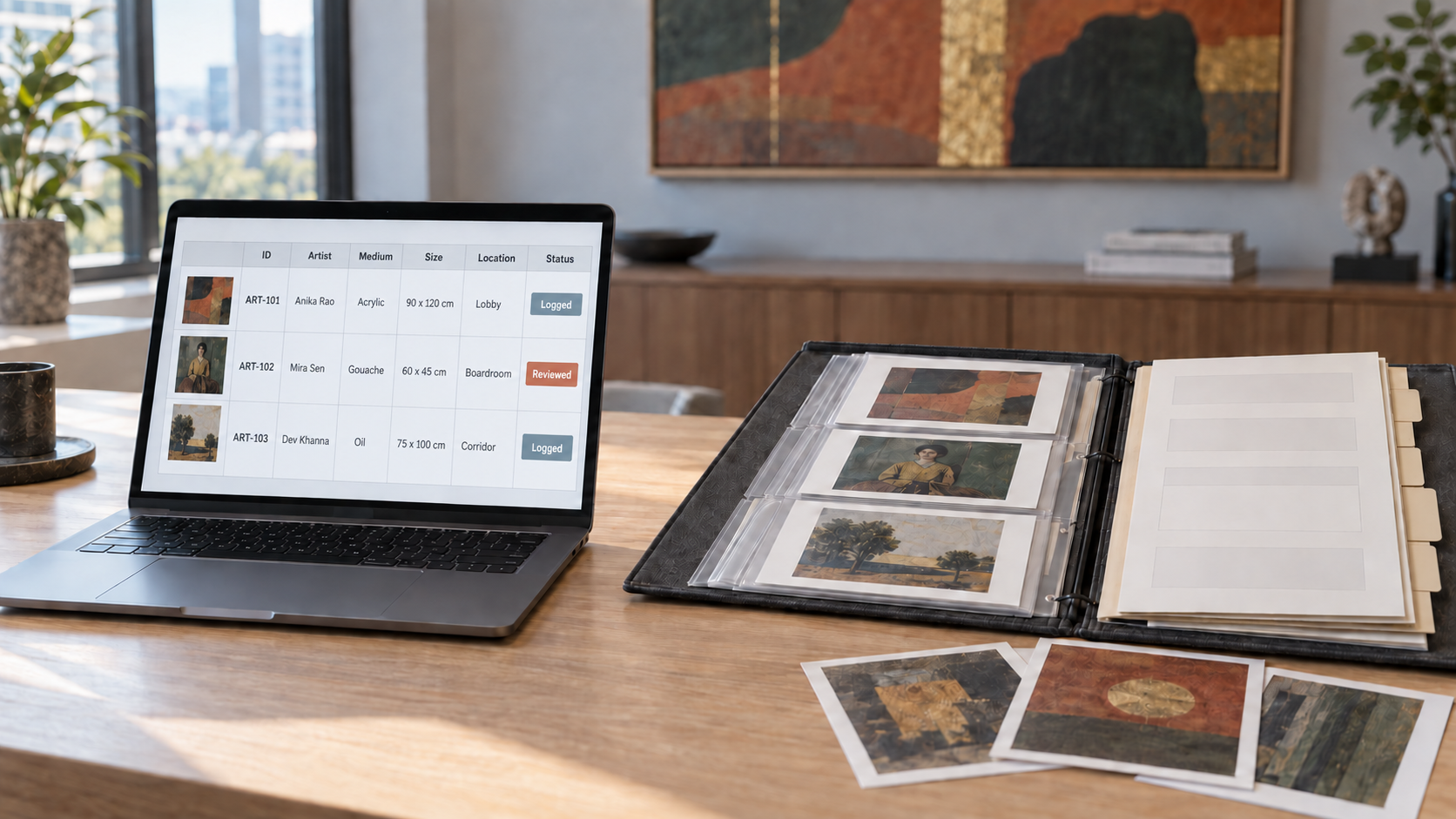
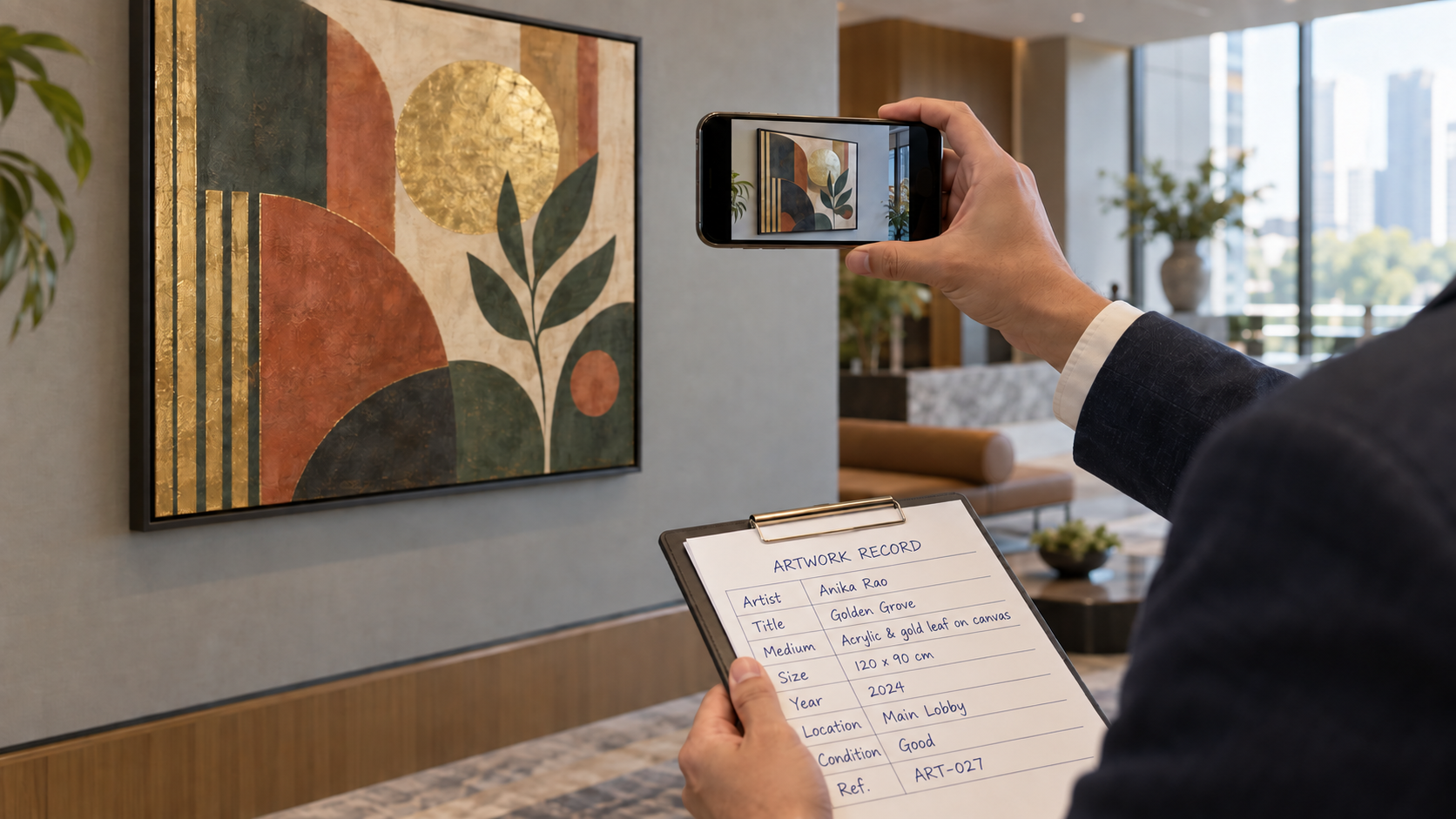
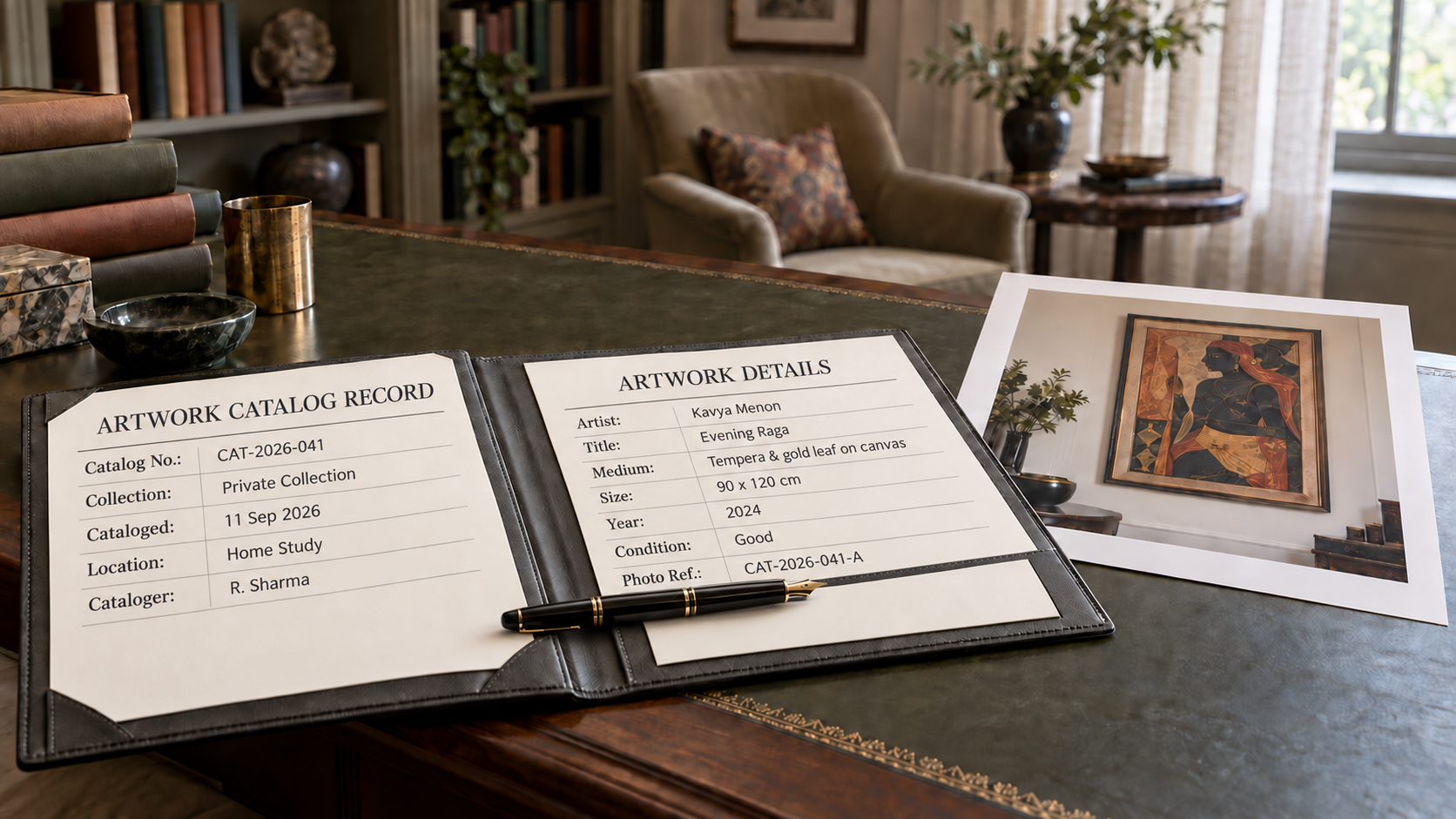
Each artwork is listed with full details—title, artist, value, acquisition records, and location—leaving no room for ambiguity or hidden pieces.
2. Enables Equalization
In cases where artworks vary greatly in value, cataloging helps distribute assets fairly by equalizing based on value rather than quantity.
3. Supports Art Trusts or Foundations
For families choosing to donate or institutionalize their collections, a catalog is the first step in forming a legal and operational framework.
4. Provides Clarity for Executors
Wills often assign artworks “as per the inventory.” A detailed, timestamped catalog simplifies the executor’s job and avoids misinterpretation.
5. Preserves Legacy Intact
Professional cataloging adds context and history to the artworks, allowing future generations to appreciate not just what they inherited, but why it mattered.
Estate Planning Scenarios Where Cataloging Plays a Key Role
Below are real-world situations where cataloging becomes mission-critical:
The Art Collector’s Will
A collector wishes to divide his collection among his two children. Cataloging helps attach a clear index to his will—so that both heirs receive equitable and uncontested inheritance.
Family Disputes Post Demise
A prominent family discovers multiple unsigned artworks after the matriarch’s death. Without a catalog, valuation and authorship remain unresolved, creating legal tension and forced sales at underwhelming prices.
Donation to a Public Institution
A family wants to donate its art collection to a museum. Without documentation, the institution delays acceptance due to authenticity and tax deduction concerns.
Formation of a Private Art Trust
A family office decides to create a private trust for their cultural assets. Cataloging forms the backbone of the trust’s charter, defining asset value and transfer intent.
These scenarios are not rare—and the absence of cataloging magnifies risk.
Common Challenges in Cataloging for Estate Purposes
Estate-focused cataloging requires more care than simple inventorying. Here are the common issues:
❌ Incomplete Paper Trails
Older artworks may lack purchase receipts, artist signatures, or provenance—especially when acquired decades ago.
❌ Emotional Attachment
Family members may resist cataloging efforts due to sentimental value or internal differences about ownership.
❌ Valuation Discrepancies
Different appraisers may give conflicting valuations, leading to confusion or disputes.
❌ Privacy Concerns
Collectors may be wary of sharing full details for fear of attracting scrutiny or unwanted attention.
To navigate this, professional cataloging must be sensitive, confidential, and aligned with both legal and familial priorities—something TurmericEarth specializes in.
Best Practices for Estate-Ready Art Catalogs
To ensure your art catalog supports your estate planning goals, here are some best practices:
- Start Early: Don’t wait until succession planning becomes urgent.
- Use Unique Identification: Catalog numbers, QR codes, or labels on the back of frames.
- Document Everything: Titles, artist info, medium, year, condition, dimensions, value, acquisition method.
- Attach Proof: Receipts, appraisals, images, and provenance notes.
- Maintain Digital and Physical Versions: With version control and password-protected access.
- Consult Legal and Tax Advisors: Align your catalog with your estate plan, trust deed, or family settlement.
- Review Annually: Update values, add new acquisitions, and record movement or restoration changes.
How TurmericEarth Assists in Estate-Focused Cataloging
At TurmericEarth, we bring over a decade of art advisory and archival experience to help families and collectors manage their collections with foresight and precision.
Here’s how we support professional art cataloging for estate planning in India:
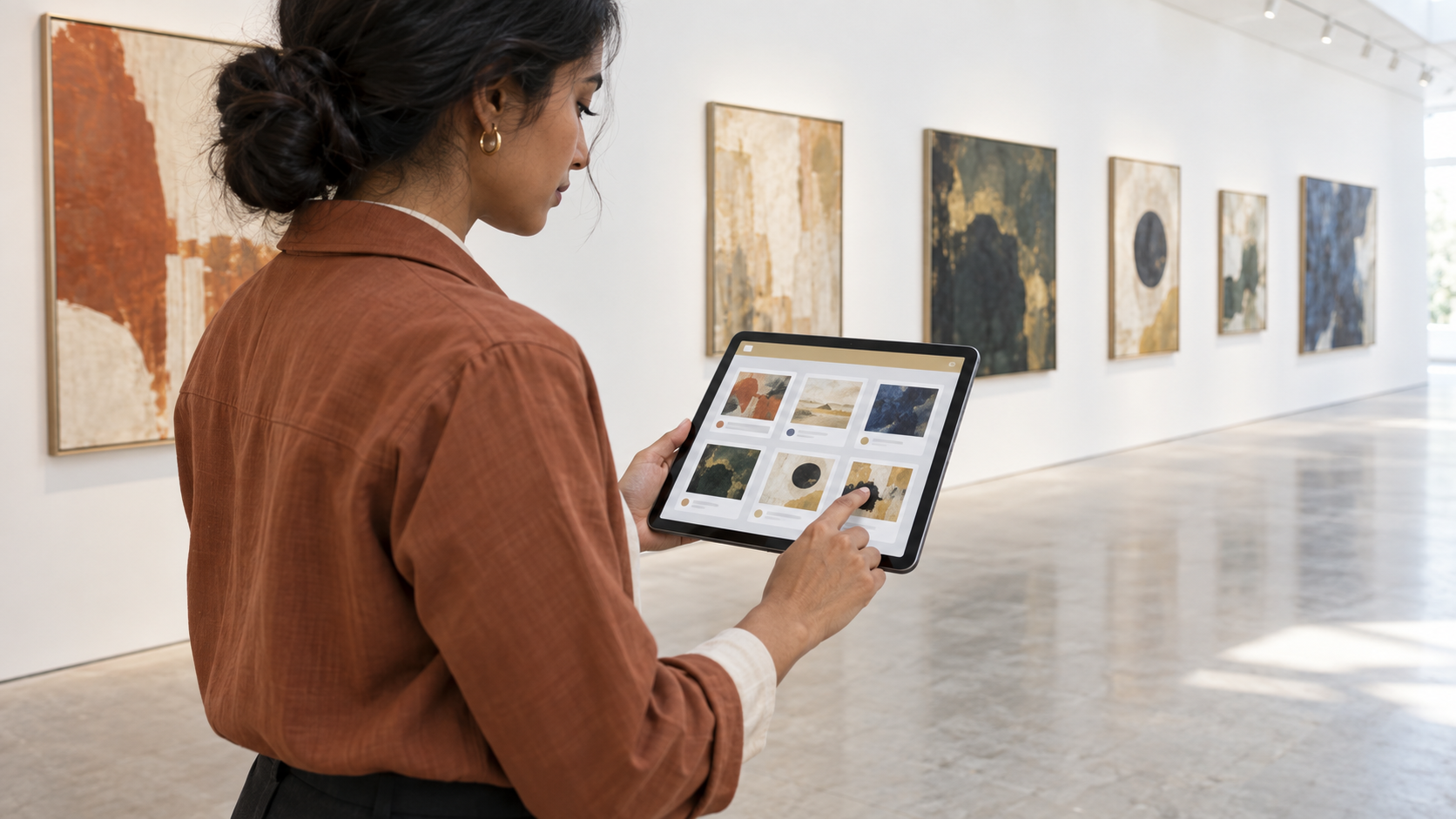
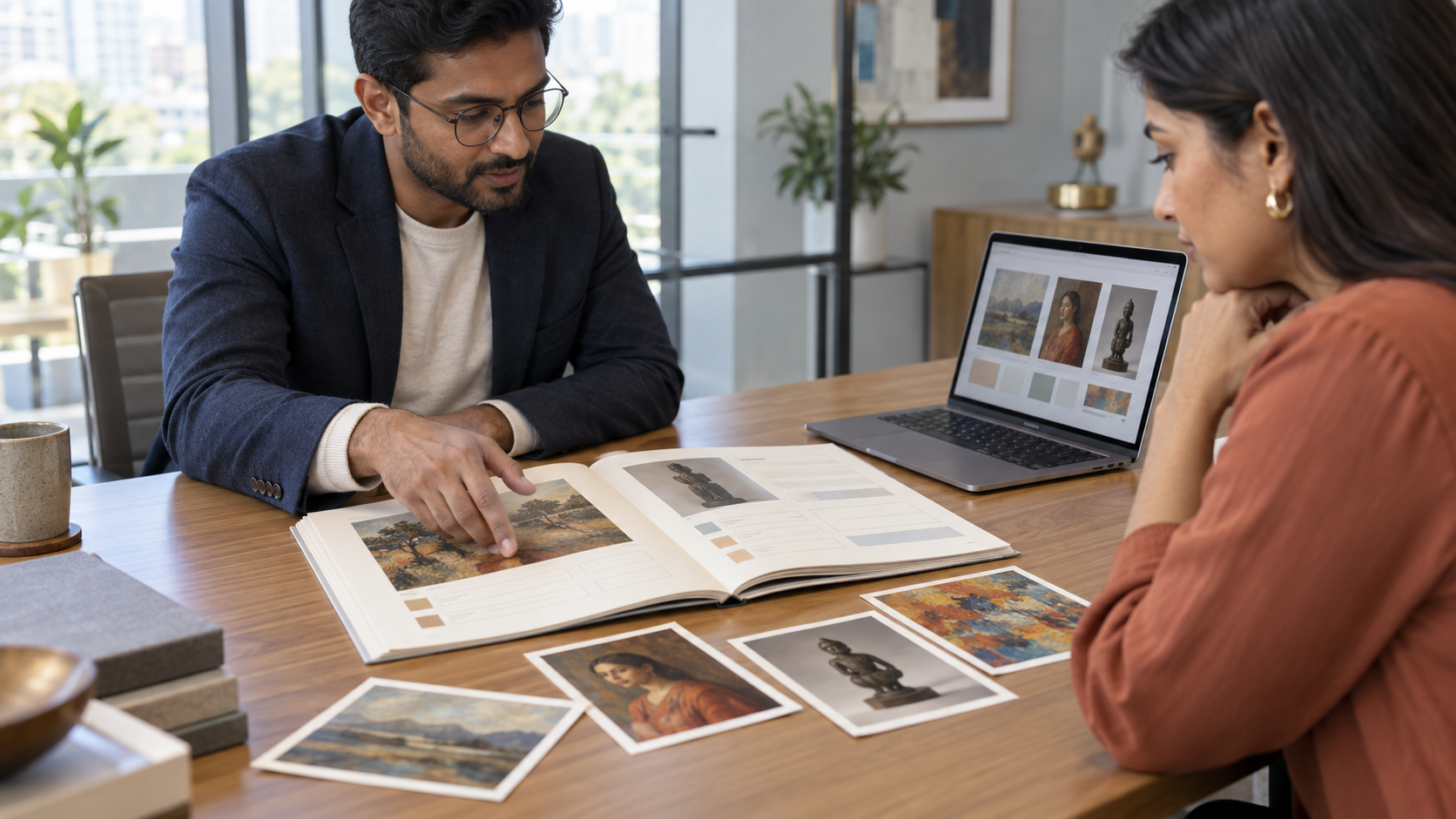
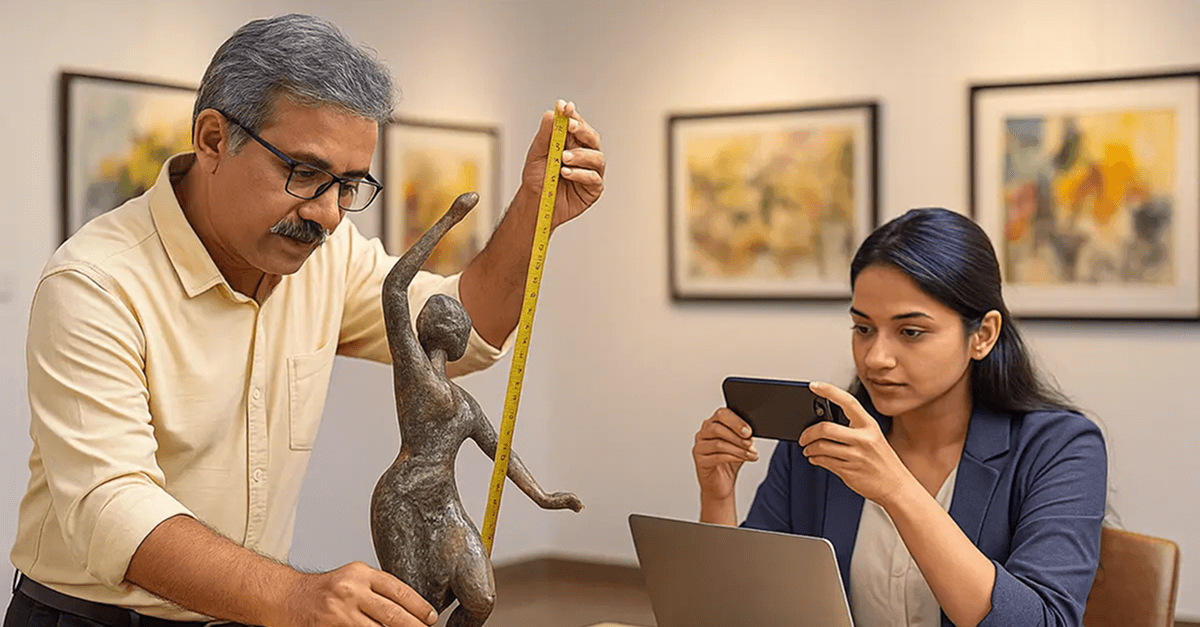
- Comprehensive Artwork Audits: Including storage, display, and remote location inventories.
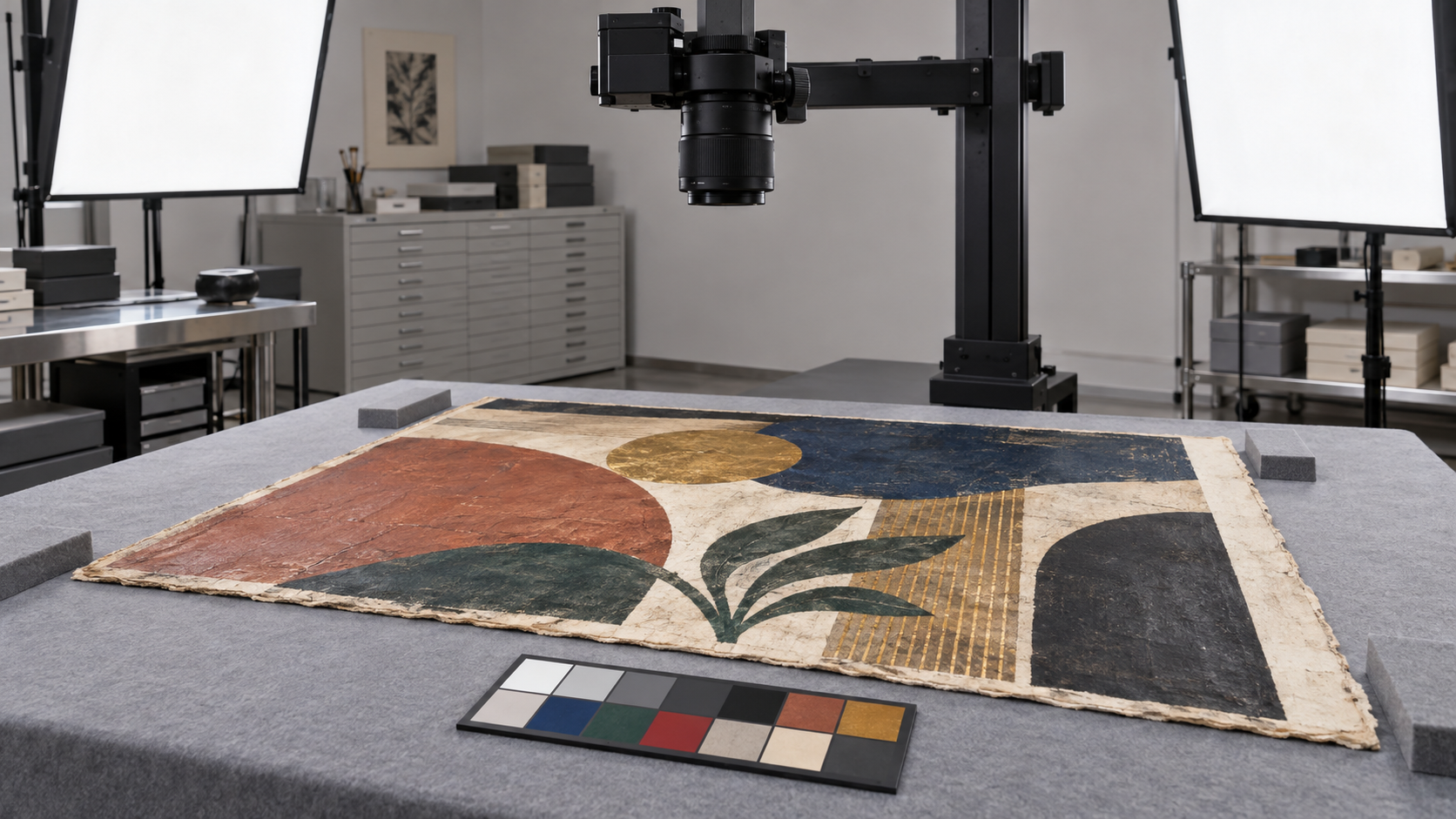
- Documentation Digitization: We scan, archive, and validate all related certificates and invoices.
- Appraisal Facilitation: We work with certified valuers to determine market and replacement value.
- Confidentiality-First Protocols: All data remains secure and shared only with authorized representatives.
- Legacy Reports: Curated narrative reports that contextualize the collection’s significance and family connection.
- Integration with Legal Counsel: We coordinate with estate planners and lawyers to ensure catalogs map directly into your legal documents.
Explore more about our Art Cataloging Services tailored for estate planning.
Checklist for Collectors Preparing for Estate Transfer
✅ List every artwork in your possession
✅ Include location details (home, storage, alternate property)
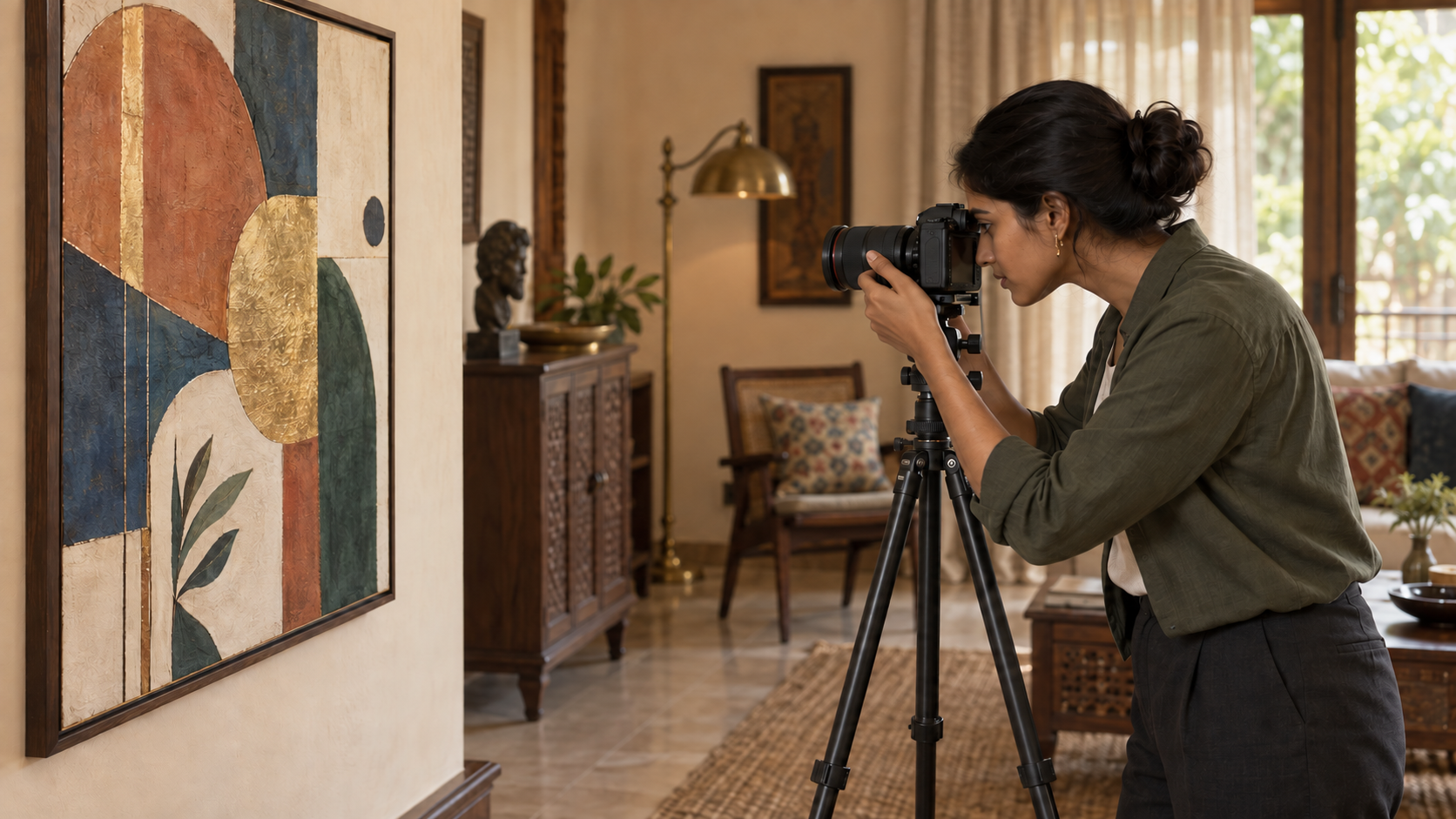
✅ Add photographs and artist details
✅ Document acquisition source and approximate year
✅ Record present condition
✅ Attach valuation or appraisal (latest or original)
✅ Store securely, both physically and digitally
✅ Share with executor, lawyer, or estate planner
✅ Update with new purchases or transfers
✅ Consider converting to a family trust or institutional donation
Conclusion: Secure Your Legacy with Professional Cataloging
Art carries more than aesthetic value—it holds stories, relationships, heritage, and often, significant monetary worth. Without documentation, these values risk becoming fragmented, contested, or lost.
Professional cataloging ensures that your art collection transitions smoothly through generations, honors your intentions, and shields your family from avoidable disputes. It’s not just about what you own—it’s about what you leave behind.
If you’re planning for your family’s future, let TurmericEarth guide your art collection into a new phase of certainty and care. Learn more about our Art Cataloging Services designed for estate preservation and legacy building.