

By now, if you've read our other pieces on office art maintenance, you know the basics: dust the frame, don't touch the surface, watch for environmental damage. The harder question is the one those checklists can't fully answer in the moment — is this specific situation something facilities can handle, or does it need a professional? Here's a clear way to draw that line, plus what actually happens once you make the call.
The Quick Test
If what you're looking at involves the artwork's actual surface, structure, or materials in any way beyond routine dusting — cracking, flaking, tears, water damage, mould, a loose or separated frame, discolouration, or anything that's visibly changed since your last check — the answer is: call a conservator, don't attempt it yourself. If it's purely about positioning, the surrounding environment, or the frame's exterior, facilities can usually handle it. When you're genuinely unsure which category something falls into, the safer default is always to ask first rather than act first.
Situations That Are Genuinely Facilities' to Handle
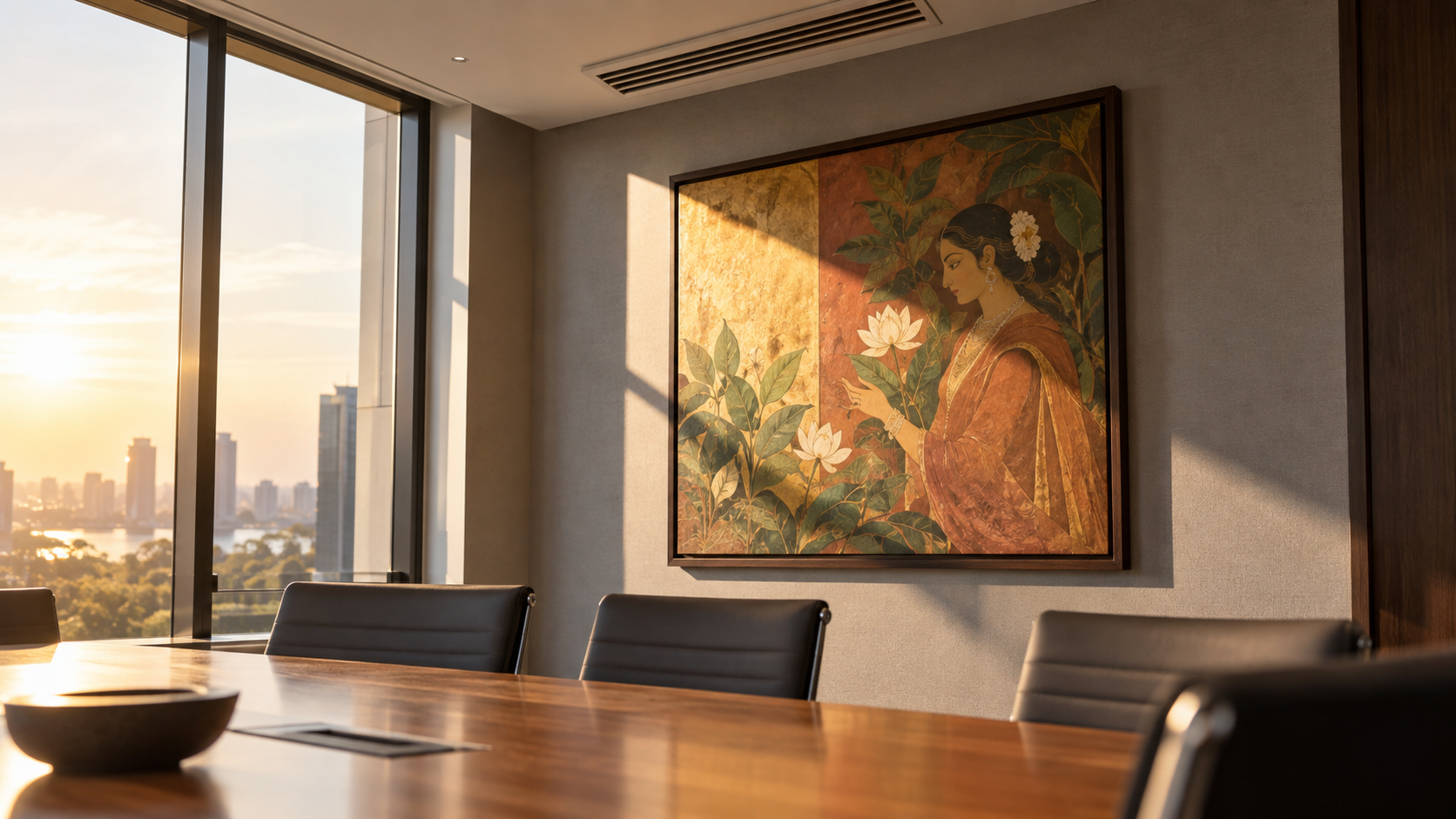
- Adjusting a piece's position away from sunlight or an AC vent
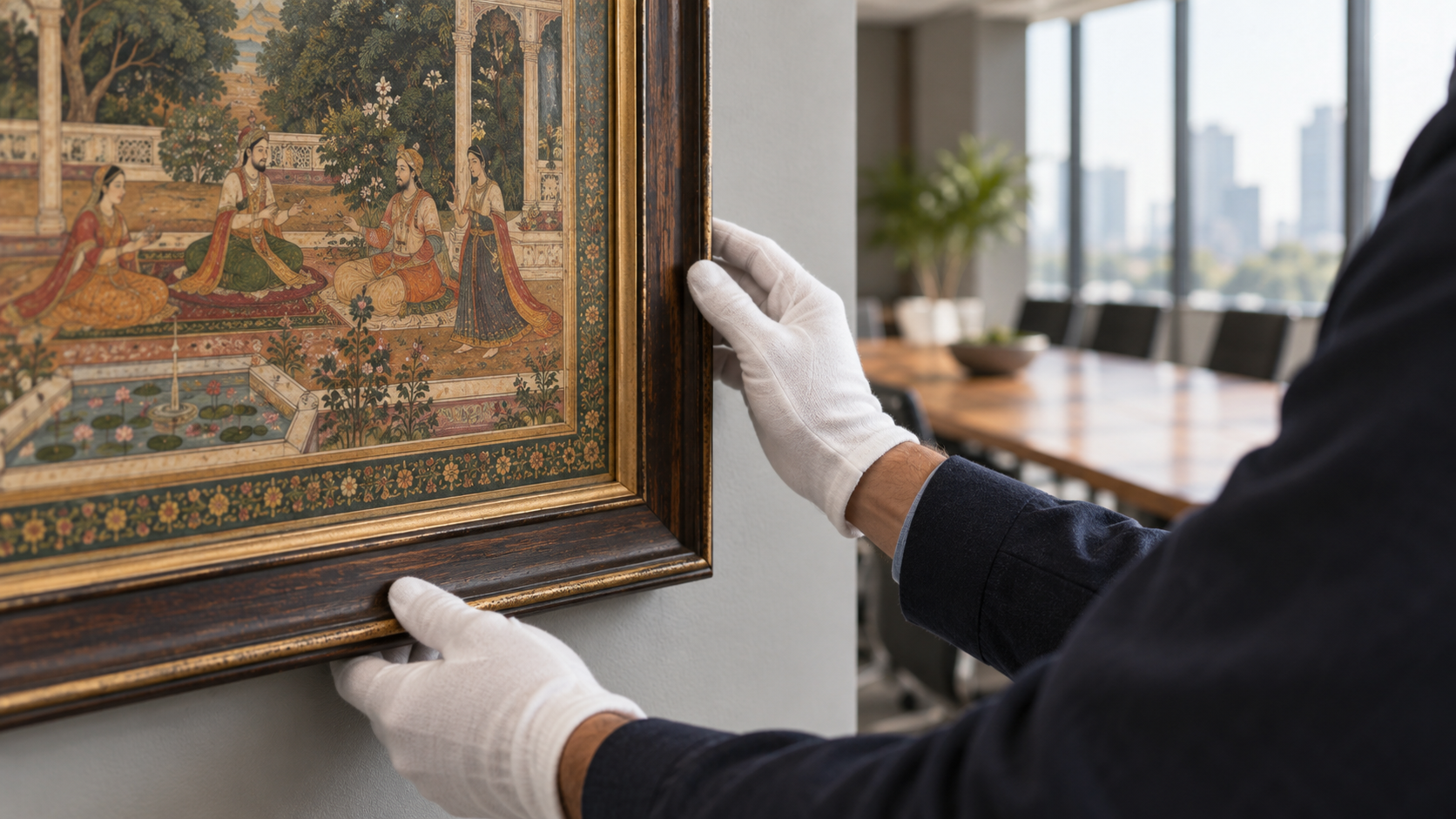
- Checking and tightening hanging hardware
- Dusting a frame with a soft, dry cloth
- Logging a noticed change for follow-up
- Coordinating a professional's visit — scheduling, access, and paperwork
Situations That Need a Conservator — No Exceptions
- Any tear, crack, flaking, or loss of paint or material
- Water damage or mould, even if it looks minor
- A piece that's come loose from its frame or stretcher
- Discolouration or a visible change since the last inspection, with no obvious external cause
- Any piece involved in an accident — dropped, struck, or exposed to fire, smoke, or water
- Before any major relocation of a valuable or fragile piece
Emergencies vs. Non-Emergencies
It's worth distinguishing active, ongoing damage from a static issue you've simply noticed. Active damage — water still touching a piece, visible mould that's spreading, a piece that's fallen — needs an immediate response: stabilise the situation if it can be done without touching the damaged surface further (moving the piece away from an active hazard, or containing a leak), and call a conservator the same day. A static issue noticed during a routine check, with nothing actively worsening, can be logged and addressed on a normal timeline. Knowing which situation you're in changes the urgency — it doesn't change the fundamental answer, which is still to call a professional either way.
What to Expect Once You Call a Conservator
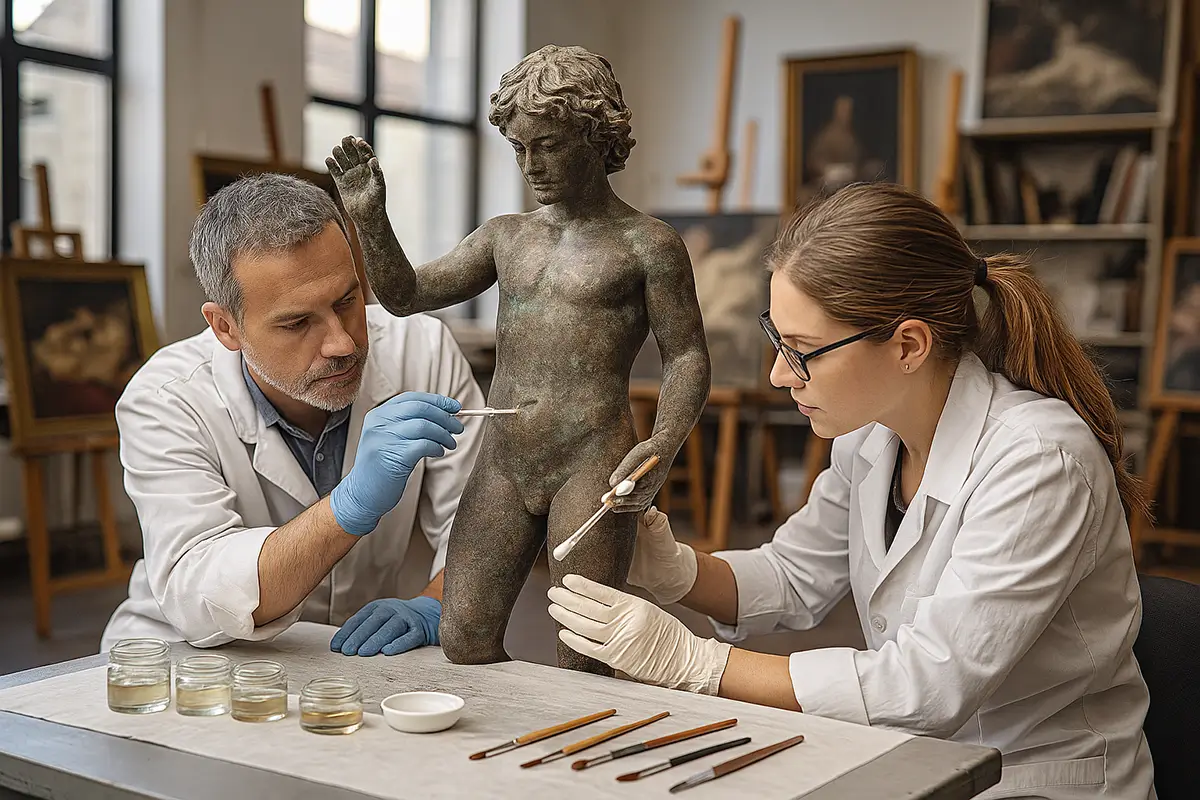
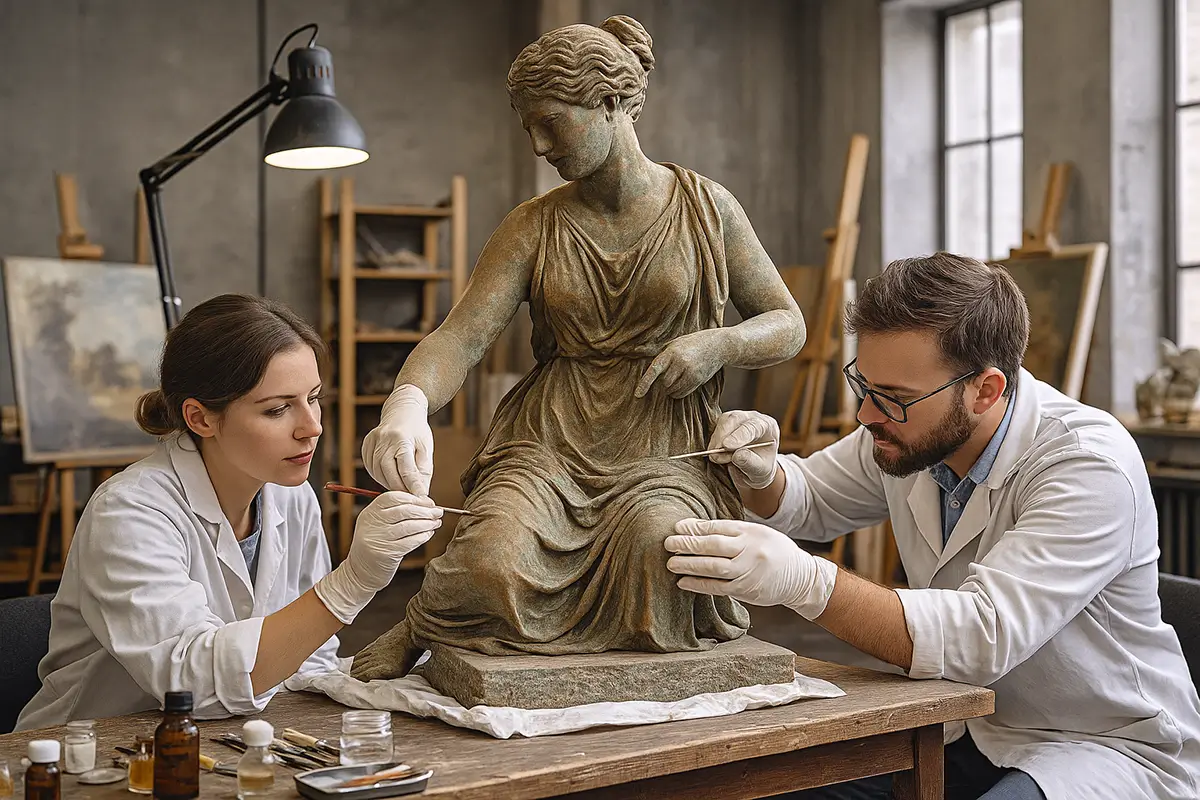
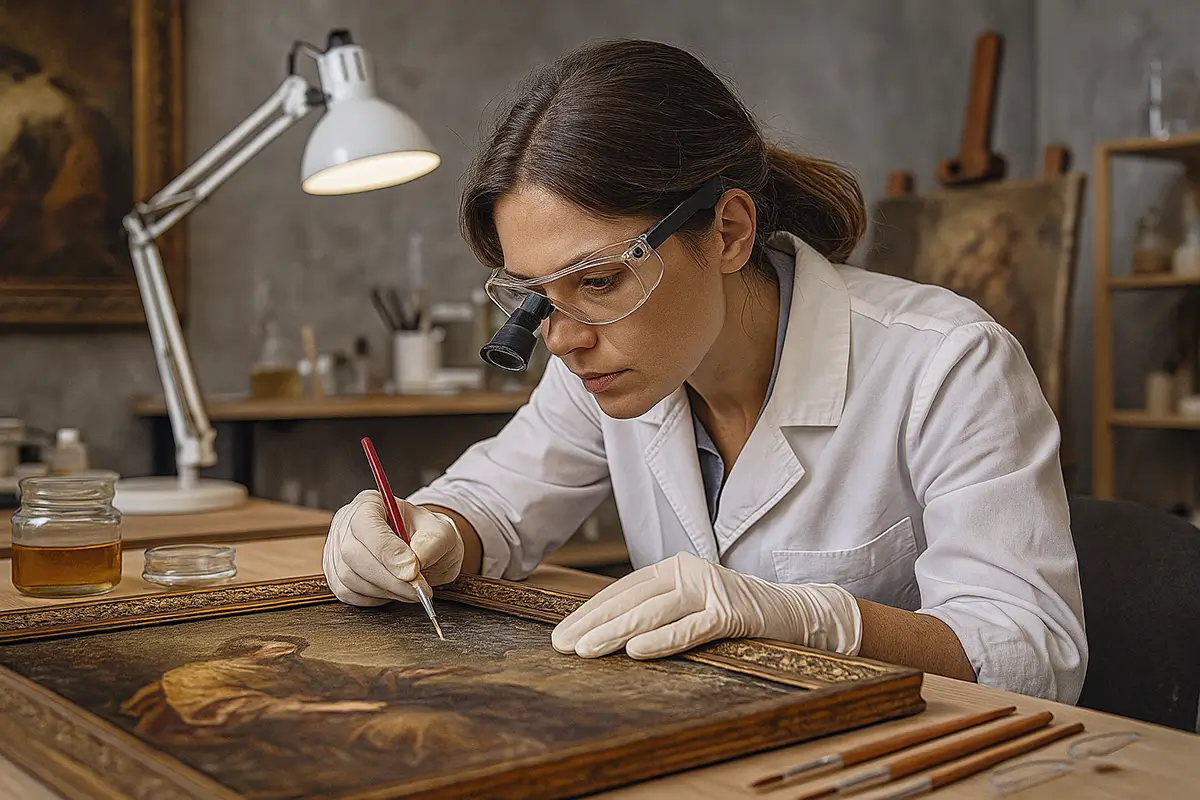
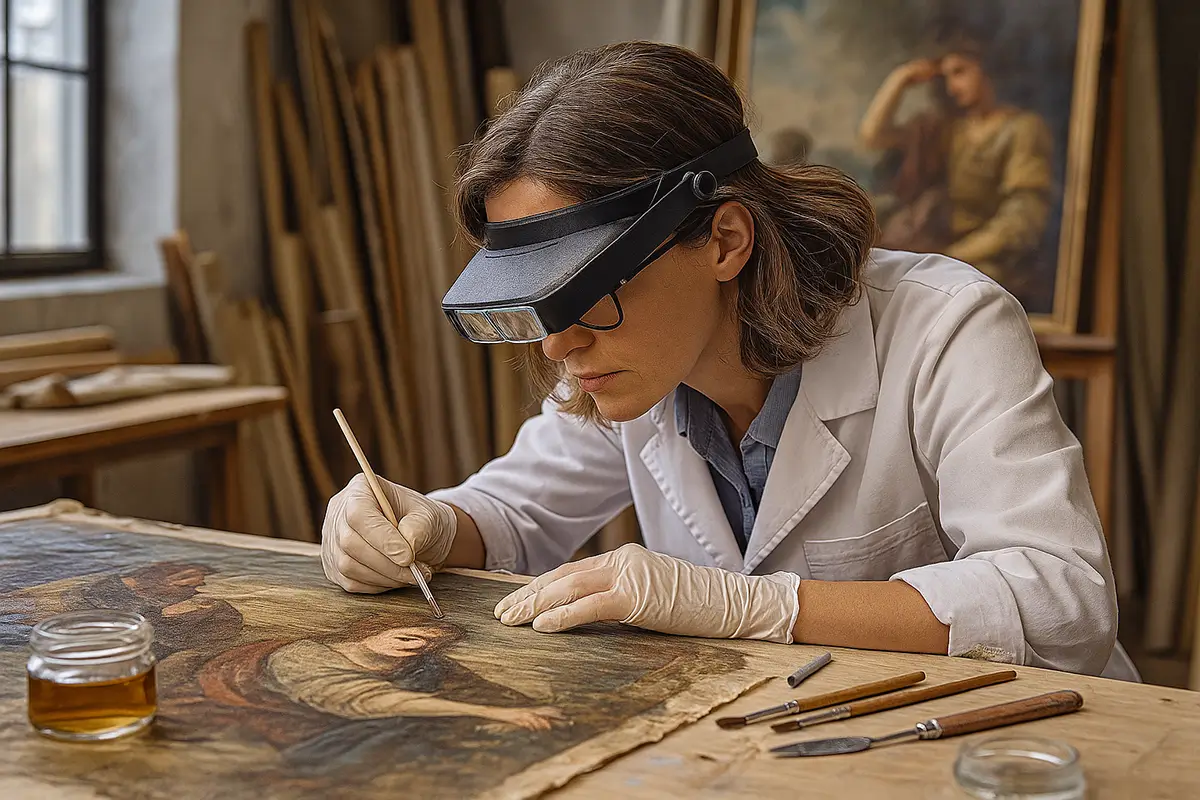
The typical process starts with a description and photographs shared remotely, followed by an in-person assessment. A written condition report and treatment recommendation should come before any actual work begins, along with a cost estimate. For anything insured, the documentation produced along the way should be suitable to support a claim. Facilities' role at this stage is mostly coordination and access — arranging the visit, providing background on the piece and its history — rather than technical decision-making, which is exactly the point of bringing in a specialist.
How to Find a Credentialed Conservator in India
Look for clearly stated training and qualifications, and ask for examples of past work involving materials or periods relevant to your piece — conservation expertise, like valuation expertise, doesn't transfer evenly across every type of art. Ask how they document condition and treatment; it should be thorough, photographic, and written, not just verbal reassurance. And for higher-value pieces, it's worth checking whether the conservator works alongside, or refers to, registered valuers when a formal valuation is also needed — conservation and valuation are related but genuinely separate disciplines, and a conservator who understands that distinction is usually a good sign.
How Turmeric Earth Helps
From an initial phone or photo assessment through full treatment, our conservation team is a straightforward first call for exactly these situations — including genuine emergencies, where getting a fast, informed read on what's actually happening matters more than anything else.
Learn more about our conservation process → turmericearth.com/art-conservation-restoration
The offices that handle these moments best aren't the ones that never see damage — every collection eventually does. They're the ones where facilities already knows exactly where the line sits, and doesn't hesitate to make the call once it's crossed.
Frequently Asked Questions
A few questions we hear often on this topic:
Q: What if we're not sure whether something is “damage” or normal aging?
When in doubt, treat it as worth a conservator's opinion — a quick photo and description is usually enough for an initial read, and it costs nothing to ask.
Q: Is it ever okay to attempt a quick fix ourselves while waiting for a conservator?
No — even a well-intentioned quick fix can make professional treatment harder or more expensive later. It's almost always better to leave a damaged piece untouched until a conservator has assessed it.
Q: How fast can a conservator typically respond to urgent damage?
This varies by conservator and location, but most can offer at least a remote initial assessment quickly, with an in-person visit following based on urgency.
Q: Does calling a conservator mean the piece will need expensive restoration?
Not necessarily — many assessments conclude that preventive measures or minor treatment are enough. Calling early, before an issue worsens, often keeps the eventual work smaller and less costly.
Q: Can Turmeric Earth assess a piece remotely first, before an in-person visit?
Yes — a photo and description is typically the first step, helping determine urgency before scheduling an in-person assessment.