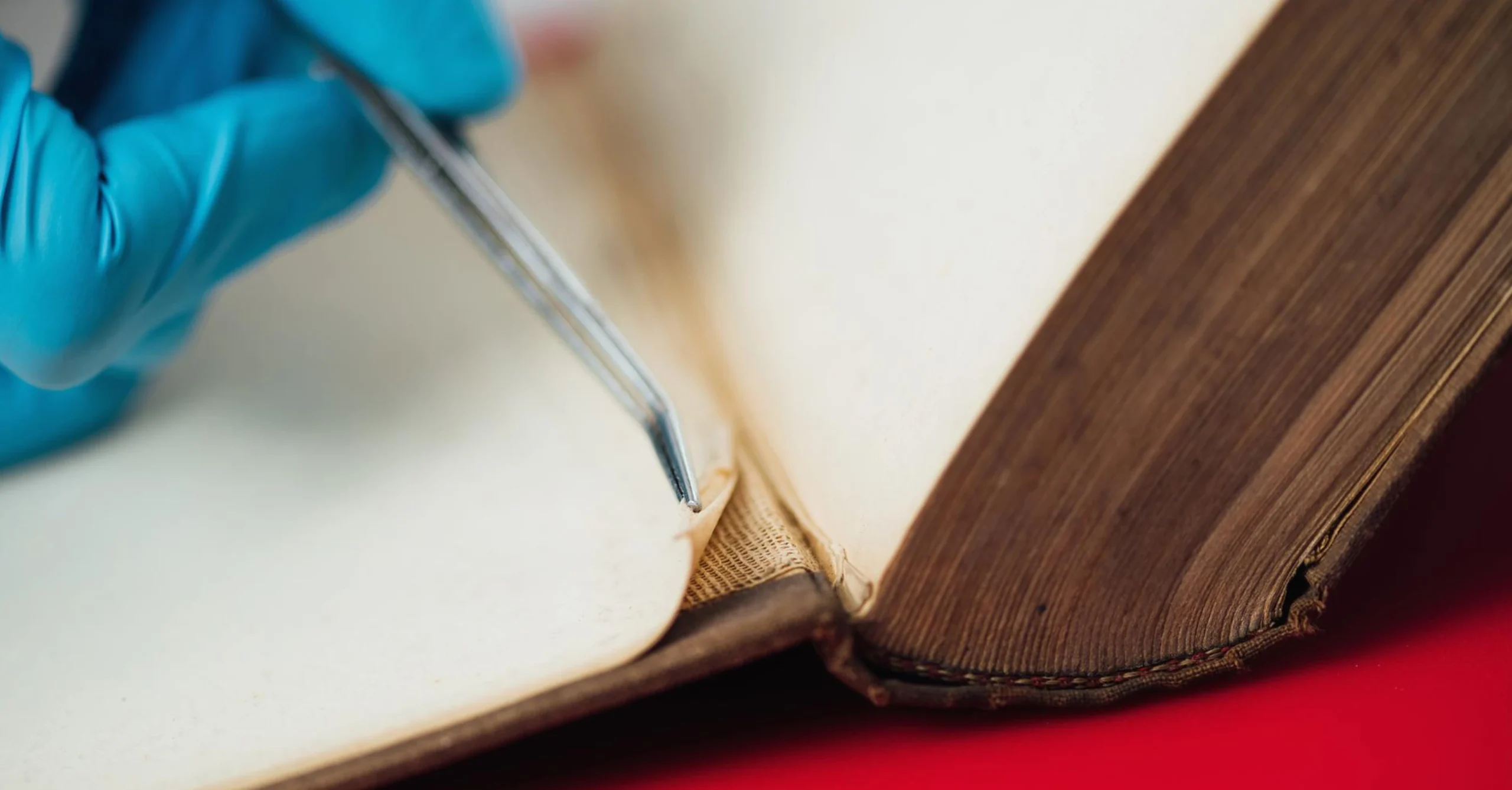


Most damage to office art doesn't come from a dramatic accident. It comes from years of well-intentioned but incorrect handling — the wrong cleaning cloth, direct sunlight nobody thought to block, a painting rehung slightly too close to an AC vent. None of this requires a conservator's training to prevent. It requires knowing a short, specific list of dos and don'ts. Here's what facilities teams can safely handle themselves, and where the line is before you risk making things worse.
The Golden Rule: When in Doubt, Don't
Before the specifics, one principle that resolves most edge cases: if you're not certain an action is safe for a particular piece, don't do it — leave it and ask. Art materials vary enormously (oil paint, watercolour, works on paper, textiles, sculpture in different materials), and what's harmless for one can damage another.
Consider a common instinct: noticing a light film of dust or a smudge on a painting's surface and reaching for a glass-cleaning spray, the same one used on the windows nearby. On glazed prints behind glass, that's usually harmless if kept off the frame's edges. On an unvarnished oil surface, the same spray can strip or discolour paint permanently, sometimes within seconds. The visual difference between these two surfaces isn't always obvious to someone who isn't looking for it — which is exactly the kind of judgment call worth leaving to a professional.
What's Generally Safe for Facilities to Do
A short list of maintenance tasks that are broadly low-risk across most office pieces. None of these require special training — they're closer to routine office housekeeping than art conservation. The key is treating them as observation and light upkeep only, never as an invitation to go further:
- Dusting frames — not the artwork surface itself — with a soft, dry, lint-free cloth
- Checking that hanging hardware is secure during routine facilities walkthroughs
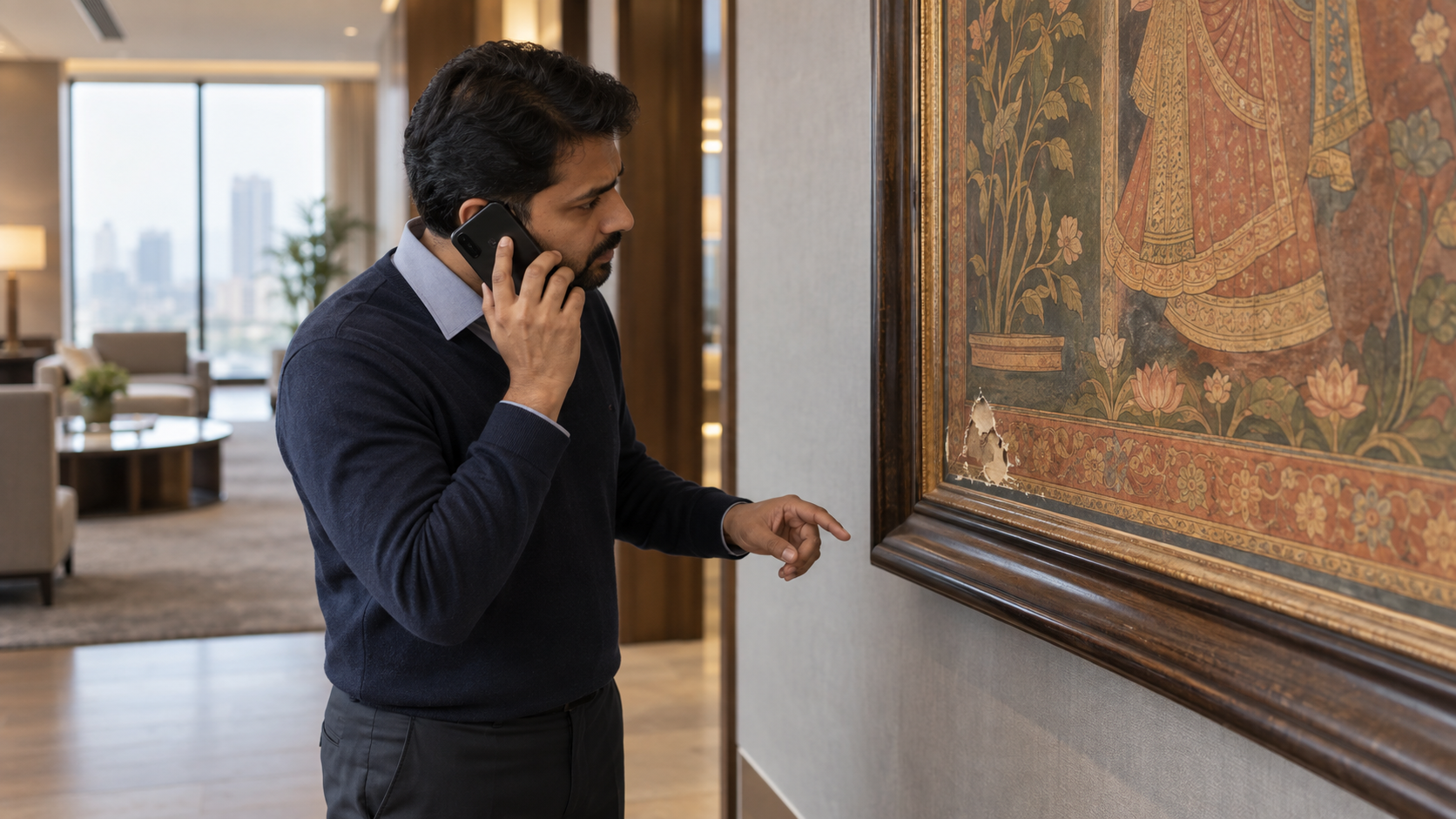
- Monitoring for visible changes — flaking, discolouration, warping, mould — and logging them, not treating them
- Keeping the surrounding area clean and free of moisture sources
- Adjusting blinds or curtains to reduce direct sunlight exposure on a piece
- Notifying building management of any HVAC changes near where art hangs
What Facilities Should Never Attempt
A shorter, more important list — things that feel like reasonable maintenance but carry real risk of permanent damage:
- Cleaning the artwork's actual surface with any liquid, household cleaner, or glass cleaner — including on the artwork side of a frame's glazing
- Attempting to flatten, re-stretch, or re-glue anything that's come loose
- Removing a piece from its frame to “take a closer look” or move it more easily
- Using tape, adhesive hooks, or pins directly on or near the artwork surface
- Storing or leaning pieces face-to-face, or stacking anything on top of a stored piece
- Attempting to remove stains, marks, or otherwise “improve” the appearance of a piece
- Relocating a valuable or fragile piece without the padding, wrapping, and handling technique a professional mover would use
If any of this list feels obvious once written down, that's the point — the risk isn't that facilities teams don't understand art, it's that these actions look like ordinary good housekeeping until you know they aren't. A rushed office-move relocation, in particular, is one of the most common causes of preventable damage we see.
The Environment Matters as Much as Handling
A meaningful share of office art damage isn't caused by anyone touching anything — it's the slow result of sunlight, humidity swings, and heat sources a piece sits near every day without anyone noticing.
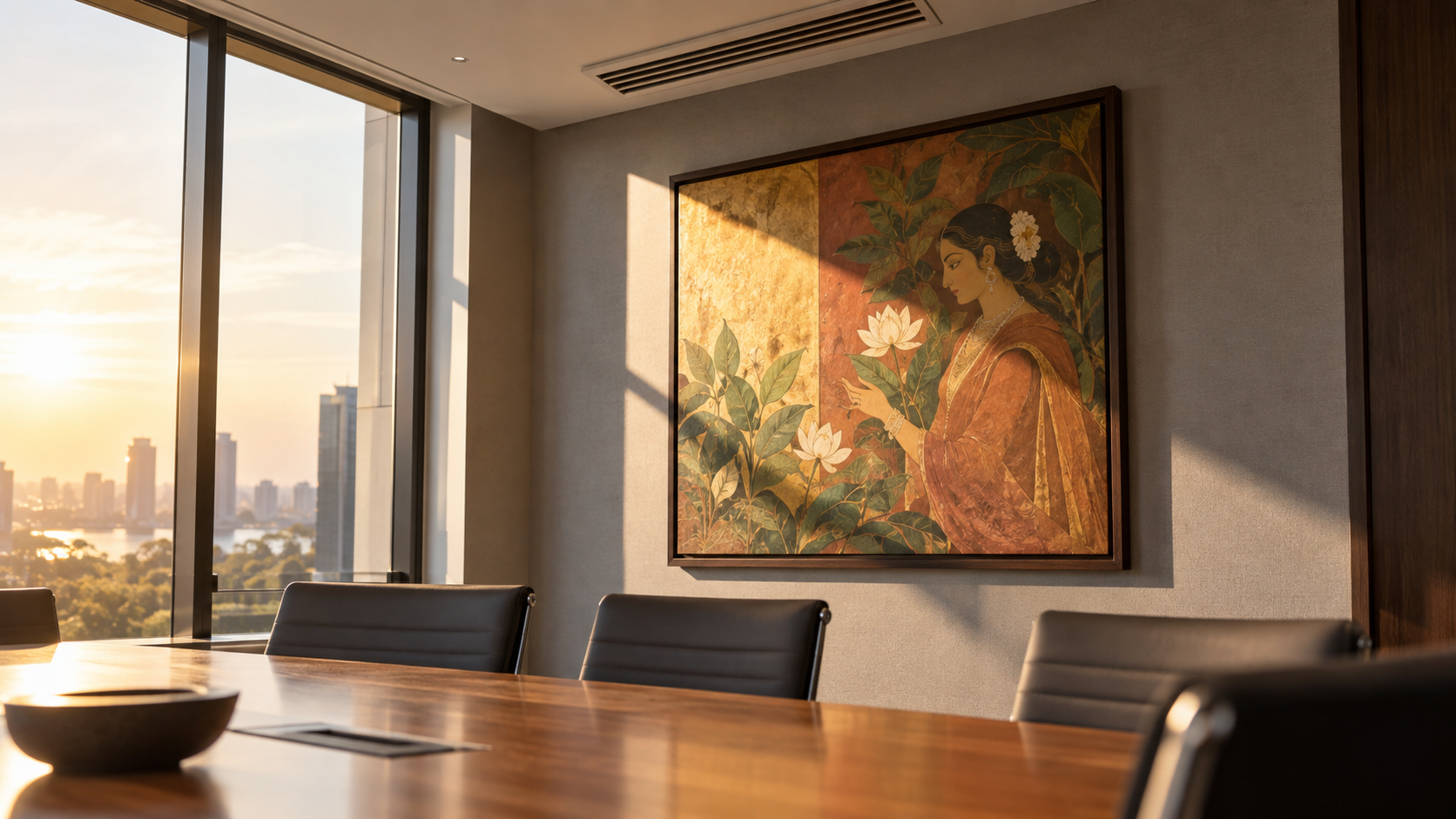
A painting hung opposite a window that gets strong afternoon sun for a few hours a day can show visible fading within a few years — long before anyone connects the change to the window. Similarly, a piece hung directly above an AC vent experiences constant temperature and humidity swings every time the system cycles, which is a slow but real stress on both canvas and frame. We've written a separate, detailed piece on exactly how office lighting, air conditioning, and humidity affect art, and what facilities teams can adjust — it's worth reading alongside this checklist, since prevention here does more good than any amount of careful handling after the fact.
Building a Simple Maintenance Routine
Most offices don't need a formal conservation programme — they need a short, repeatable routine. A practical version: a quarterly visual walkthrough of every piece, checking for the changes listed above, which can simply piggyback on facilities' existing walkthroughs rather than becoming a separate task; a note logged against the piece in your office catalog (see our related checklist for cataloging office collections) any time something looks different; a fixed point of contact — internal or an outside conservator — for anything beyond routine dusting; and a rule that any relocation, however minor it seems, gets planned rather than done on the spot during a busy moving day.
When to Call a Professional
If you notice flaking paint, tears, mould, warping, discolouration, or any change since the last check, that's the point to stop and call a conservator rather than continue monitoring. The same goes before any major move or renovation involving valuable pieces. We've written a fuller guide to exactly where that line sits — for now, the short version is: routine dusting and visual checks are yours to own; anything involving the artwork's actual surface, structure, or a real change in condition is not.
How Turmeric Earth Helps
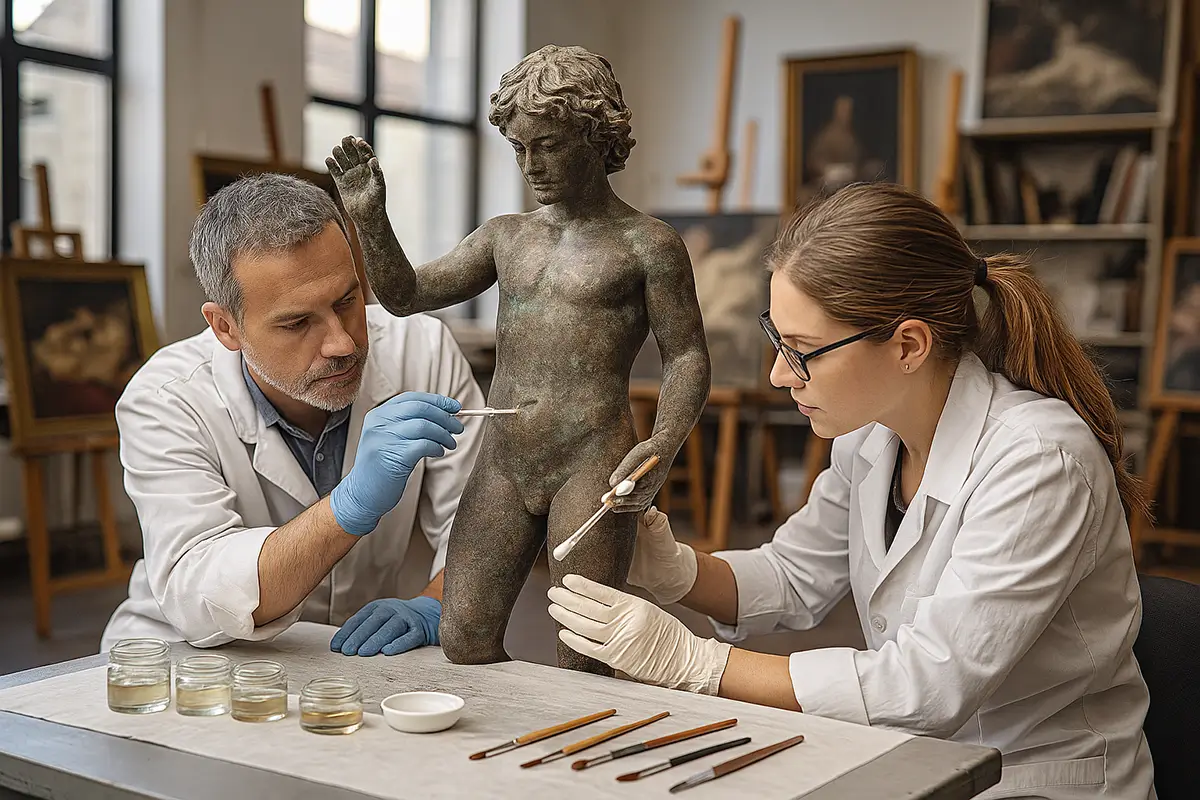
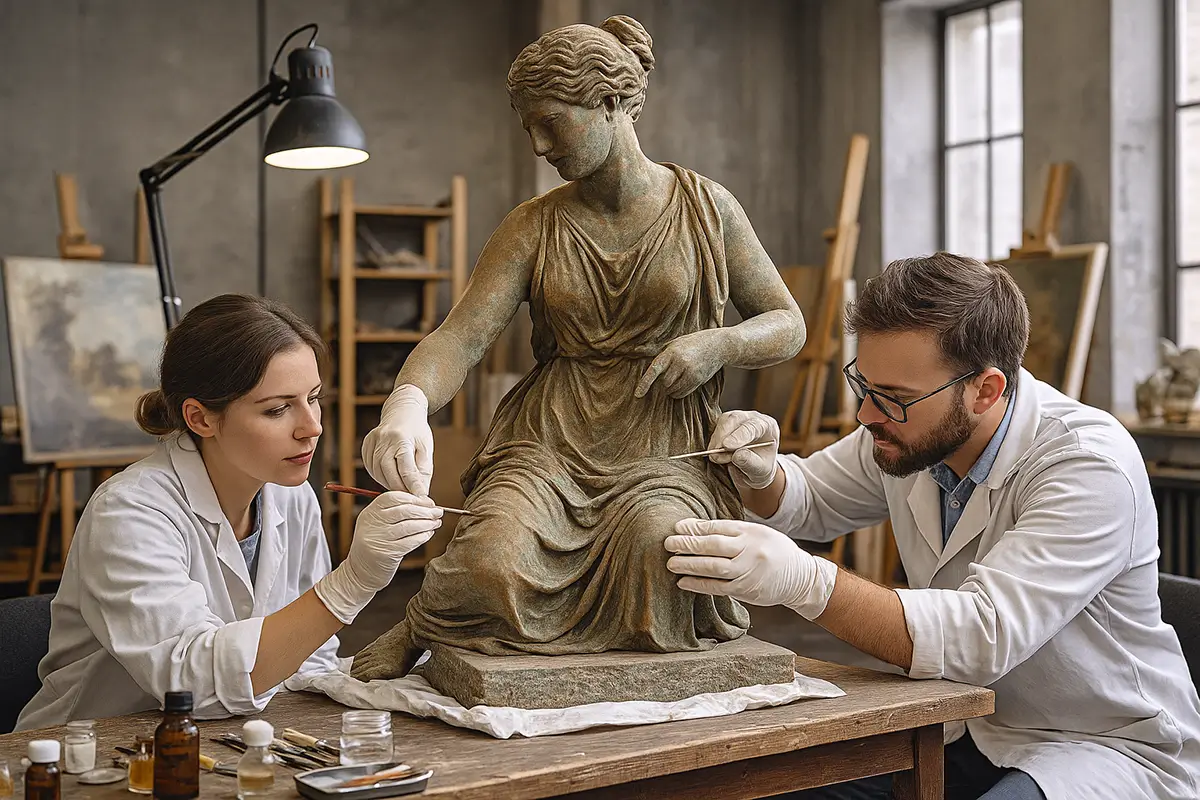
Where a piece needs more than routine care, our conservation team handles everything from preventive assessments to full restoration, using scientific, reversible techniques suited to each piece's specific materials. If your facilities team wants a baseline health check across the whole office collection — a good starting point before any of this becomes urgent — that's a straightforward first step to arrange.
Learn more about our conservation process → turmericearth.com/art-conservation-restoration
The office pieces that stay in the best condition over decades usually aren't the ones that get the most attention — they're the ones where a few consistent, low-risk habits are followed reliably, and everything else is left to a professional the moment something looks different.
Frequently Asked Questions
A few questions we hear often on this topic:
Q: Can facilities staff safely dust office artworks?
Dusting the frame with a soft, dry cloth is generally safe. Cleaning the artwork surface itself — with any liquid or cleaner — is not something facilities staff should attempt; that's a conservator's work.
Q: What's the most common cause of office art damage?
In our experience, it's rarely a single dramatic incident — it's cumulative exposure to sunlight, humidity swings, or heat, combined with well-meant but incorrect handling during office moves.
Q: How often should office art be inspected?
A quarterly visual walkthrough is a reasonable routine for most office collections, with an immediate check any time something looks visibly different.
Q: Is it safe to move artwork ourselves during an office relocation?
For anything valuable or fragile, we'd recommend professional art handling rather than a general office move — rushed, unpadded relocation is one of the most common causes of preventable damage.
Q: What should we do if we notice damage?
Stop, don't attempt to fix it yourself, and contact a conservator. Document the change with a photo and a note in your catalog in the meantime.
Q: Does Turmeric Earth offer preventive check-ups, not just restoration after damage?
Yes — preventive assessments are often the most cost-effective starting point, catching small issues before they become significant restoration projects.