

As valuation standards continue to evolve, 2026 calls for a more proactive approach to art valuation.
Rather than reacting to insurance requests or regulatory triggers, collectors and organisations can benefit from preparing in advance—by strengthening documentation, clarifying purpose, and engaging professional expertise.
This article outlines practical steps to take, risks to watch out for, and common mistakes to avoid.
Things to Do Before Getting Art Valued
Preparation significantly improves valuation outcomes.
Recommended steps include:
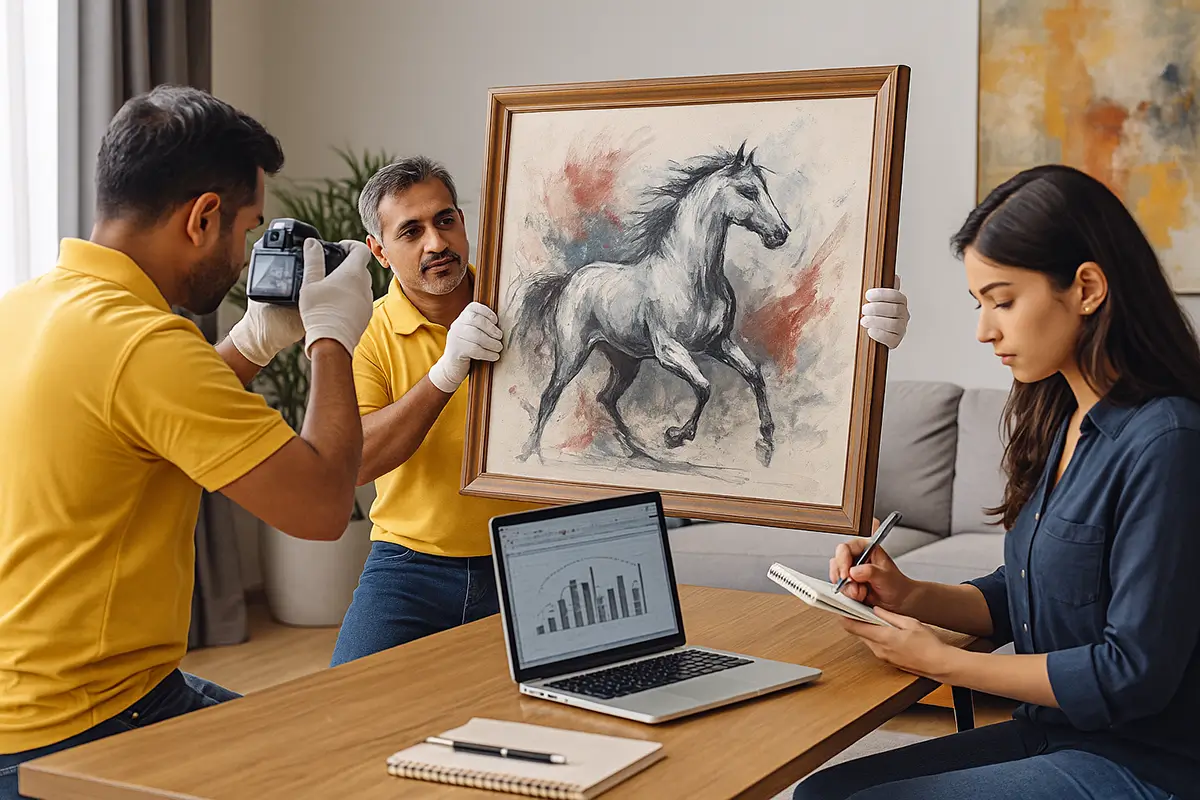
- Reviewing provenance and ownership records
- Updating condition reports where necessary
- Clarifying the purpose of valuation
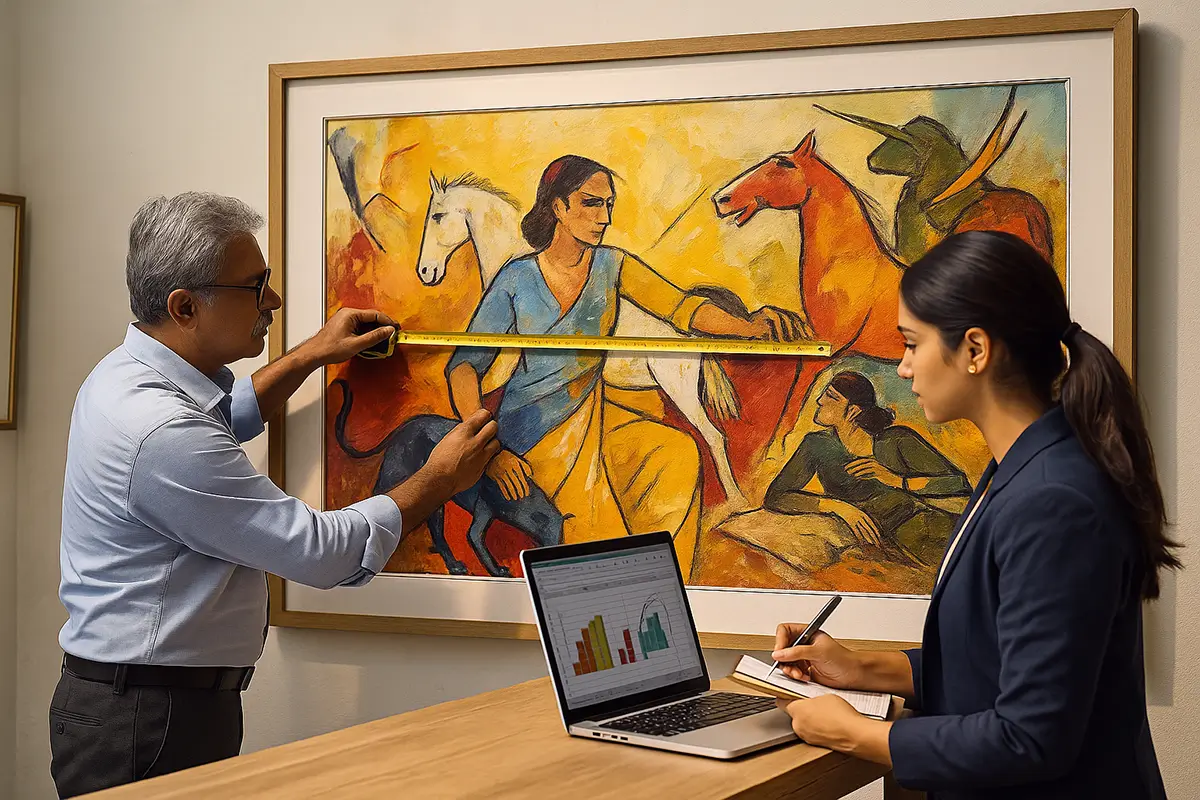
- Engaging experienced valuation professionals early
Valuation should be integrated into broader collection management rather than treated as an isolated task.
Things to Watch Out For
Several factors can undermine valuation credibility if left unaddressed.
- Market hype: Auction headlines and social visibility do not necessarily reflect fair market value.
- Incomplete documentation: Missing provenance or outdated records weaken valuation defensibility.
- Outdated reports: Valuations prepared years earlier may no longer be appropriate for current purposes.
Things to Avoid
Certain practices continue to create unnecessary risk.
These include:
- Choosing valuers based solely on cost
- Accepting one-line or summary valuations
- Mixing valuation with sales or brokerage interests
- Treating valuation as a procedural formality
Avoiding these pitfalls strengthens long-term credibility.
International Best Practices Worth Following
Globally aligned valuation practices emphasise:
- Transparency of methodology
- Independence of valuation
- Periodic reassessment
- Integration with cataloging, conservation, and archiving
Digitisation alone is insufficient without professional context.
Valuation as Long-Term Stewardship
Ultimately, valuation is part of responsible stewardship.
By approaching valuation thoughtfully and proactively, collectors and organisations can ensure that their artworks are protected, documented, and valued appropriately over time.
Conclusion
Preparing for art valuation in 2026 requires foresight rather than reaction. Clear purpose, strong documentation, and professional expertise are central to this readiness.For a comprehensive framework covering valuation trends, risks, and best practices, readers can explore TurmericEarth’s Art Valuation in India: 2025 Review & 2026 Readiness Guide.